Product knowledge popularization
A construction equipment supplier of construction machinery solutions for 30 years. WhatsApp:+86-18968212829
Language
A construction equipment supplier of construction machinery solutions for 30 years. WhatsApp:+86-18968212829
Most mini excavator final drive problems are diagnosed by symptom — noise, leak, heat, loss of drive — without first establishing which of the two mechanically distinct sections inside the unit has failed. The final drive on any machine from 0.8 t to 6 t combines a hydraulic piston motor with a planetary reduction gearbox in a single housing. They share a shaft and a case, but their failure modes, fluid types, and repair implications are entirely separate. Conflating them is the root cause of most unnecessary motor replacements and most premature rebuild failures.
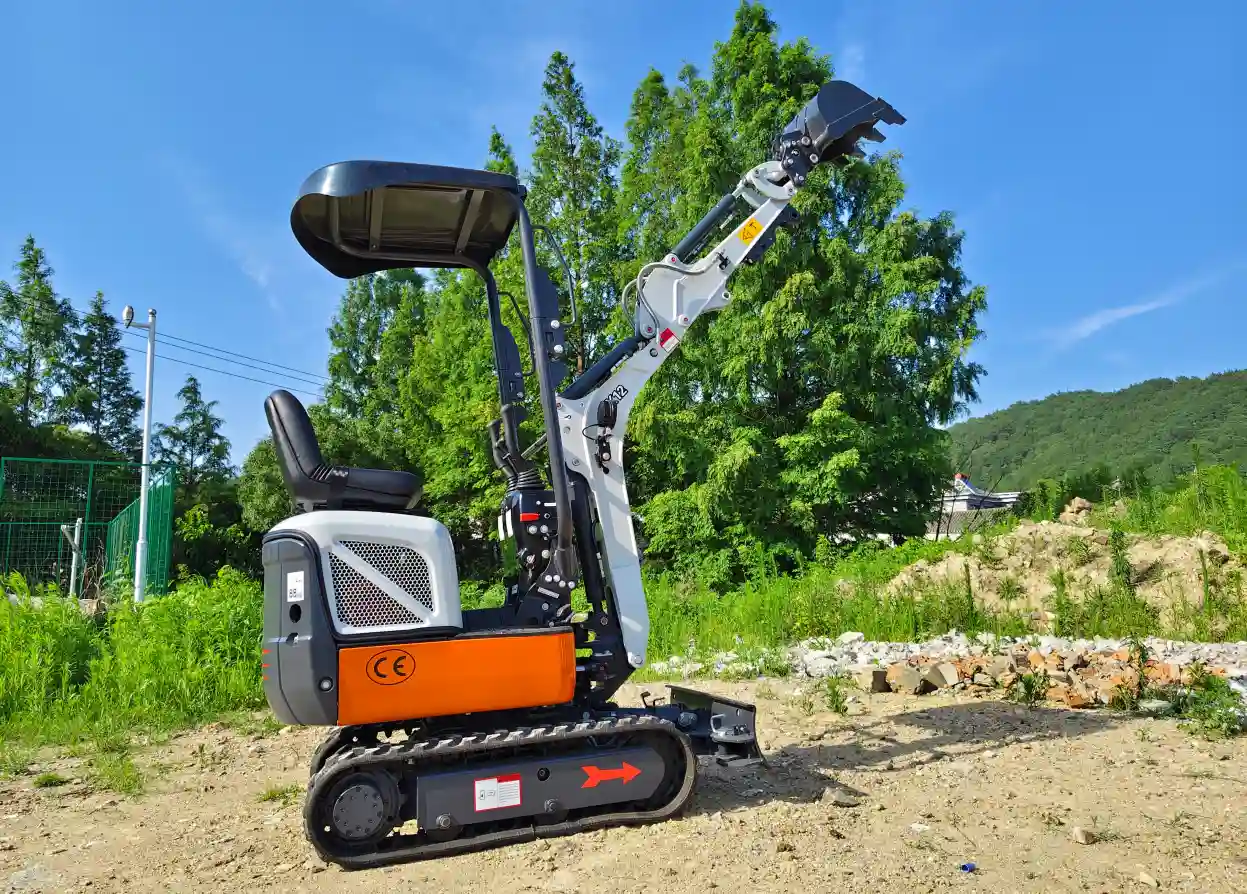
Before any other diagnosis, identify which side of the final drive has produced the symptom. The most reliable field method requires no tools: identify the leaking or failed fluid by viscosity.
Hydraulic Motor Side
Fluid is noticeably thin — similar in body to light machine oil or brake fluid. Leaks appear at hose connections, at the motor shaft seal, or along the case drain port. Faults here: shaft seal failure, port plate wear, barrel/slipper wear, charge pump degradation. Symptom: loss of rotational power, high case drain flow, overheating.
Planetary Gearbox Side
Fluid is viscous and tacky — gear oil. Leaks appear at the sprocket mounting face (duo-cone seal failure) or at the gearbox cover plate. Faults here: failed floating face seal, worn planet gears or carrier bearings, gearbox pressure build-up from motor shaft seal cross-leak. Symptom: oil on tracks, grinding under load, locked drive.
This distinction matters before opening anything. A replacement motor installed into a contaminated gearbox — or a gearbox rebuild without addressing the motor shaft seal that caused pressure ingress — will fail again within hours of return to service.
When the motors internal shaft seal degrades, high-pressure hydraulic fluid bleeds past the seal and enters the planetary gearbox housing. The gearbox has no pressure relief path. As hydraulic fluid accumulates, it displaces the gear oil and pressurises the cavity. The first observable sign is the gearbox cover plate beginning to weep or bulge — a small, steady seep of gear oil under slight pressure from an otherwise intact cover.
If this is not addressed, the cover plate separates under operating pressure. The gear set, planet carrier bearings, and ring gear are then exposed to direct hydraulic pressure, abrasive contamination, and loss of lubrication simultaneously. The result is typically total destruction of the planetary section within one working shift.
Field indicator: If the gearbox cover is seeping gear oil but the motor itself shows no external leak at hose fittings or case drain, the motor shaft seal is the fault source — not the cover gasket. Replace the motor shaft seal and flush the gearbox oil before reassembly. Installing a new cover gasket alone will not solve this.
Asymmetric travel failure — one track running weak or not moving while the other operates normally — is the most common presentation of mini excavator travel motor failure. It is also the most commonly misdiagnosed. Two upstream faults produce identical symptoms while leaving the final drive completely undamaged.
The swivel joint passes hydraulic supply and return to both travel motors through a rotating multi-port body. Internal seal rings separate the flow channels. When one ring wears or scores a groove into the body bore, flow for one motor bleeds across into the adjacent port or into the return line before it reaches the final drive. The affected motor receives reduced pressure and flow; the operator perceives it as motor failure. Fit a pressure gauge at the motor inlet port. If supply pressure at the motor is 30–40 bar below main circuit pressure during a travel stall test, the swivel joint is the fault, not the motor.
Travel motors on machines above 1.5 t use a spring-applied hydraulic-release parking brake integrated into the motor end cap. If the brake release port is restricted — by a blocked pilot line, a failed O-ring in the release valve, or a weak pilot signal — the brake does not fully disengage. The motor attempts to rotate against partial brake engagement. The result: a track that is sluggish, that generates heat at the motor housing disproportionate to work load, and that may bind at low speed while running freely at high speed as hydraulic pressure overcomes the partial braking force.
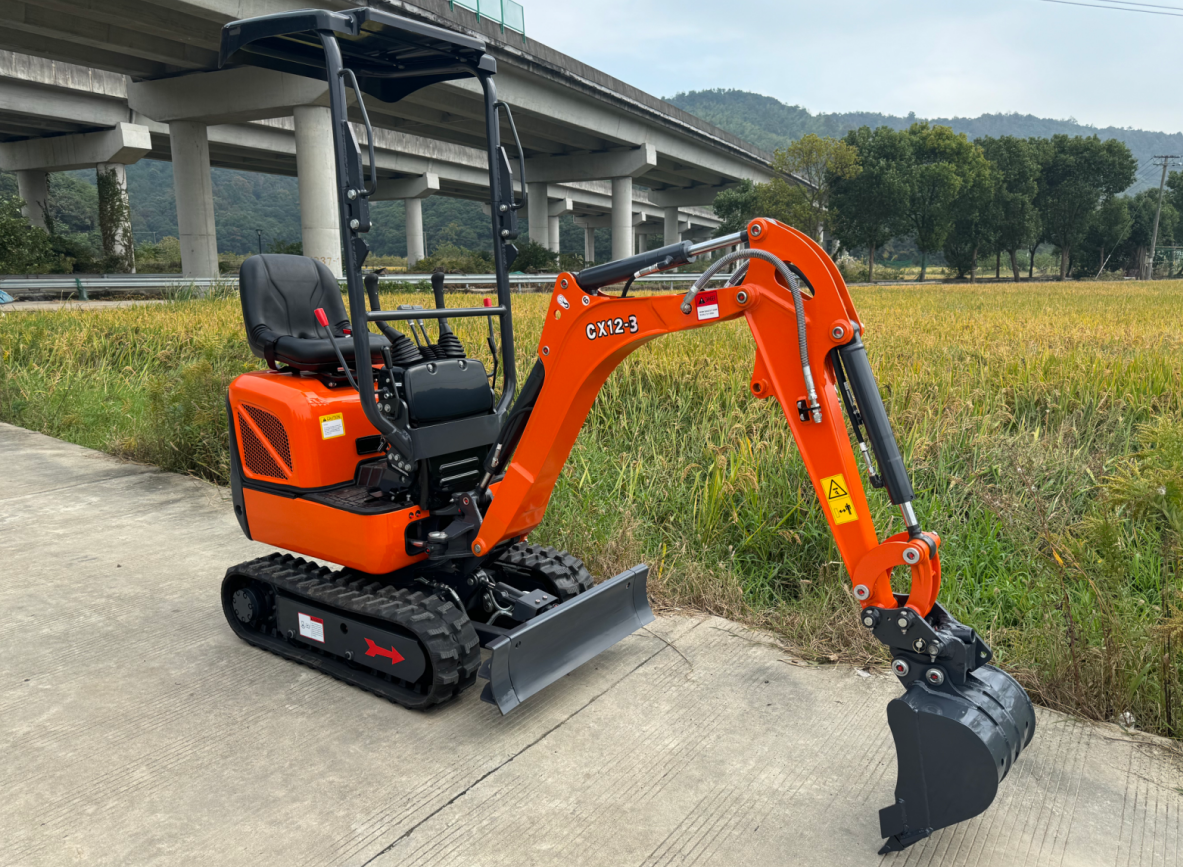
Wiping the final drive housing clean and running the machine for 10 minutes under load — then inspecting with a torch before the oil redistributes — identifies the origin point of most leaks without removal. Three locations account for the majority of cases in the 0.8 t–6 t class:
Sprocket-face leakage is gear oil from a failed duo-cone (floating face) seal. The seal consists of two lapped metal rings pressed against each other by toroidal rubber elements. Seal failure is typically caused by contamination entering between the lapping faces, by rubber element hardening in machines stored without regular operation, or by a misaligned track generating axial load on the seal faces. Replacement requires seal puller tooling and a clean, flat mating surface — installation without confirming flatness of the housing bore face accounts for roughly 30% of premature re-failures.
Cover plate leakage under light pressure indicates either a failed O-ring gasket (common on bolt-on covers after thermal cycling) or gearbox pressure build-up from the motor shaft seal fault described above. The two root causes require entirely different interventions.
Case drain port or hose leakage is hydraulic fluid, not gear oil. This is almost always a fitting or hose clamp failure rather than a motor internal fault — but if case drain pressure is elevated, it may indicate a blocked case drain filter on the return line, which will eventually back-pressure the motor shaft seal into failure.

