Product knowledge popularization
A construction equipment supplier of construction machinery solutions for 30 years. WhatsApp:+86-18968212829
Language
A construction equipment supplier of construction machinery solutions for 30 years. WhatsApp:+86-18968212829
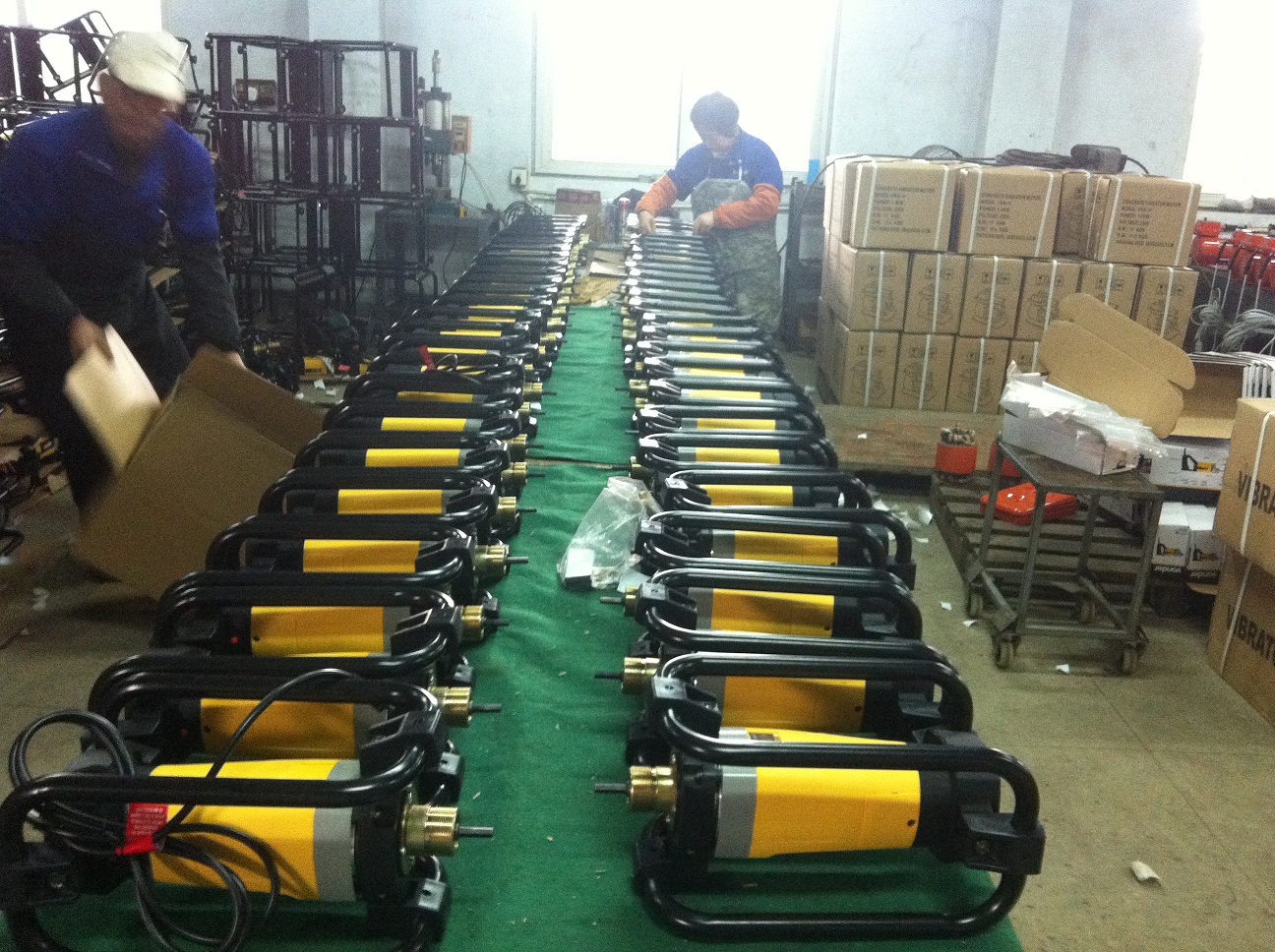
A gasoline concrete vibrator does not usually fail in a complicated way. Most problems start in one of two places: the engine will not start, or the engine runs but the vibrator head does not deliver enough vibration. The hard part is staying calm when the concrete truck is already there and everyone is looking at the machine like it personally caused the delay.
The cleanest way to troubleshoot it is to follow the power path. Start with fuel, oil and spark. If the engine runs, move to the coupling, concrete vibrator shaft, hose and vibrator head. That order matters because it stops you from replacing parts that were never the problem.
Many portable gasoline concrete vibrators use GX160-class engines. According to Honda GX160 specifications, the GX160 produces 4.8 hp / 3.6 kW at 3,600 rpm, with a 3.1 L fuel tank and 0.58 L oil capacity. Those numbers give you a useful baseline. If the tank is nearly dry, the oil is low, or the engine speed is unstable, the vibrator will not perform correctly no matter how good the shaft or head is.
| Symptom | Check First | Likely Cause |
|---|---|---|
| Engine will not start | Fuel, oil, spark | Closed fuel valve, stale fuel, low oil, dirty spark plug |
| Engine starts then dies | Fuel flow | Blocked vent, dirty carburetor, clogged air filter |
| Engine runs but no vibration | Coupling and shaft | Loose coupling, broken shaft core, jammed head |
| Weak vibration | Shaft, hose, RPM | Low speed, tight hose bend, poor lubrication |
| Hose gets hot | Internal friction | Dry shaft, damaged liner, seized head |
This quick check prevents wasted time. If the engine is not running, do not start blaming the poker head. If the engine runs smoothly but the head is dead, the issue has already moved past fuel and spark.
Start with the simple checks. Make sure the engine switch is on, the fuel valve is open, and there is fresh gasoline in the tank. Honda’s fuel recommendations advise against gasoline with more than 10% ethanol, and fuel can create starting problems in less than 30 days depending on storage conditions. On job sites, old fuel is common because the machine may sit for weeks between pours.
Check the oil level on flat ground. A GX160-type engine holds about 0.58 L of oil, and low-oil protection can stop the engine from starting. This is easy to misread as an ignition fault. Before pulling the starter twenty more times, check the dipstick. The engine may not be broken; it may simply be refusing to work under bad conditions.
Choke position also matters. A cold engine usually needs choke. A warm engine usually does not. If the plug is wet with gasoline, the engine may be flooded. In that case, adding more choke only makes the problem worse.
The spark plug is small, cheap and often guilty. The Honda GX160 owner’s manual specifies a spark plug gap of 0.70-0.80 mm. Use a feeler gauge if possible. “Looks fine” is not a measurement.
Remove the plug and inspect it. A black, dry plug may point to a rich mixture or dirty air filter. A wet plug may mean flooding. A cracked insulator or worn electrode is a clear reason to replace it. When checking spark, keep the plug away from spilled fuel. A concrete vibrator should solve site problems, not create a fire drill.
If the engine fires briefly and stops, look at fuel delivery. Check the tank vent, fuel valve, fuel filter or screen, and carburetor bowl. Old gasoline can leave deposits in the carburetor, especially when the vibrator is stored after a job without draining fuel.
The air filter deserves a look too. Concrete dust is hard on small engines. A clogged filter can make the engine run rich, smoke, lose speed or stall under load. A missing filter is not better; it lets dust go straight where it should not go. If the engine only runs with the choke partly closed, the carburetor jet may be restricted or the fuel mixture may be too lean.
Once the engine runs normally, stop focusing on the carburetor and follow the mechanical drive path. Power leaves the engine through the coupling, enters the flexible shaft, travels through the hose, and finally drives the eccentric mechanism inside the vibrator head.
Oztec gas power units are rated around 12,000 vibrations per minute, and correct head sizing should keep output from dropping below about 10,000 vpm. If the engine sounds normal but the head barely moves, the problem is usually in the coupling, shaft, hose or head.
Check whether the shaft is fully engaged at both ends. A worn square drive, loose coupling or half-locked connector can slip under load. Then inspect the hose. Sharp bends, crushed sections and tight loops increase friction. If the shaft or head needs replacement, compare the worn part with the available concrete vibrator shaft products before ordering.
Weak vibration means energy is being lost before it reaches the concrete. ACI 309R guidance for concrete consolidation lists common internal vibrator heads in the 50-90 mm range at about 8,000-12,000 vpm, with a typical radius of influence around 175-350 mm. If the concrete is not consolidating well, do not immediately blame the mix. Check engine speed, shaft friction, head wear and hose condition first.
If the problem is not only mechanical but also related to jobsite operation, review the concrete vibrator spacing and vibration time guide. Poor spacing, short vibration time or fast withdrawal can make a good machine look weak.
A hot hose is not normal. It usually means friction inside the shaft system. The shaft may be dry, over-greased, kinked or damaged. Multiquip maintenance guidance lists flex-shaft lubrication at 100 hours and vibrator-head lubrication at 300 hours. That gives maintenance a real schedule instead of the classic job-site rule of “we’ll check it when it breaks.”
The vibrator head works in cement paste, water, aggregate and tight rebar cages. It has a rough life. Dried concrete, damaged seals, worn bearings or a jammed eccentric mechanism can all cause weak vibration, noise, heat or complete failure.
Clean the head after use and avoid running it in air for long periods. The head is made to work inside fresh concrete, where vibration energy transfers into the mix. If the head rattles, grinds, overheats or only starts after being tapped, take it out of service and inspect it. For head size reference, the 50mm concrete vibrator needle page is a useful related product example.
Before concrete arrives, start the engine and test the vibrator. Check fuel, oil, air filter, spark plug, coupling lock, hose condition and head cleanliness. Keep the shaft as straight as the job allows, and avoid dragging the hose over sharp rebar or form edges.
If the operator is unsure whether the issue is machine performance or vibration method, the guide on how to vibrate concrete is the better next read. It connects machine use with concrete quality, which is exactly where many site mistakes happen.
Good troubleshooting is about finding where power stops. If the gasoline concrete vibrator will not start, check fuel, oil, choke and spark. If the engine runs but there is no vibration, check the coupling, flexible shaft, hose and vibrator head. If vibration is weak, compare the machine with normal internal vibrator ranges such as 8,000-12,000 vpm and inspect for friction, wear or poor lubrication.
Keep the fuel fresh, the spark plug clean, the shaft lubricated and the hose out of sharp bends. If the old unit is undersized or worn beyond repair, use the concrete vibrator buying guide to compare head size, power source, shaft length and jobsite conditions before choosing the next model.

