A construction equipment supplier of construction machinery solutions for 30 years. WhatsApp:+86-18968212829
Language
A construction equipment supplier of construction machinery solutions for 30 years. WhatsApp:+86-18968212829
Concrete should usually be vibrated for 5-15 seconds per insertion, with each insertion spaced about 1.5 times the vibrator head’s visible radius of action. Insert the poker vertically, let it penetrate the previous layer by 2-4 inches, and withdraw it slowly when large air bubbles stop rising and the surface becomes glossy. The goal is not to “shake harder,” but to remove trapped air without separating aggregate from paste.
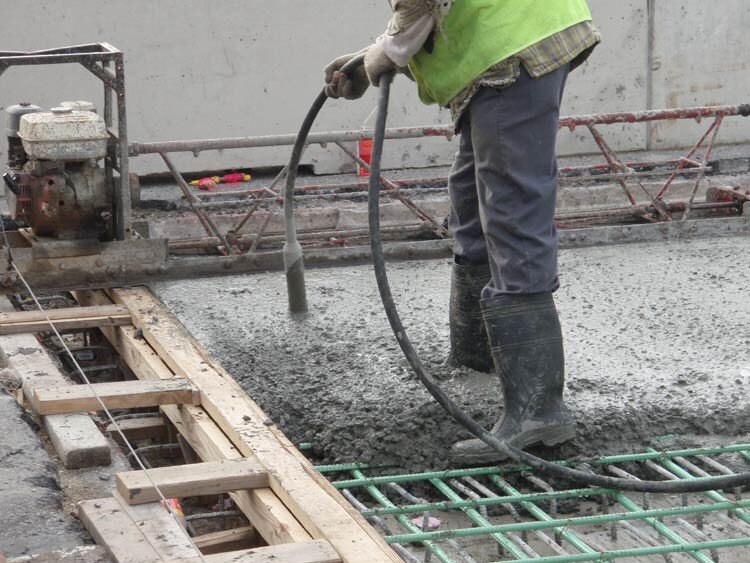
The main purpose of concrete vibration is to remove entrapped air and allow the mix to consolidate around reinforcement and within formwork. Without adequate vibration, concrete can suffer from honeycombing, weak bonding, and surface imperfections. Professional-grade equipment such as handheld concrete vibrators or form-mounted external vibrators plays a key role in this process.
Internal vibration of concrete involves inserting a vibrating head (often called a poker or needle) directly into freshly poured concrete. This type is most suitable for slabs, beams, and columns. The frequency and amplitude of vibration are vital — typically, the concrete vibration frequency ranges between 8,000 and 12,000 vibrations per minute, ensuring that the concrete consolidates without segregating.
External vibration of concrete applies vibration from outside the formwork, ideal for thin or heavily reinforced structures where internal insertion is not possible. It uses form-mounted motors that transmit vibration through the mold. This technique is especially useful in precast concrete plants or large formwork applications where uniform compaction is needed.
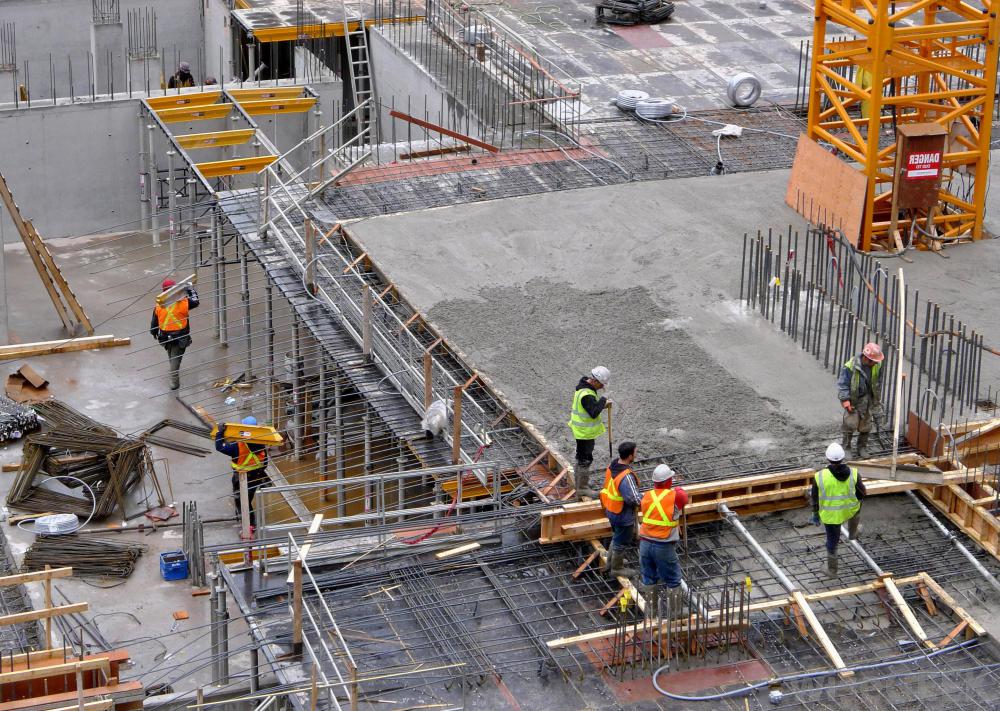
The handheld concrete vibrator is one of the most versatile tools on construction sites. It’s lightweight, easy to maneuver, and ideal for small- to medium-scale concrete pours. Its portability allows workers to target difficult areas, ensuring no voids remain. When powered by electric or battery sources, it’s efficient and convenient for modern construction needs.
Used primarily in precast applications, external vibrators are attached to the formwork. They operate at specific concrete vibration frequencies to ensure even consolidation throughout the mold. Their effectiveness depends on correct placement and timing — consistent vibration helps achieve dense, uniform concrete.
Surface vibrators are commonly used for slabs and floors, while table vibrators are ideal for producing uniform precast elements. Both types are designed to meet concrete vibration requirements for achieving smooth finishes and high compaction efficiency.
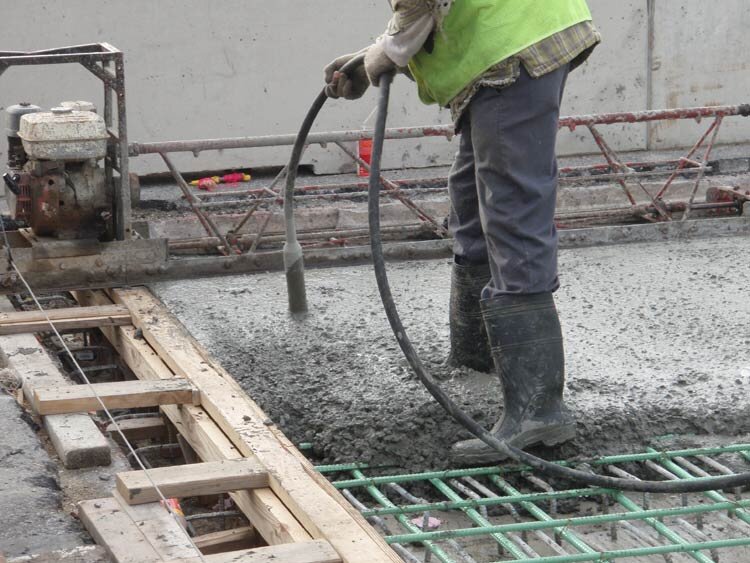
Select a vibrator based on the project’s size, structure type, and concrete volume. For thick slabs or large pours, internal vibrators are ideal. For thin or reinforced structures, external ones work best. Choosing equipment from a reliable concrete vibrator manufacturer ensures consistent performance and durability.
Insert the vibrator vertically into the concrete and withdraw it slowly. Avoid dragging it horizontally, as this can cause segregation. Each insertion should overlap the previous vibration zone to ensure full compaction.
Excessive vibration can lead to segregation, while too little can leave air pockets. Typically, 5–15 seconds per insertion is adequate, depending on the concrete vibration frequency and mix consistency.
Overlap each insertion area by about 50% to prevent unvibrated pockets. Pay special attention to corners, rebar intersections, and areas near formwork edges.
Vibration compacts the mix by eliminating air voids, producing denser and stronger concrete. This enhances load-bearing capacity and extends the structure’s lifespan.
Proper vibration allows the concrete to settle evenly and removes surface imperfections. This ensures a smooth, visually appealing finish suitable for exposed surfaces and decorative applications.
Well-vibrated concrete flows easily around rebar, ensuring complete encapsulation. This improves bonding, significantly increasing the structure’s tensile strength and resistance to cracking.
Without vibration, concrete may form honeycombing — areas of poor compaction that act as structural weaknesses. Consistent vibration prevents this, ensuring solid and reliable results.
Dense, well-compacted concrete is less permeable, making it more resistant to moisture, chemicals, and freeze-thaw damage. This is crucial for foundations, bridges, and marine structures.
When selecting a vibrator, consider power source, portability, and the specific concrete vibration requirements of your project. Leading concrete vibrator manufacturers like Ningbo ACE Machinery Co., Ltd. provide a wide range of reliable models, including electric, petrol, and battery-powered handheld concrete vibrators suited for diverse applications.
Vibration frequency and amplitude
Size and depth of the pour
Ease of maintenance and operator comfort
Durability and brand reputation
Yes. Over-vibration can cause segregation where heavier aggregates settle at the bottom and cement paste rises to the top. This weakens the structure’s consistency and reduces strength. Always follow proper concrete vibration frequency and duration guidelines.
Absolutely. Vibration significantly increases concrete strength by eliminating air voids, ensuring better particle packing, and improving bonding with reinforcement. This results in superior structural integrity and durability.
A vibrating screed can be made by attaching a small vibration motor or handheld concrete vibrator to a flat aluminum or steel beam. The device levels and compacts the surface simultaneously, producing a smooth and dense concrete finish ideal for slabs and pavements.
Concrete vibration is more than a routine step—it’s a science that directly affects the strength, durability, and finish of your construction project. Whether through internal vibration of concrete or external vibration of concrete, proper technique ensures long-lasting performance. Partnering with a trusted concrete vibrator manufacturer like Ningbo ACE Machinery Co., Ltd. guarantees reliable, high-frequency vibration tools that meet professional concrete vibration requirements. Mastering this process leads to safer, stronger, and more resilient concrete structures that stand the test of time.

