Product knowledge popularization
A construction equipment supplier of construction machinery solutions for 30 years. WhatsApp:+86-18968212829
Language
A construction equipment supplier of construction machinery solutions for 30 years. WhatsApp:+86-18968212829
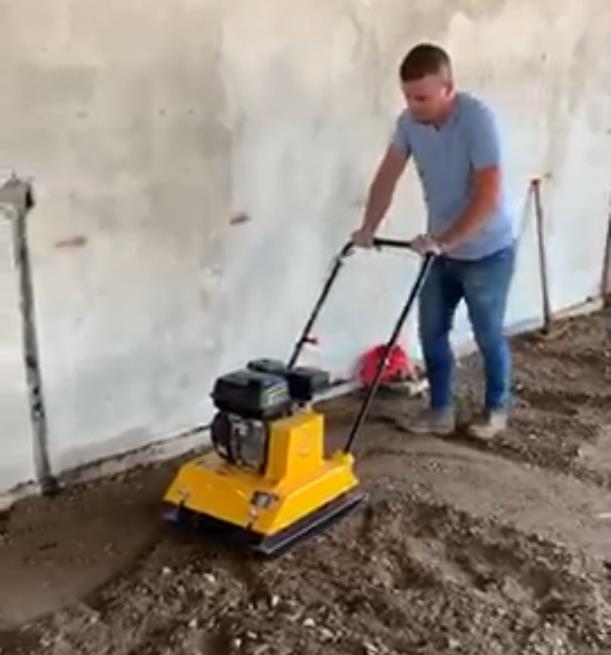
A plate compactor that refuses to start can stop a small paving job, delay a trench backfill, or annoy an entire rental customer before breakfast. The good news is that most starting problems are not mysterious. They usually come from fuel supply, spark ignition, engine oil protection, carburettor blockage, loose wiring, or simple maintenance items that have been ignored for too long.
This practical guide explains how to check a plate compactor that will not start, what each symptom usually means, and when a part may need cleaning or replacement. It is written for contractors, operators, dealers, rental fleet teams and maintenance staff who need a logical fault-finding process rather than a dramatic debate with a silent engine.
Before starting, place the machine on stable ground, switch it off, allow hot parts to cool, and wear gloves and eye protection. If the machine has just finished working on asphalt, soil or gravel, clean away loose debris first. Dirt around the engine is not just untidy; it can hide leaks, loose bolts and damaged cables.
Many starting failures happen before there is any real mechanical fault. A petrol or diesel plate compactor needs the right starting conditions: enough fuel, correct oil level, an open fuel valve, a suitable choke position, a working engine switch and a throttle setting that allows the engine to fire. If one of these is wrong, even a healthy machine can behave as if it has a serious problem.
Check the fuel tank first. Old fuel, water-contaminated fuel or a nearly empty tank can all prevent starting. If the machine has been stored for weeks, drain the questionable fuel and refill it with clean fuel suitable for the engine type. Then check that the fuel valve is open. It sounds too simple, but closed fuel valves have probably caused more unnecessary workshop conversations than many expensive spare parts.
Next, check the engine switch and throttle. Some operators open the throttle on the handle but forget the lower engine-side switch or fuel control. On machines used by several crews, handle positions may also be changed during transport. A quick visual check can save time before you start removing parts.
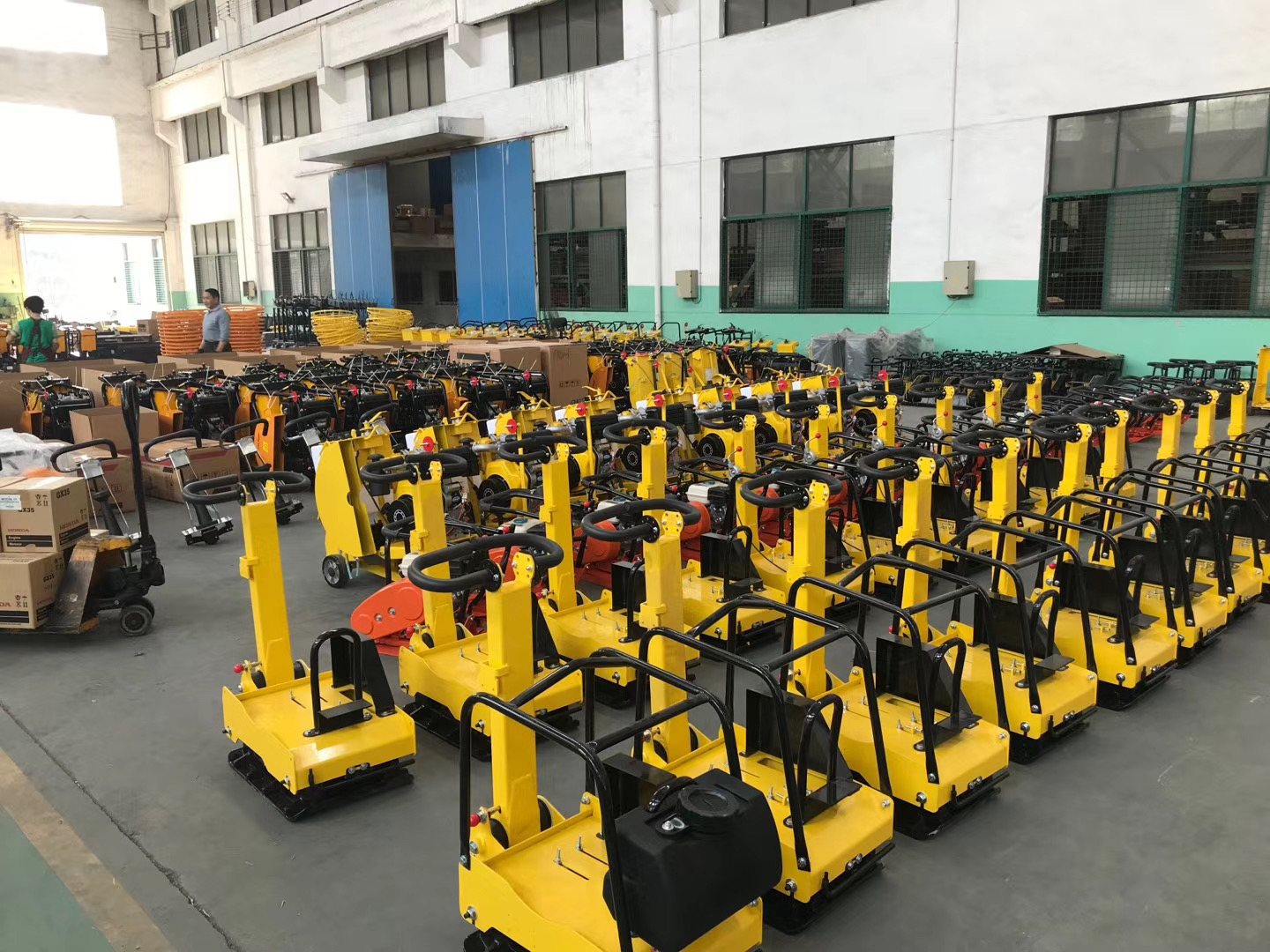
Many modern plate compactors use an engine oil protection system. If the oil level is too low, the system may stop the engine from starting or shut it down shortly after it fires. This feature protects the engine from serious damage, but it can also confuse operators who expect the machine to start normally.
Place the machine on level ground and check the oil level according to the engine instructions. Do not check oil while the machine is tilted on a pile of gravel or half-loaded into a vehicle. If the oil is below the required level, refill it with the recommended oil grade. After refilling, wait a moment for the oil to settle, then try starting again.
If the oil level is correct but the engine still does not start, inspect the oil protection wiring. A loose connector, damaged cable or contaminated sensor connection can interrupt the ignition circuit. For rental fleets, this check is especially useful because machines are often transported, lifted, pulled and occasionally treated with a level of affection normally reserved for wheelbarrows.
If the machine has enough fuel but still will not start, the next step is to confirm whether fuel is actually reaching the carburettor or injection system. A plate compactor works in dusty, vibrating conditions, so fuel lines, filters and valves can become blocked or restricted over time.
Look at the fuel hose for cracks, sharp bends, leaks or disconnection. If the hose looks damaged, replace it rather than trying to repair it temporarily with tape. A fuel leak near a hot engine is not a maintenance shortcut; it is an invitation to a much larger problem.
If the fuel line is clear, check the fuel filter if fitted. A blocked filter can allow a small amount of fuel through, enough to wet the system but not enough to start the engine reliably. This often causes intermittent starting: the engine may start once, stop quickly, and then refuse to start again.
For petrol plate compactors, the carburettor is a common source of starting trouble. Dust, old fuel residue or gum deposits can block small passages inside the carburettor. When this happens, fuel may not atomise correctly, and the engine cannot get the right fuel-air mixture. Cleaning the carburettor carefully or replacing a badly blocked unit often solves the problem.
If fuel is available, move to the ignition system. The spark plug is one of the most common reasons a plate compactor won’t start. A dirty, wet, cracked or worn spark plug may prevent ignition even when fuel supply is normal.
Remove the spark plug and inspect it. If the tip is black and oily, the engine may be running too rich or the plug may be fouled from repeated failed starting attempts. If it is dry and pale, fuel may not be entering the combustion chamber. If the ceramic body is cracked or the electrode is badly worn, replace the plug.
Clean light carbon deposits with an appropriate tool and check the electrode gap according to the engine specification. Refit the plug securely, but do not overtighten it. A loose spark plug can cause weak compression and poor ignition; an overtightened one can damage the threads. Both outcomes are unpopular in the workshop.
If a new or cleaned spark plug still does not produce a strong spark, check the high-voltage lead, ignition coil and flywheel magnet system. A damaged lead, loose cap or faulty ignition coil can stop the spark from reaching the plug. On machines that vibrate heavily, wiring and connectors should always be part of the diagnosis.
A plate compactor works close to the ground, often in dust, sand and fine aggregate. The air filter protects the engine from abrasive particles, but when it becomes clogged, the engine may struggle to start or run roughly after starting.
Remove the air filter cover and check the filter element. If it is packed with dust, clean or replace it according to the engine instructions. In dry, dusty conditions, air filter service should be more frequent than in clean environments. Dealers and rental companies should treat spare air filters as basic consumables, not emergency items.
The choke position also matters. For a cold engine, the choke normally needs to be closed or partially closed to enrich the mixture. For a warm engine, too much choke can flood the engine. If you smell fuel strongly after repeated starting attempts, open the choke, wait briefly, and try again without over-pulling the starter. Flooding the engine with fuel is easy; persuading it to forgive you takes longer.
A blocked carburettor is especially common when a machine has been stored with fuel inside. As fuel ages, it can leave deposits that block jets and internal passages. The engine may crank normally but fail to start because the fuel cannot atomise properly.
Typical signs of a carburettor issue include difficult starting, starting only with choke, unstable idle, sudden stopping after a few seconds, or poor throttle response. If the machine starts only when fuel is manually primed or sprayed into the intake area, the carburettor or fuel passage should be checked.
Cleaning the carburettor requires care. Remove the bowl, clean the jets, inspect the float and check for dirt or water inside. Use suitable carburettor cleaner and compressed air where appropriate. Do not force wire into precision jets unless you know exactly what you are doing, because enlarging the jet can create a new problem after solving the old one.
For rental fleets, regular fuel draining before storage can reduce carburettor problems. It is also useful to train customers to avoid leaving machines unused with old fuel inside. A small fuel habit can prevent a surprisingly large repair bill.
If the starter rope will not pull smoothly, the issue may not be fuel or ignition. A jammed recoil starter, damaged starter pawl, tangled rope or internal engine problem can prevent normal cranking. First, check whether the recoil mechanism moves freely. If the rope feels rough, does not retract or slips without turning the engine, inspect the recoil assembly.
If the recoil works but the engine feels unusually easy to pull, there may be a compression issue. Low compression can come from worn piston rings, valve problems, cylinder wear or an incorrectly seated spark plug. This is less common than fuel or spark trouble, but it should be considered if all simple checks fail.
If the starter rope is extremely hard to pull, stop forcing it. Check whether the compactor mechanism is jammed, whether debris is trapped around moving parts, or whether the engine has internal damage. Pulling harder may only convert a repairable fault into a more expensive one.
Sometimes the plate compactor starts, runs for a few seconds and then stops. This symptom usually points to fuel restriction, low oil protection, air filter blockage or carburettor contamination. Begin by checking the oil level again, because the engine may start briefly before the low oil system cuts ignition.
Then check whether fuel flows consistently. A partially blocked fuel cap vent can also cause stopping after a short period. If air cannot enter the tank to replace used fuel, fuel flow may slow down and the engine may stall. Open the cap carefully and listen for pressure release. If the machine runs better with the cap loosened, inspect the fuel cap vent.
For machines used on asphalt, make sure the machine has been cleaned after use. Sticky asphalt residue, dust and heat can create harsh conditions around controls, belts and engine parts. A forward plate compactor with a water tank is useful for asphalt work because water helps reduce sticking between the hot asphalt and the base plate. ACE forward plate compactor models with water tank and rubber mat options can be viewed in the compactor machinery range.
This problem is different from a starting failure, but operators often describe it as “not working”. If the engine runs but the plate does not vibrate, inspect the drive belt, clutch, exciter and mounting bolts. A loose or broken belt can prevent power from reaching the exciter. A slipping clutch may also stop vibration under load.
Switch off the engine before checking the belt area. Remove the belt cover only when the machine is safe to inspect. Look for belt wear, cracking, contamination or incorrect tension. A sealed belt cover helps protect the belt from sand and soil, which is useful on construction sites where abrasive material is everywhere. For heavier site use, the C-120 plate compactor is one example of a model range that highlights a sealed belt cover and a robust construction approach.
Also check the bolts around the engine base, handle, shock mounts and exciter housing. If bolts loosen, the machine may vibrate poorly, sound abnormal or feel unstable. Loose bolts should be tightened before the machine is returned to work. On a rental machine, bolt inspection should be part of every return check.
A machine can start normally and still deliver poor compaction. In this case, the issue may be loose bolts, worn shock mounts, incorrect soil moisture, unsuitable material, a damaged base plate or poor operating technique.
Soil moisture is especially important. If the ground is too wet, the plate may bounce, sink or move poorly. If the material is too dry, particles may not bind or settle efficiently. Granular materials such as sand, gravel and grit are generally suitable for plate compaction, while cohesive clay may need a different approach or equipment choice depending on site conditions.
Machine size also matters. A small forward plate compactor is easy to transport and useful in tight areas, while a larger reversible plate compactor can provide stronger performance for trenches, road repair and heavier base preparation. For light jobs, the C-60 forward plate compactor is a compact option for contractors who need easy handling. For heavier reversible work, the C-160 reversible plate compactor is more relevant for sand, gravel, mixed soils and work near foundations, walls and abutments.
When a plate compactor won’t start, use a fixed checking order. This avoids random part replacement and helps workshop teams record faults more clearly.
Check safety and position. Put the machine on level ground, clear debris and confirm that all controls are accessible.
Check fuel. Confirm fuel level, fuel quality, fuel valve position and fuel line condition.
Check engine oil. Confirm the correct oil level and inspect low oil protection wiring if fitted.
Check switches and throttle. Make sure the engine switch, handle throttle and choke are correctly positioned.
Check the spark plug. Remove, inspect, clean or replace it, then confirm a strong spark.
Check the air filter. Clean or replace a clogged filter, especially after dusty work.
Check the carburettor. Look for blocked jets, old fuel residue, poor atomisation or water contamination.
Check wiring. Inspect ignition leads, connectors, kill switch wiring and oil sensor wiring.
Check starter and compression. Inspect recoil assembly and engine compression if all basic checks fail.
Test under control. Start the engine, listen for abnormal noise, and check vibration before returning to work.
This sequence helps separate simple operator errors from real mechanical faults. It also makes communication easier between site teams, rental counters and service technicians.
The best repair is often the one you never need to do. Regular maintenance keeps a plate compactor easier to start and more reliable on site. After each job, clean mud, dust, asphalt residue and loose aggregate from the machine. Pay attention to the base plate, engine area, belt cover and handle assembly.
Before operation, check engine oil, fuel, visible bolts, belt condition and the air filter. After operation, clean the machine and inspect for loose screws or damaged parts. In dusty work, clean the air filter more often. If the machine is used heavily, keep common spare parts such as spark plugs, air filters, belts and anti-loosening bolts available.
For asphalt work, open the water tank valve when required and make sure there is enough water. A dry plate on hot asphalt can stick, drag and leave a poor surface finish. For paving blocks, use a rubber mat or paving pad to reduce the risk of surface damage. These small accessories can make the difference between a neat finish and an awkward customer phone call.
For dealers and rental businesses, a plate compactor that fails at the customer’s site creates more than a technical issue. It creates transport costs, lost working time and damage to confidence. A short pre-delivery inspection can prevent many complaints.
Before delivery, start the machine from cold, let it warm up, check throttle response and confirm vibration. Inspect the fuel system, spark plug condition, air filter, oil level, bolts, belt cover, base plate and water tank if fitted. If the machine has just returned from rental, ask where it was used: asphalt, gravel, sand, wet soil and paving blocks leave different clues.
It is also useful to guide customers towards the correct machine type. A forward plate compactor may be suitable for smaller paving, landscaping and general granular compaction work. A reversible plate compactor is often more suitable where stronger compaction, reverse travel or trench work is required. Matching the machine to the application reduces misuse, and misuse is a very enthusiastic creator of maintenance problems.
Cleaning is useful, but some parts should not be cleaned forever. Replace the spark plug if it is cracked, badly worn or repeatedly fouled. Replace the air filter if it is torn, oil-soaked or clogged beyond proper cleaning. Replace fuel lines that are cracked, hardened or leaking. Replace the belt if it is glazed, split, slipping or stretched beyond adjustment.
Shock mounts and bolts deserve attention too. Heavy-duty shock mounts reduce vibration transferred to the engine and handle, improving operator comfort and helping protect machine components. If mounts are cracked or bolts repeatedly loosen, do not ignore them. Vibration problems rarely repair themselves; they normally invite friends.
If the carburettor remains unreliable after cleaning, replacement may be more economical, especially for rental fleets where downtime is costly. The same logic applies to damaged recoil starters and suspect ignition components. A cheap temporary fix is not cheap if the machine returns to the workshop twice in one week.
When a plate compactor won’t start, resist the temptation to replace parts randomly. Start with fuel, oil, switches and spark. Then check air supply, carburettor condition, wiring, starter mechanism and compression. Most faults can be found quickly when the inspection follows a logical order.
For contractors, this means less downtime on site. For rental companies, it means fewer repeated service calls. For dealers, it means better customer support and clearer spare parts advice. A plate compactor is a tough machine, but it still needs clean fuel, proper oil, reliable ignition and basic maintenance. Treat those basics seriously, and the engine is far more likely to answer on the first few pulls.
The most common causes are old fuel, a blocked carburettor, a dirty spark plug, low oil protection or a clogged air filter. Drain old fuel, check oil level, inspect the spark plug and clean the carburettor if fuel residue is suspected.
This usually points to restricted fuel flow, low oil shutdown, a blocked air filter, carburettor contamination or a fuel cap vent problem. Check whether fuel flows continuously and confirm that the oil level is correct on level ground.
Yes. A heavily clogged air filter can restrict airflow and make the fuel-air mixture too rich. The engine may be difficult to start, smoke, run roughly or stop soon after starting.
Remove the spark plug and inspect the electrode. A wet, black, cracked or worn plug can prevent ignition. Clean or replace it, check the gap, and confirm that the ignition lead fits securely.
The likely causes include a loose or broken drive belt, slipping clutch, damaged exciter, loose bolts or worn shock mounts. Stop the engine before inspecting the belt and moving parts.
Yes, when the machine is equipped with a water tank and the site requires it. Water helps reduce sticking between the hot asphalt and the base plate, improving movement and surface finish.
If you are selecting a plate compactor for asphalt, paving blocks, gravel or general site compaction, share your working material, area size and preferred engine type so the ACE team can suggest a suitable model.
For rental fleets and dealers, it is useful to confirm expected daily working hours, transport method and common spare parts demand before choosing a forward or reversible plate compactor.
If your current machine often fails to start or loses vibration, provide the model, engine type, working surface and fault symptoms to receive more accurate maintenance and replacement part advice.

