Product knowledge popularization
A construction equipment supplier of construction machinery solutions for 30 years. WhatsApp:+86-18968212829
Language
A construction equipment supplier of construction machinery solutions for 30 years. WhatsApp:+86-18968212829
Picture this: your mini excavator was happily digging trenches all morning. Then suddenly the bucket meets resistance and behaves like a sleepy spoon in cold butter. The engine sounds normal, the joysticks move, but the digging force seems to have gone on holiday.
If you have ever asked yourself why mini excavators lose digging power, the answer usually sits somewhere inside the hydraulic system rather than the bucket or linkage. Mini excavators rely on hydraulic pressure to turn engine energy into real digging force. When pressure drops, power disappears.
This guide breaks the problem down in simple engineering logic: how digging force is generated, what components normally fail first, and how technicians diagnose the issue without replacing half the machine out of frustration.
Before chasing faults, it helps to understand where digging force comes from. Surprisingly, it has little to do with the bucket teeth and everything to do with oil pressure.
Inside a compact excavator, digging force follows a straightforward chain:
engine → hydraulic pump → pressurised oil → control valve → cylinders → bucket force
If everything works correctly, hydraulic oil pushes the boom, arm and bucket cylinders with enormous force. Even a small excavator can generate several tonnes of breakout force.
Three engineering variables determine how strong that force becomes:
hydraulic pressure
hydraulic flow rate
cylinder sealing efficiency
When any of these three drops, digging strength drops with it.
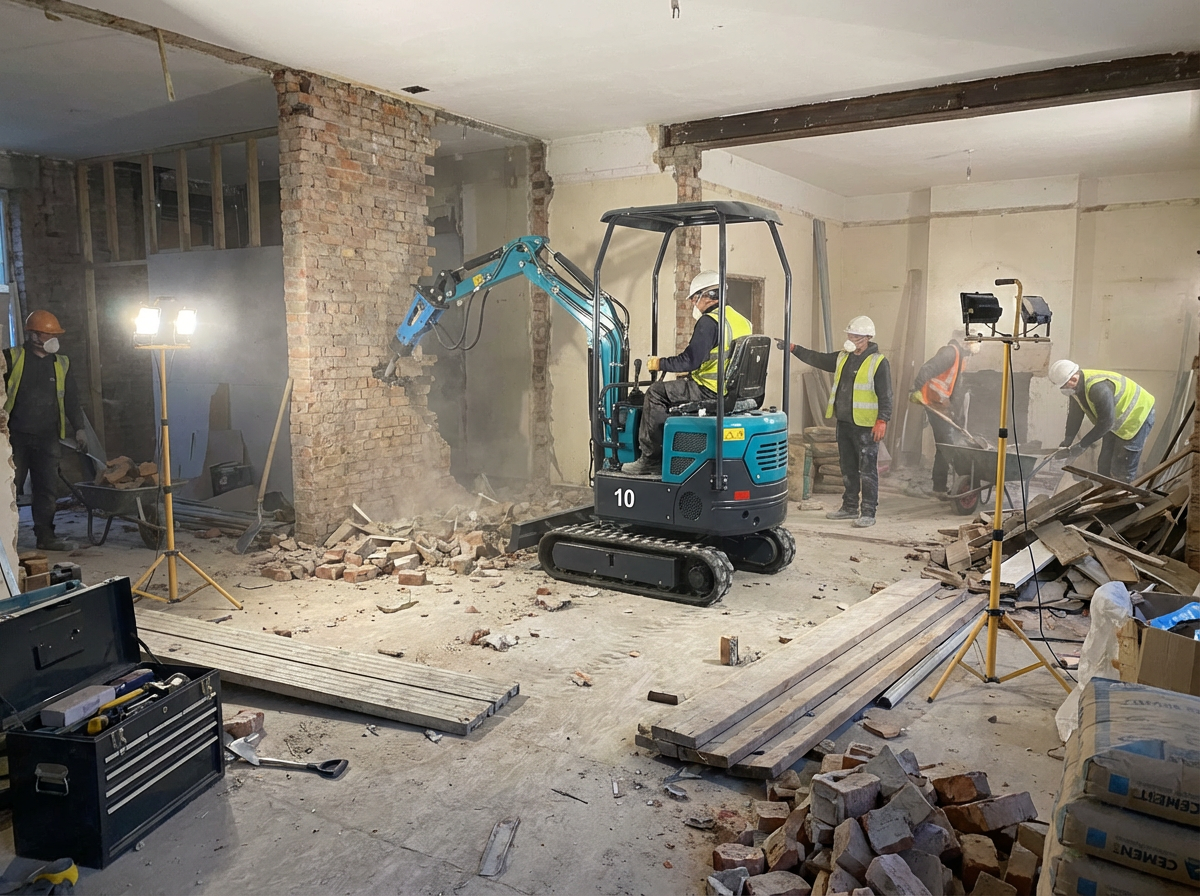
The hydraulic pump works like the heart of the machine. It circulates pressurised oil to every working component.
After thousands of operating hours, internal parts begin to wear. Pistons, valve plates and bearings gradually lose their tight tolerances. When this happens, oil leaks internally inside the pump instead of travelling to the cylinders.
The result feels like this:
the boom lifts slowly under load
the bucket struggles to penetrate firm soil
multiple functions at once become sluggish
A technician normally confirms pump wear by connecting a pressure gauge to the hydraulic test port. If pressure cannot reach the specified level, the pump may be the culprit.
In simple terms, the pump is still spinning, but the oil is taking shortcuts internally instead of doing useful work.
Every hydraulic system includes a pressure relief valve. Its job is to prevent excessive pressure that might damage components.
However, if that valve opens too early, it behaves like a pressure escape hatch.
Imagine trying to inflate a tyre while someone quietly opens the valve at the same time. The air pump keeps working, but pressure never builds.
When this happens in an excavator, operators usually notice:
weak digging force across all functions
the machine stalls before reaching full bucket penetration
hydraulic oil temperature increases during work
A pressure gauge test quickly reveals the problem. If system pressure remains lower than specification even under heavy load, the relief valve deserves attention.
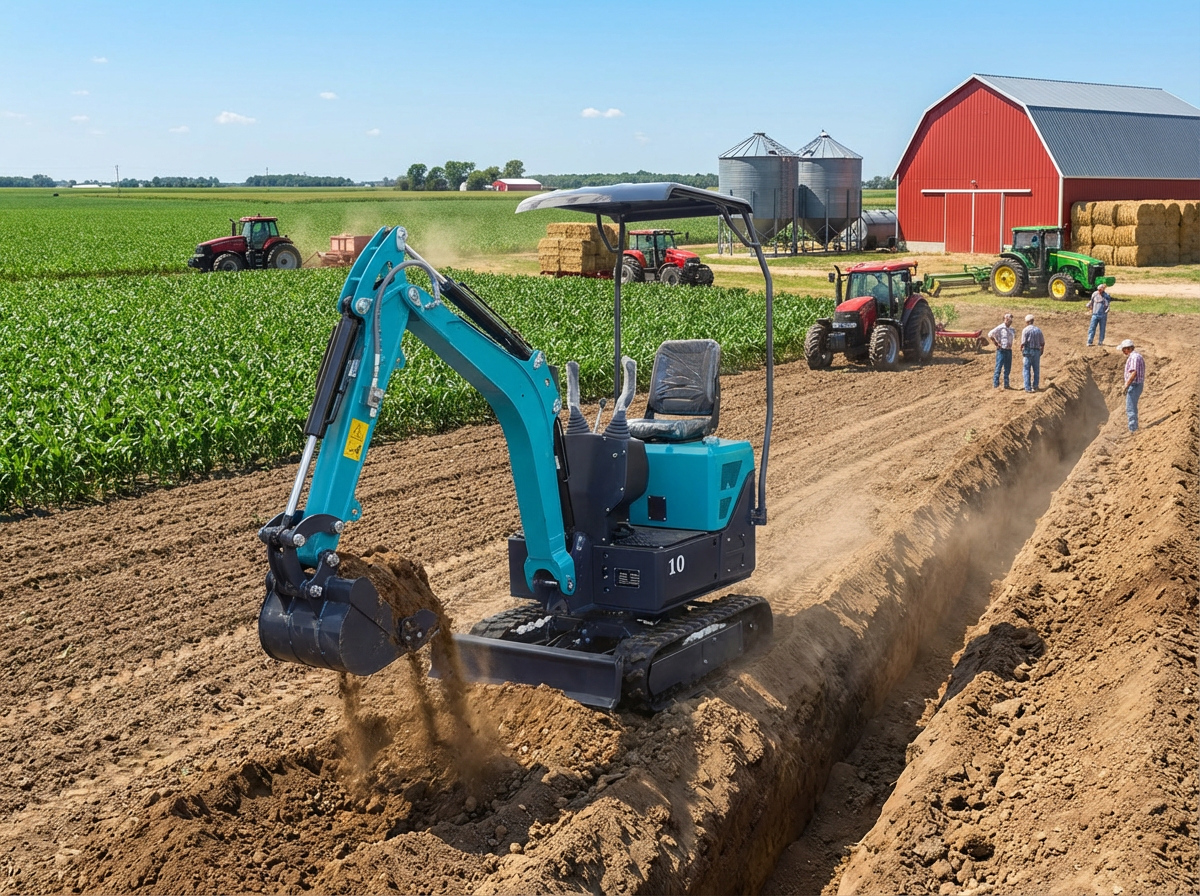
Hydraulic cylinders generate the actual digging force. Inside each cylinder sits a piston with sealing rings that separate the high-pressure side from the low-pressure side.
Over time those seals wear out. When that happens, oil slips past the piston instead of pushing it forward.
From the operator's seat, this usually appears as:
the boom slowly sinking while holding a load
the bucket curling back when pushing soil
reduced digging power despite normal engine speed
Technicians perform a simple test: hold the control lever steady and observe whether the cylinder drifts. If it moves when it should stay still, internal leakage is likely occurring.
Think of it as a hydraulic shortcut: the oil takes the easy path instead of doing work.
Yes. Hydraulic oil is more than just fluid; it is the medium that carries energy through the entire system.
When contamination enters the system, several things begin to happen:
valves become sticky
pump components wear faster
internal leakage increases
Contamination usually arrives in three forms:
dust entering through damaged seals
metal particles created by component wear
water from condensation
Once contamination circulates through the system, performance slowly declines. The excavator may still operate, but digging power gradually fades.
Routine oil analysis helps technicians detect these problems long before the machine becomes noticeably weak.
Hydraulic systems work best when filled entirely with oil. Air bubbles behave very differently from hydraulic fluid.
Oil transmits force directly. Air compresses.
If air enters the system through loose suction hoses or low oil levels, the machine may show symptoms such as:
jerky bucket movement
inconsistent digging response
temporary loss of power during heavy digging
Removing trapped air and repairing suction leaks usually restores normal behaviour.
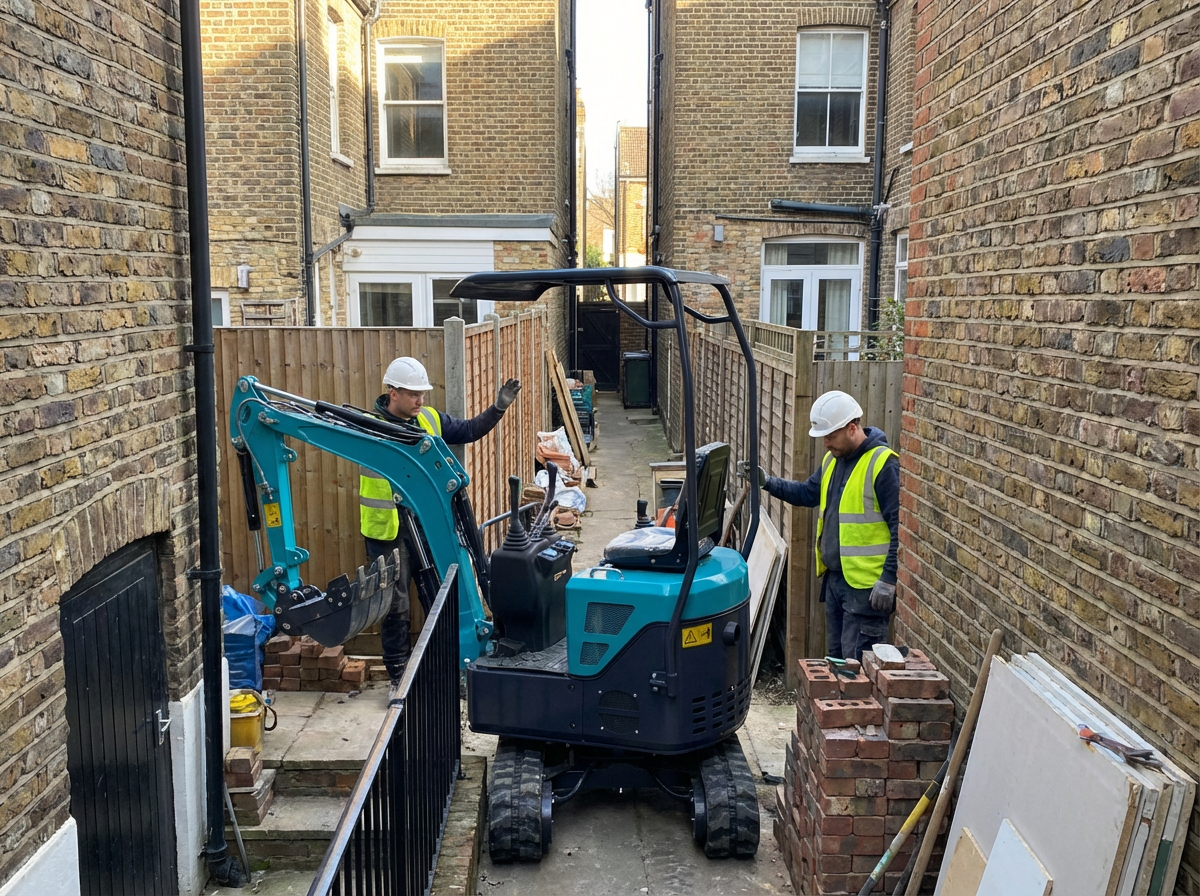
Although the hydraulic system produces digging force, the engine provides the energy behind it.
If engine performance drops, hydraulic output can follow.
Common engine-related causes include:
blocked fuel filters
restricted air intake
injector wear
reduced compression
Modern compact excavators often use diesel engines from manufacturers such as Yanmar or Kubota. When engine torque drops under load, the hydraulic pump slows down and pressure declines.
Before dismantling hydraulic components, technicians usually verify that the engine can still maintain rated RPM under working load.
Experienced technicians rarely guess. Instead, they follow a logical inspection order that prevents unnecessary repairs.
Check engine performance and rated RPM.
Measure hydraulic pressure using a test gauge.
Inspect hydraulic oil level and contamination.
Observe whether cylinders drift under load.
Inspect relief valve settings and hydraulic filters.
Following this sequence narrows the problem quickly. Most digging power issues can be traced to one of these areas without major disassembly.
When a mini excavator suddenly feels weak, the machine is rarely “broken” in a dramatic sense. More often, a hydraulic component has quietly lost efficiency. Pump wear, pressure relief valve problems, cylinder seal leakage or contaminated hydraulic oil account for most cases where mini excavators lose digging power.
Understanding how hydraulic pressure, flow and sealing interact allows technicians to diagnose the issue logically rather than replacing parts blindly. Once the root cause is identified, restoring proper hydraulic performance usually brings the excavator back to its normal digging strength.
Most compact excavators operate between approximately 200 and 350 bar depending on machine size and hydraulic design.
Hard soil requires higher cylinder force. If hydraulic pressure is slightly below specification, the problem becomes noticeable only when digging difficult material.
Yes. Restricted filters reduce oil flow reaching the pump, which lowers hydraulic output and slows actuator movement.
Many maintenance schedules recommend inspection every 500 operating hours, although oil analysis may extend or shorten the replacement interval depending on condition.

