A construction equipment supplier of construction machinery solutions for 30 years. WhatsApp:+86-18968212829
Language
A construction equipment supplier of construction machinery solutions for 30 years. WhatsApp:+86-18968212829
Small construction sites have a unique personality. They are often crowded, unpredictable, and occasionally resemble a puzzle where every piece must fit perfectly. Between tight access roads, limited working space, and multiple trades operating simultaneously, efficiency can quickly disappear if the wrong equipment is used.
This is exactly where the mini excavator proves its worth. Compact excavators have become one of the most important machines in modern construction, particularly for projects such as residential building, landscaping infrastructure, utility installation, and small-scale demolition.
While larger excavators dominate large infrastructure projects, mini excavators shine in environments where space, precision, and flexibility matter more than brute force. In this article, we will explore how mini excavators improve efficiency on small construction sites, from technical design advantages to real-world operational benefits.
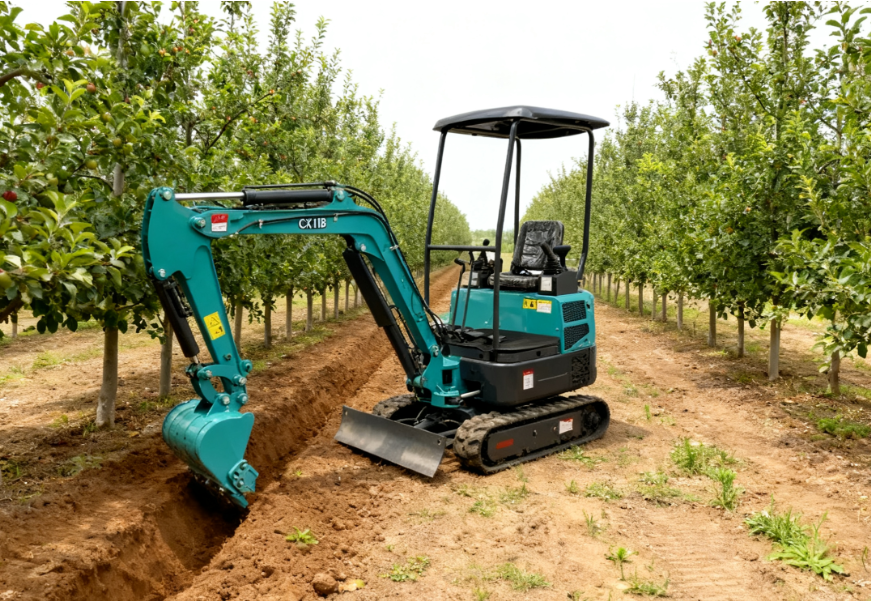
Before understanding why mini excavators are so effective, it is important to understand the typical problems faced on small construction sites.
Unlike large infrastructure projects with open work areas, smaller sites often present several operational constraints:
Narrow access routes for machinery
Limited manoeuvring space
Multiple tasks requiring different equipment
Strict time schedules
Using oversized machinery in these environments can actually reduce productivity. Large excavators may struggle to manoeuvre safely, require additional transportation logistics, and increase the risk of damaging nearby structures.
Mini excavators solve these challenges by combining compact size, high manoeuvrability, and sufficient digging power to handle most small-site tasks efficiently.
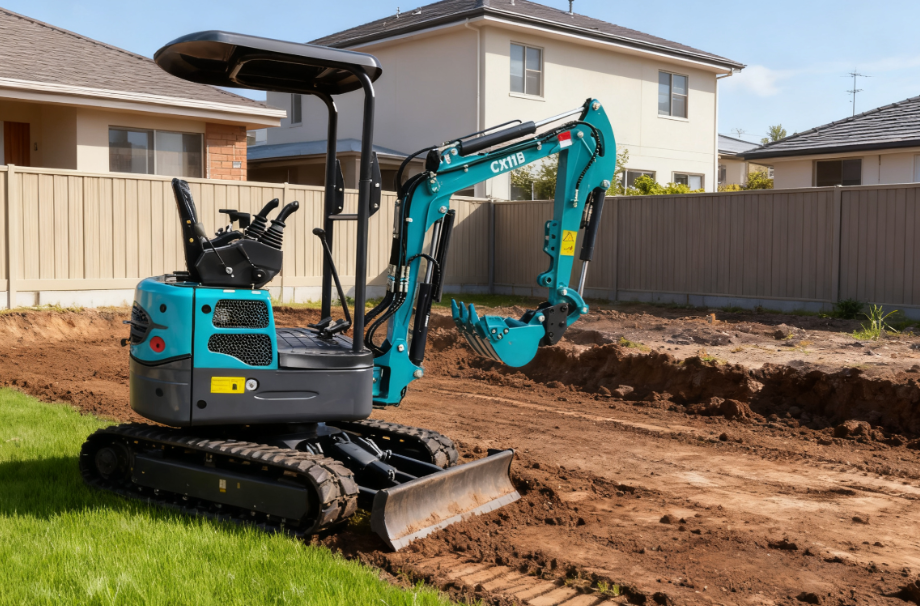
One of the biggest efficiency advantages of mini excavators is their compact footprint. Many models have a machine width of around one metre to 1.5 metres, allowing them to access locations that larger excavators simply cannot reach.
On small construction sites, this makes a significant difference when working in areas such as:
Residential back gardens
Narrow urban streets
Confined building foundations
Indoor demolition areas
Some mini excavators also feature zero tail swing or reduced tail swing designs. This means the upper structure rotates within the track width, reducing the risk of striking nearby walls or structures during operation.
In practical terms, this allows operators to work safely in extremely tight environments where traditional excavators would constantly require repositioning.
Efficiency on construction sites is often lost during repositioning rather than actual digging. Every time an operator needs to adjust machine position, valuable minutes disappear.
Mini excavators address this issue through several design features:
Short turning radius
Responsive hydraulic controls
Lightweight structure
Flexible track movement
Because of their smaller size and agile movement, mini excavators can reposition quickly between tasks. This reduces idle time and allows operators to maintain a smooth working rhythm throughout the day.
In a busy construction environment, even small improvements in manoeuvrability can significantly increase overall productivity.
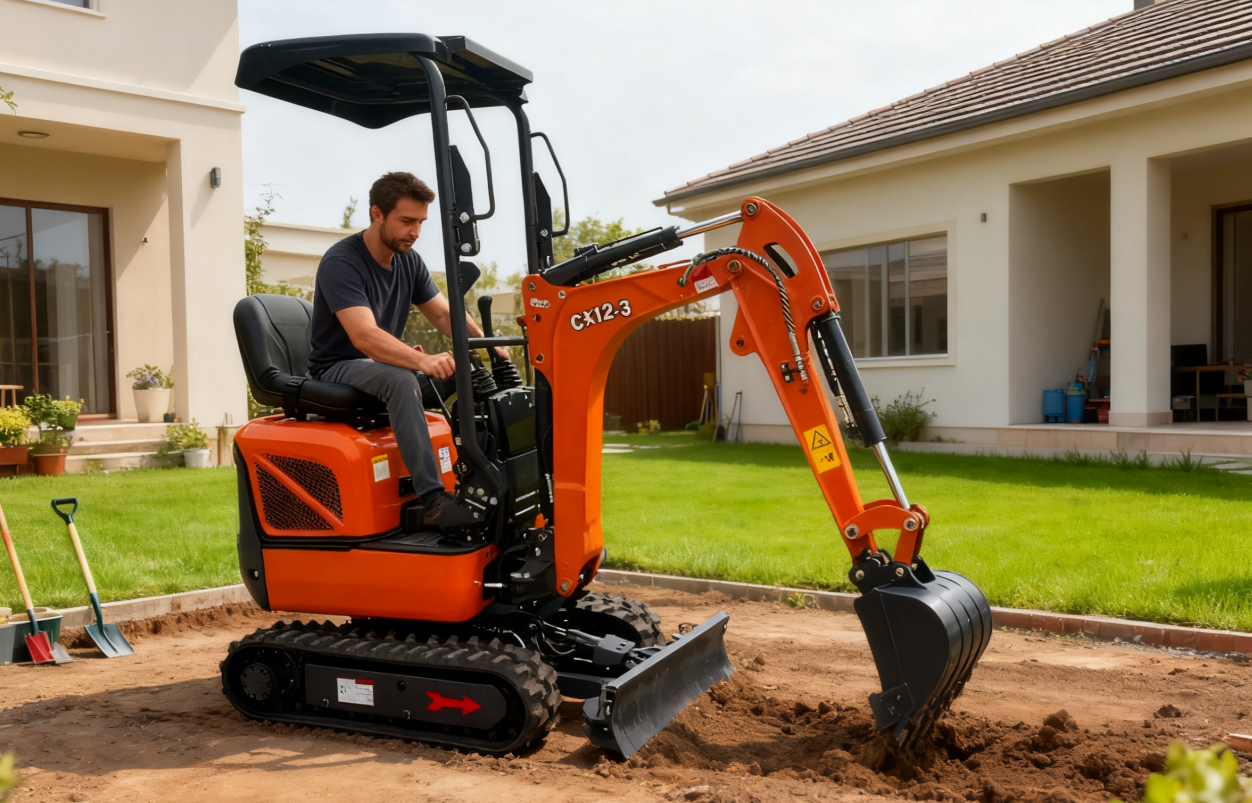
Another major reason mini excavators improve site efficiency is their ability to perform multiple tasks using different attachments.
Instead of bringing several specialised machines to a small site, contractors can use one mini excavator equipped with interchangeable tools. Common attachments include:
Trenching buckets for utility installation
Hydraulic augers for drilling post holes
Hydraulic breakers for small demolition work
Grading buckets for surface levelling
Grapples for handling debris and vegetation
These attachments are typically powered by the machine’s auxiliary hydraulic system. A stable hydraulic flow ensures that each tool performs efficiently without placing excessive load on the engine.
By switching attachments instead of machines, contractors reduce transportation costs, minimise equipment clutter on site, and complete tasks more quickly.
Although mini excavators are compact, modern models are equipped with surprisingly capable hydraulic systems.
The hydraulic pump converts engine power into fluid pressure, which drives the boom, arm, and bucket movements. Efficient hydraulic design allows mini excavators to deliver strong digging force while maintaining smooth control.
This combination of power and precision is particularly useful for tasks such as:
Foundation excavation
Drainage trenching
Utility pipeline installation
Landscape preparation
Advanced hydraulic systems also provide operators with better control during delicate operations. This reduces the risk of over-excavation and minimises the need for rework.
In construction, fewer mistakes often translate directly into higher efficiency.
Transport logistics can have a surprisingly large impact on project timelines. Large excavators typically require heavy-duty trailers, additional permits, and longer setup procedures.
Mini excavators, on the other hand, are significantly easier to transport.
Many compact models can be moved using standard equipment trailers or small transport trucks. This reduces both transportation cost and preparation time.
For contractors managing multiple small projects in different locations, the ability to quickly relocate equipment provides a major productivity advantage.
Efficiency is not only about speed—it is also about cost.
Mini excavators typically use smaller diesel engines, often in the range of 10 to 30 horsepower. Despite their modest size, these engines provide sufficient torque for most small construction tasks while consuming far less fuel than larger machines.
Modern engines designed to meet Euro 5 and EPA emission standards also feature improved combustion efficiency and lower environmental impact.
Lower fuel consumption, combined with simpler maintenance requirements, helps contractors reduce overall operating expenses while maintaining reliable performance on site.
Efficiency is closely linked to safety. A machine that feels unstable or difficult to control slows down operations because operators must work cautiously.
Mini excavators are designed with balanced operating weight, wide track bases, and low centres of gravity. These features provide excellent stability during digging and lifting operations.
Stable machines allow operators to work confidently and maintain consistent productivity throughout the day.
And when the excavator feels stable rather than wobbly, the operator can focus on the task instead of worrying about tipping the machine into an awkward position.
Small construction sites demand equipment that is flexible, efficient, and capable of handling a variety of tasks within limited space. Mini excavators meet these requirements exceptionally well.
Through their compact size, agile manoeuvrability, versatile attachments, efficient hydraulic systems, and lower operating costs, mini excavators significantly improve productivity on confined job sites.
Whether installing drainage systems, preparing foundations, or performing small demolition work, these machines allow contractors to complete projects faster and with greater precision.
In the world of construction equipment, bigger is not always better. Sometimes, the smartest solution is simply a smaller machine that knows exactly how to work smarter rather than harder.

