A construction equipment supplier of construction machinery solutions for 30 years. WhatsApp:+86-18968212829
Language
A construction equipment supplier of construction machinery solutions for 30 years. WhatsApp:+86-18968212829
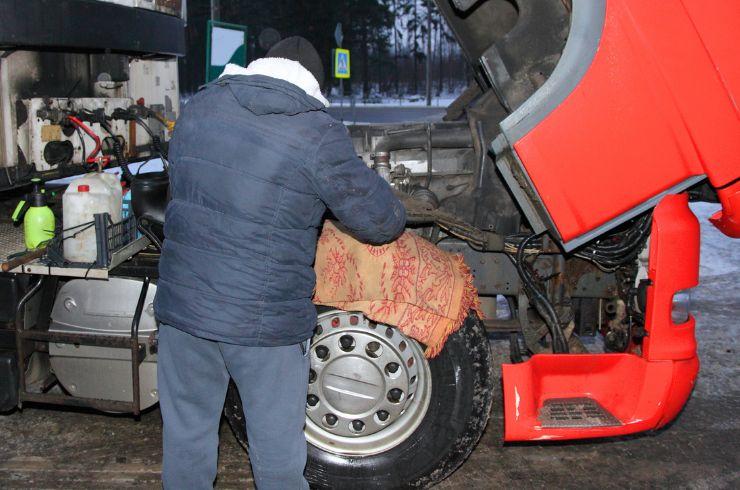
Cold-start problems in compact loaders are common in winter, especially on diesel machines. Many loaders run well during the day but become hard to start after sitting overnight. At first, this may seem like a simple battery issue. In fact, the real cause is often a combination of small problems. The battery may crank more slowly in cold weather, the fuel may not flow well, the glow plugs may not heat properly, or the air intake may already be partly blocked by dust and debris. When these issues appear together, the machine may crank for too long, produce smoke, fire once and stop, or fail to start at all. That is why compact loader cold start problems should be checked as a system rather than guessed from one symptom alone.
Most operators first think about the battery, and that is understandable. However, for a diesel compact loader, cold starting depends on more than cranking power. The engine also needs clean fuel, enough heat in the combustion chamber, and smooth airflow into the intake system. If one of these conditions is weak, starting becomes difficult. If two or three are weak at the same time, the machine will usually become very hard to start on a cold morning. This is the main reason why diesel compact loader hard starting in cold weather is so common in real jobsite use.
A diesel engine starts differently from a petrol engine. It does not use a spark plug to ignite fuel. Instead, it relies on compression heat. In warm conditions, that process is easier. In cold weather, the situation changes. The oil becomes thicker, the battery loses part of its output, and the temperature inside the cylinders rises more slowly during cranking. At the same time, diesel fuel can become thicker and flow less easily through the filter and lines. Because of this, a machine that starts normally in mild weather may become slow and difficult to start once the temperature drops.
This is why cold-start problems should not be judged too quickly. A loader may still crank, but that does not mean the battery is good enough. It may still get some fuel, but that does not mean fuel delivery is correct. It may still have working glow plugs, but that does not mean the whole preheating system is working as it should. In practice, cold weather reduces the safety margin of the whole starting process. As soon as one small weakness appears, starting quality drops.
When a compact loader cranks but does not start properly, the fuel system is one of the first areas to inspect. This is especially true if the machine has been parked overnight in low temperatures. In many cases, fuel system checks for hard starting can quickly show whether the problem is poor fuel flow, trapped air, a blocked filter, or loss of prime after shutdown.
Fuel problems often show a clear pattern. The engine may crank evenly but fail to fire. It may start briefly and then stop. It may also need repeated attempts before it runs smoothly. These symptoms usually mean fuel is not reaching the injectors in a stable and clean way. In cold weather, the first thing to think about is fuel condition. If diesel begins to gel, fuel flow drops sharply. Even if the machine still has fuel in the tank, the engine may behave as if it is starved.
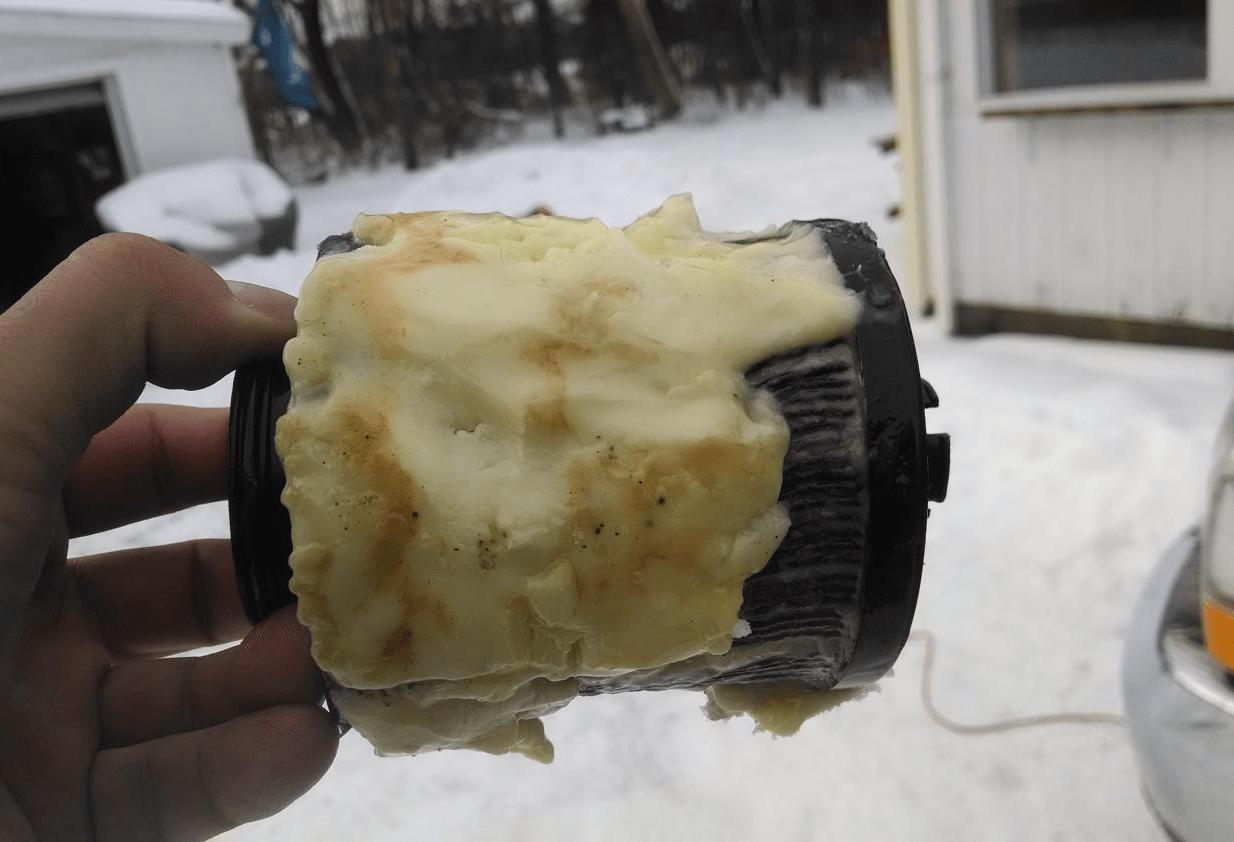
One of the most common winter issues is diesel fuel gelling in cold weather loaders. When diesel thickens, it becomes harder to pass through the filter. The machine may crank strongly, yet still fail to start. This often leads operators to suspect the electrical system first, but the real fault is restricted fuel flow. A partially blocked fuel filter can create the same symptom. So can water contamination in the filter bowl.
Another common issue is air entering the fuel line. If the loader starts better after priming, or if it starts and then dies after a short time, the system may be losing prime while parked. This can happen because of loose fittings, worn seals, cracked hoses, or small leaks around the filter head. In these cases, the machine may appear to have a serious problem, but the actual cause is often a simple loss of fuel pressure on the suction side.
If the filter has recently been changed, the tank was allowed to run low, or the fuel line has been opened for service, air may remain inside the system. That is when a step-by-step fuel system bleeding for compact loader no-start issues check becomes useful. Bleeding removes trapped air and helps restore steady fuel flow. It also helps confirm whether the system is drawing solid fuel or pulling in air again. If bubbles return after bleeding, the machine likely has an upstream leak that still needs repair.
Once fuel delivery has been checked, the next area is the glow plug system. On a cold diesel engine, glow plugs play a major role in helping the combustion chamber reach starting temperature. If they do not heat correctly, the engine may still crank well, but combustion will be delayed and unstable. That is why glow plug failure symptoms diesel cold start problems are so common in winter operation.
A weak glow plug system often causes long cranking, rough firing in the first few seconds, and white smoke from the exhaust. In some cases, the machine starts better after cycling the key twice. That is another useful clue. It suggests the engine is responding to extra preheating time. If the loader starts poorly only in cold conditions but runs normally once warm, glow plug performance should be checked carefully.
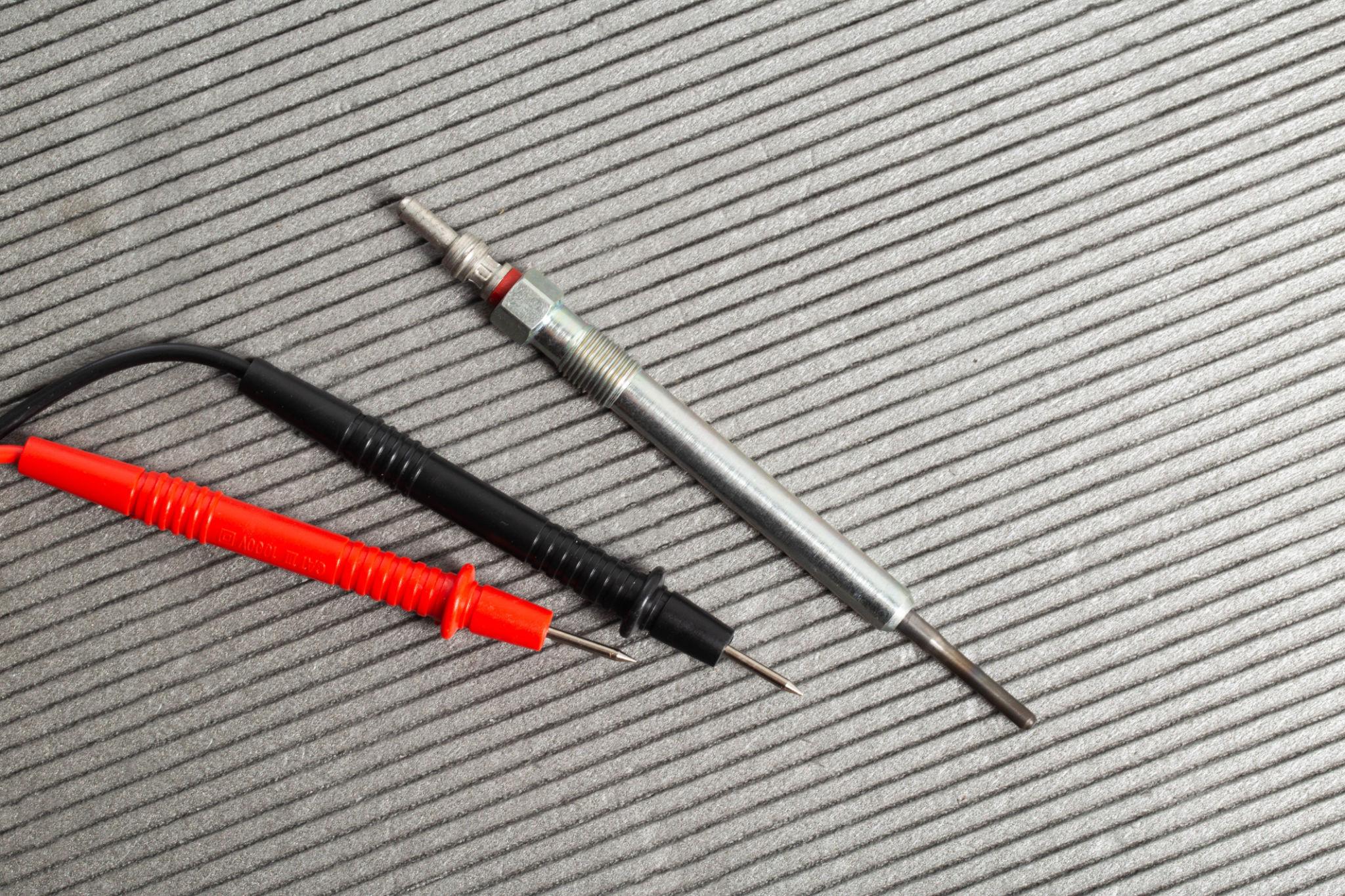
For how to test glow plugs compact loader checks, it is better not to replace parts blindly. First, confirm that power reaches the glow plugs during the preheat cycle. After that, test each plug according to the engine maker’s method. If one plug fails, one cylinder may remain too cold at startup. If several plugs are weak, the engine may crank for a long time and produce white smoke before finally running. In these cases, operators often describe the problem as hard starting, while the real issue is incomplete preheating.
The glow plugs themselves are only part of the system. If the relay is weak, if the wiring has resistance, or if battery voltage drops too much during preheat, the plugs may not work correctly even when they are still in usable condition. This makes glow plug relay troubleshooting compact construction equipment an important part of any winter starting diagnosis. Many loaders get new glow plugs but keep the original relay fault, so the starting problem soon returns.
After fuel and glow plugs, the air intake should be checked. This area is often ignored because it seems less likely to stop a machine from starting. In reality, air intake restriction cold start diesel engine faults can make cold starting much worse, especially on loaders working in dusty, dirty, or muddy conditions.
Compact loaders often work in places where the air filter loads quickly. Fine dust, feed particles, cement powder, wood dust, and site debris can all reduce airflow. When the intake path becomes restricted, the engine receives less clean air during cranking. In cold weather, that reduced airflow makes it harder for the engine to build stable combustion.
A dirty air filter hard starting skid steer problem may not always cause a full no-start. Sometimes the engine starts roughly, produces smoke, and then clears up later. Sometimes it starts only after long cranking. Sometimes it runs poorly when throttle is applied just after startup. These signs are easy to confuse with fuel or injector faults, which is why the intake path should still be checked. A dirty filter, damaged housing seal, collapsed hose, or blocked air passage can all reduce starting quality.
In the field, the fastest way to diagnose a winter no-start is to compare the symptom pattern. If the engine cranks strongly but feels like it is not getting enough fuel, inspect fuel gelling, filter blockage, prime loss, and air leaks first. If it cranks, tries to fire, produces white smoke, and improves after repeated preheat cycles, move to the glow plug and relay system. If it starts but runs unevenly and seems short of clean air, inspect the intake path and filter condition.
This fuel vs glow plug cold start issue how to tell method helps reduce guesswork. Instead of replacing parts one by one, it uses the machine’s actual behaviour to guide the inspection order. That approach saves time, lowers maintenance cost, and improves repair accuracy.
Fixing the immediate starting problem is important, but preventing future damage matters just as much. Repeated long cranking places extra load on the battery and starter motor. It also increases wear on the engine during low-temperature operation. For that reason, winter maintenance should be planned before cold weather arrives.
A good winter routine should include checking battery condition, cleaning cable connections, inspecting glow plugs and the relay, replacing old fuel filters, using suitable seasonal diesel, and keeping the air intake system clean. These small steps greatly improve starting reliability. They also reduce the chance of emergency repairs during busy working periods.
Cold mornings often reveal weak points that stay hidden in warmer weather. If your loader becomes hard to start only after a cold night, treat that as useful information. In most cases, the root cause will be found in one of three places: fuel delivery, glow plug performance, or air intake restriction. When these three systems are checked in a clear order, most compact loader cold start problems can be diagnosed faster and fixed more accurately.
A compact loader usually struggles to start in cold weather because battery output drops, engine oil becomes thicker, diesel fuel flows less easily, and the glow plug system has to work harder. If the fuel system, glow plugs, or air intake already have a small fault, cold temperatures will make the problem much worse.
The most common causes are poor fuel delivery, weak glow plug performance, and low cranking efficiency. In winter, blocked fuel filters, fuel gelling, air in the fuel line, and glow plug relay faults are among the most common reasons for hard starting.
If the engine cranks strongly but does not seem to receive enough fuel, check the fuel filter, fuel lines, prime condition, and possible fuel gelling first. If the engine cranks, gives white smoke, or starts better after repeated preheating, the glow plugs or glow plug relay are more likely to be the problem.
Yes. A blocked fuel filter can reduce fuel flow and make a diesel compact loader hard to start, especially in cold weather. The engine may crank normally but still fail to fire, start briefly and stop, or run unevenly after startup.
Common signs include long cranking, rough startup, white smoke, poor starting on cold mornings, and better starting after cycling the key more than once. These signs usually point to weak preheating rather than a major engine failure.
Start by checking whether power reaches the glow plugs during the preheat cycle. Then test each glow plug according to the engine maker’s method. If one or more plugs are weak, the loader may crank for too long and struggle to start in cold conditions.
Yes. Air in the fuel line can cause poor fuel delivery, loss of prime, and unstable starting. The loader may start and then stop, or it may need repeated cranking before it runs smoothly. This is common after filter replacement or when there is a small leak in the fuel line.
Yes. A dirty air filter or restricted intake path can reduce airflow and make cold combustion less stable. This may not always cause a full no-start, but it can lead to long cranking, rough startup, smoke, and poor running in the first few moments after the engine starts.
If a diesel compact loader cranks but does not start when cold, the most likely causes are poor fuel flow, weak glow plugs, low battery performance under load, or intake restriction. The best method is to check fuel, glow plugs, and air intake in order rather than replacing parts at random.
To prevent cold start damage, keep the battery in good condition, replace old fuel filters, use suitable winter diesel, inspect the glow plug system before cold weather, and keep the air intake clean. Avoid repeated long cranking, because it increases wear on the starter, battery, and engine.

