Product knowledge popularization
A construction equipment supplier of construction machinery solutions for 30 years. WhatsApp:+86-18968212829
Language
A construction equipment supplier of construction machinery solutions for 30 years. WhatsApp:+86-18968212829
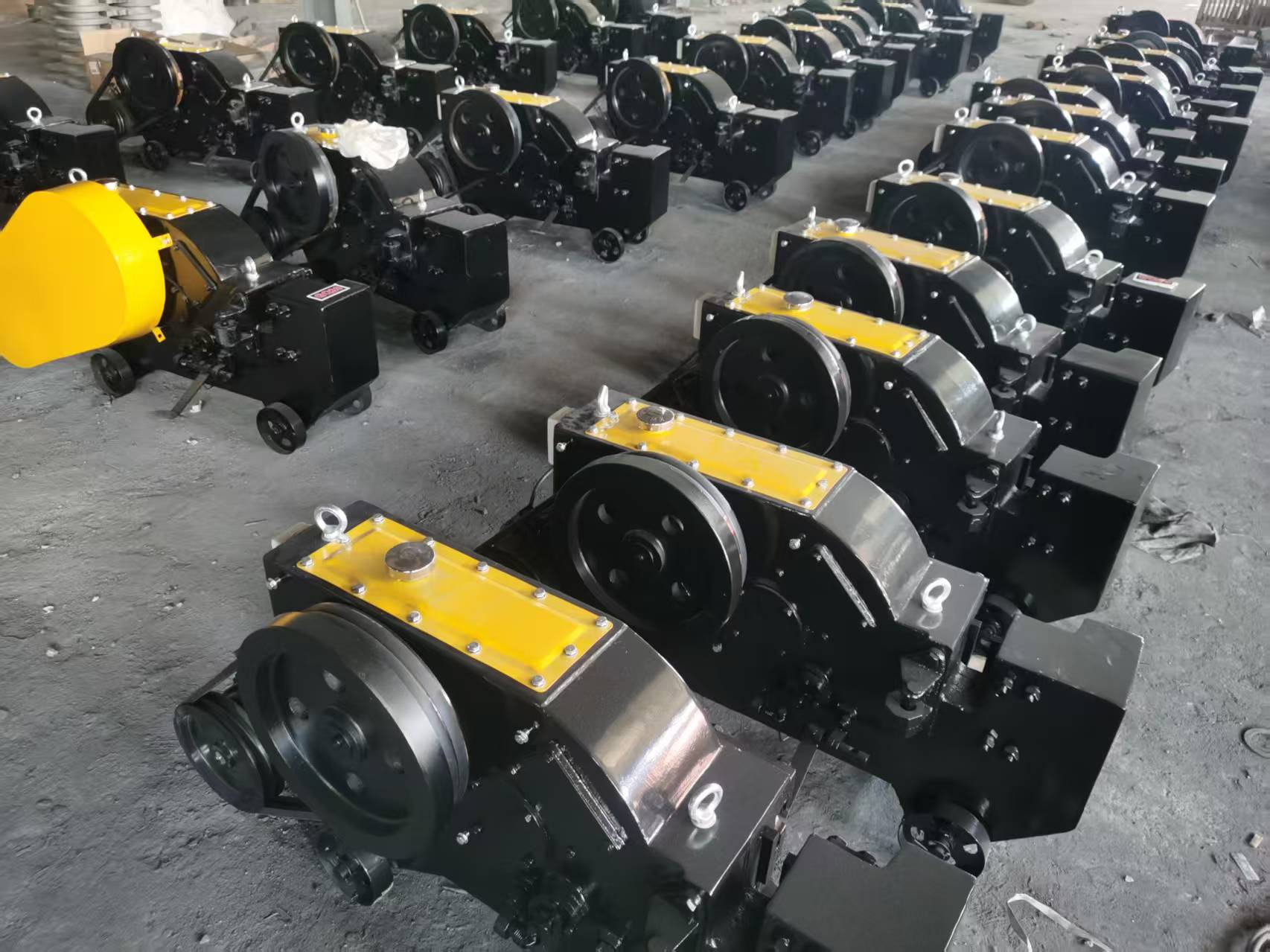
Knowing how to cut rebar safely is not just about getting through steel quickly. On a busy construction site, every cut affects how smoothly reinforcement can be installed, tied, bent, moved and inspected before concrete is poured. A few short bars can be handled with basic tools, but repeated cutting for slabs, beams, bridges, tunnels or precast cages needs a more controlled method. A rebar cutter helps the operator cut steel bar with less reliance on sparks, abrasive discs and arm strength, while keeping the process more repeatable from one worker to the next. That is good news for productivity, and even better news for the person who no longer has to fight steel all afternoon.
The first mistake in rebar cutting is assuming that diameter tells the whole story. It does not. Steel grade changes how much force is needed to cut the bar, so a cutter should be selected by both bar size and material strength. According to ASTM A615/A615M, reinforcing bars can have minimum yield strength levels of 40,000 psi, 60,000 psi, 80,000 psi and 100,000 psi. Grade 60 rebar, one of the common grades used in reinforced concrete work, has a minimum yield strength of 60,000 psi, or 420 MPa. That is why the machine’s rated capacity should be checked against the actual steel grade, not guessed from the bar diameter alone.
Bar size systems can also cause confusion when buyers compare machines across markets. In the U.S. bar numbering system, the number usually represents eighths of an inch, so #4 rebar is 0.500 inch in nominal diameter, #5 is 0.625 inch and #8 is 1.000 inch. For contractors, dealers and rental companies, this matters because a steel bar cutting machine must match the reinforcement schedule used on real projects, not just the largest size printed in a brochure. If the site uses different bar sizes for foundations, columns, bridge decks and precast cages, the cutter must be chosen for that mixed workload.
An angle grinder can cut rebar when it is fitted with the correct metal cutting disc, and it is useful for occasional trimming, repair work and small adjustments on site. The trade-off is that it produces sparks, dust, heat and noise, and the result depends heavily on the operator’s control. The wheel condition, cutting angle and guard position all matter. OSHA 1926.303 states that, where abrasive wheel guards are required, the maximum angular exposure of the grinding wheel periphery and sides must not exceed 180°. In simple language: the guard is not decoration. It is there because broken abrasive wheels do not politely fall to the floor.
A bolt cutter is simple, quiet and portable. It needs no power supply and produces no sparks, which can be useful in restricted areas. However, it is mainly practical for smaller diameter bars and lighter site adjustments. As the bar diameter or steel grade increases, the operator must apply much more force, and the cut end may deform if the cutter is not suited to the material. For a few light bars, it can work. For daily reinforcement processing, it quickly becomes a workout programme nobody asked for.
An electric rebar cutter or hydraulic rebar cutter is usually the better choice when the work involves repeated cuts, larger quantities or stricter safety control. The bar is positioned against the stop, supported properly and cut by a blade system made for reinforcement steel. This keeps the cutting action more stable and makes the result less dependent on individual operator strength. For steel fixers, precast plants, bridge contractors, building sites and rental fleets, this repeatability is often more valuable than speed alone. Fast cutting is useful; fast and consistent cutting is what keeps the next trade moving.
The comparison between a rebar cutter vs angle grinder should not be reduced to “which tool can cut steel?” Both can do the job, but they solve different problems. An angle grinder is flexible and inexpensive for occasional cuts, while a rebar cutter is stronger for repeated straight cuts of reinforcement bar. When dozens or hundreds of bars must be cut to length, a rebar cutter usually gives better control, lower operator fatigue and cleaner workflow because the cutting motion is fixed instead of guided by hand.
Noise should also be considered before choosing the cutting method. OSHA’s construction noise standard requires protection when sound levels exceed the limits in Table D-2, including 90 dBA for 8 hours, 95 dBA for 4 hours and 100 dBA for 2 hours. For workshops and precast yards, OSHA’s general industry noise standard also uses an 85 dBA 8-hour time-weighted average as the action level for a hearing conservation programme. In practical terms, the louder the cutting area becomes, the less time workers can safely spend there without proper hearing protection and noise planning.
| Check Item | Why It Matters | Practical Reference |
|---|---|---|
| Bar size | The cutter must match the real diameter used on site. | #4 = 0.500 in, #5 = 0.625 in, #8 = 1.000 in |
| Steel grade | Higher yield strength needs suitable cutting force. | ASTM A615 grades include 40,000–100,000 psi yield levels |
| Noise exposure | Tool choice and shift length affect hearing protection. | OSHA construction reference: 90 dBA for 8 hours |
| Abrasive wheel guarding | Improper guarding increases contact and fragment risk. | Maximum wheel exposure must not exceed 180° where guards are required |
Start by checking the rebar diameter, steel grade and cutting quantity against the machine’s rated capacity. Place the steel bar cutting machine on a stable, level surface with enough space to feed long bars without bending them awkwardly. The work area should be clear of loose offcuts, standing water, trip hazards and unnecessary workers. Long bars should be supported on both sides of the cutting point so they do not drop, twist or spring away when the cut is completed.
Before operation, inspect the blade, guard, switch, cable, bar stop and fixing bolts. The operator should wear eye protection, gloves, safety footwear and hearing protection where required. Feed the rebar into the cutting position, keep hands away from the blade area and activate the cutter according to the operating instructions. Do not force the bar sideways, do not cut beyond rated capacity and do not remove the offcut until the blade has fully stopped. If the machine slows heavily, makes abnormal noise or leaves distorted cut ends, stop and inspect the blade condition, bar grade and machine capacity before continuing. A good cutter should sound busy, not angry.
A practical rebar cutting safety checklist should include bar identification, machine capacity, blade condition, guard condition, electrical safety, stable support, offcut removal and suitable PPE. Hearing protection deserves special attention because construction noise exposure is common. NIOSH construction noise statistics report that 52% of noise-exposed construction workers say they do not wear hearing protection, and about 23% of tested noise-exposed construction workers have a material hearing impairment. This makes noise planning part of the cutting method, not something to consider only after workers start shouting at each other across the yard.
After cutting and placing reinforcement, site teams should also control exposed bar ends. OSHA 1926.701 requires protruding reinforcing steel that workers could fall onto or into to be guarded to remove the impalement hazard. This point is easy to overlook when everyone is focused on production, but cut rebar does not become safe simply because the cutting work is finished. Starter bars, slab reinforcement, cage ends and congested reinforcement zones all need attention before workers continue moving through the area.
Choosing the right rebar cutting machine starts with the maximum bar diameter, steel grade and daily cutting volume. A small contractor may need a portable electric rebar cutter for site adjustments, while a reinforcement processing yard may need a stronger machine with higher productivity and a more robust feeding arrangement. Buyers should also compare manual feeding, sizing devices, automatic or semi-automatic operation, blade replacement, lubrication points, maintenance access and spare parts availability.
For bridge construction, tunnel projects, building foundations and precast reinforcement work, a dedicated rebar cutter improves workflow because bars can be cut to length before bending, tying or cage assembly. The smartest machine is not simply the heaviest one, the cheapest one or the one with the loudest sales description. It is the cutter that matches the reinforcement schedule, operator skill, power supply, mobility requirement and maintenance capability of the job site. That is how contractors cut faster without turning safety into an afterthought.
The safest method is to use a tool rated for the rebar diameter and steel grade, support the bar properly, keep hands away from the cutting point and wear suitable PPE. For repeated cuts, a dedicated rebar cutter is usually more stable and consistent than improvised cutting methods.
Yes, an angle grinder can cut rebar with the correct disc and guarding, but it produces sparks, noise, heat and abrasive dust. It is practical for occasional cuts, while a rebar cutter is usually better for repeated construction-site cutting.
Check the maximum cutting diameter, steel grade compatibility, power source, blade type, operation mode, maintenance access, spare parts supply and whether the machine suits your normal construction projects.
An electric rebar cutter is often convenient for general site work and moderate cutting tasks. A hydraulic rebar cutter is usually more suitable when thicker bars, frequent cutting or stronger cutting force are required.

