A construction equipment supplier of construction machinery solutions for 30 years. WhatsApp:+86-18968212829
Language
A construction equipment supplier of construction machinery solutions for 30 years. WhatsApp:+86-18968212829
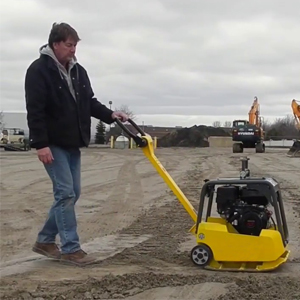
If you've ever watched a plate compactor shake itself half to death on a concrete slab while the operator scratches his head wondering why — this article is for you. Whether you're a seasoned site engineer or someone who just got handed the keys to a new machine, getting the basics right from day one will save you a lot of headaches, repair bills, and awkward conversations with your project manager.
Before you even think about pulling that starter rope, check your fuel. The gasoline going into the tank must be clean and uncontaminated — no sand, no debris, no water, and absolutely no mixing with other oil types. It sounds obvious, but dirty fuel is one of the most common causes of carburetor blockage and cylinder damage in small engine equipment. A cheap funnel with a filter screen takes about ten seconds to use and could save you a very expensive repair.
The same logic applies to engine oil. Oil that has gone milky (a sign of water contamination) or has been running too long without a change is no longer doing its job — it's actually doing the opposite. For a brand-new machine, change the engine oil after the first two weeks of operation. This flushes out the fine metal particles produced during the break-in period. After that, a change every three to five months keeps the engine happy. Since plate compactors don't have a gearbox, all your lubrication focus goes straight to the engine — there's no excuse for skipping this step.
Here's where a lot of operators go wrong. Yanking the starter rope like you're trying to start a lawnmower in the middle of a hurricane is not the move. Instead, pull the rope slowly until you feel resistance — that's the piston reaching the top of its compression stroke. Once you've found that point, give it one sharp, firm pull from that position. The engine will fire. Then, gently guide the handle back rather than letting it snap back on its own.
In cold weather, you've got one extra step: set the choke to half-open before starting. This enriches the fuel mixture and helps the engine turn over in low temperatures. Once it warms up and runs smoothly, return the choke to the fully open position. Simple, effective, and it'll keep your winter mornings a lot less frustrating.
Once the engine is running, resist the urge to crank the throttle wide open. Running the machine at around 80% throttle is the sweet spot for extended operation. At full throttle under continuous load, engine temperatures climb, and over time, that heat accumulates into real mechanical damage. The vibration output at 80% is already more than enough to do the job properly — you're not going to compact soil faster by burning out your engine two months ahead of schedule.
The compacting plate at the base of the machine is made from 45# steel, a medium-carbon steel that strikes a good balance between strength and toughness. This means that when the plate hits a stray rock or brick fragment buried in the fill — which it will — it's not going to crack or deform easily. If a replacement plate isn't available, a fabricated steel plate built from the original mold dimensions will work just as well in practice.
Plate compactors typically come with either a fixed straight handle or a folding handle. On most job sites, the folding handle is the better choice. It collapses down quickly for transport and storage, which matters when you're moving between multiple compaction zones in a single shift. The front guard frame isn't just there to look tough — it protects the engine from impact damage and doubles as a lifting point when you need to crane or hoist the machine into position.
The heavy-duty anti-vibration frame sits between the engine assembly and the base plate, absorbing the bulk of the mechanical shock so it doesn't travel straight up into the operator's hands and the engine mounts. Under normal working conditions, this component needs very little attention. A full inspection every one to two years is sufficient — remove the belt, take off the mounting bolts, and check the rubber damping elements for wear or deformation. It's not a complicated job, but skipping it for years will cause vibration to creep back into the machine, accelerating wear across every other component. Think of it as the machine's spine: you only notice it when something goes wrong.
This is a rule that gets broken constantly on site, usually because moving the machine feels like more effort than just leaving it running in place. Don't do it. Running the compactor in vibration mode on concrete, asphalt, or any already-compacted hard surface creates a violent feedback loop — the machine hammers against the unyielding surface, and that force goes straight back into the base plate, the eccentric mechanism, and the anti-vibration frame. If you need to reposition, switch off the vibration or lift the machine clear before moving it.
For lime-soil or clay-mixed subgrades, always water the surface before compaction. The key is timing: wait until the surface is damp but no longer sticky to the touch. That's when the material is at or near its optimum moisture content — the point where the soil particles will lock together most effectively under load. Too dry, and the particles won't bind. Too wet, and you're essentially just making mud vibrate. Getting this right isn't guesswork; it's the difference between a compacted layer that passes a density test and one that fails.
Cement slurry and lime-stabilized material have one thing in common: once they set, they're not coming off easily. After any job involving fresh concrete or stabilized sub-base layers, clean the machine thoroughly before the residue has a chance to harden. A quick rinse with water on-site takes five minutes. Chiseling off cured concrete from the base plate and frame takes considerably longer — and it looks unprofessional, which is reason enough on its own.
A plate compactor is a straightforward machine, but like any piece of equipment, it rewards operators who pay attention to the basics. Clean fuel, fresh oil, a measured approach to starting and throttle control, and a few simple maintenance checks go a long way toward keeping the machine running reliably across hundreds of operating hours. Build these habits into your standard site routine, and the plate compactor will be one of the least troublesome pieces of equipment in your fleet.

