A construction equipment supplier of construction machinery solutions for 30 years. WhatsApp:+86-18968212829
Language
A construction equipment supplier of construction machinery solutions for 30 years. WhatsApp:+86-18968212829
Compaction equipment performance determines whether a pavement achieves its specified density, stiffness, and long-term durability. On site, failures rarely stem from material alone; they are typically the result of mismatched road rollers, incorrect vibration settings, poor coordination with paving machines, or inadequate maintenance of critical components. For engineers and supervisors working with road construction machinery, understanding how compaction equipment interacts with asphalt or granular layers is central to quality control.
This technical review examines how different types of compaction equipment influence pavement results, why density targets are sometimes missed, and how performance can be optimised without simply increasing rolling passes. The focus is practical: site decisions, machine settings, and maintenance factors that directly affect measurable outcomes.
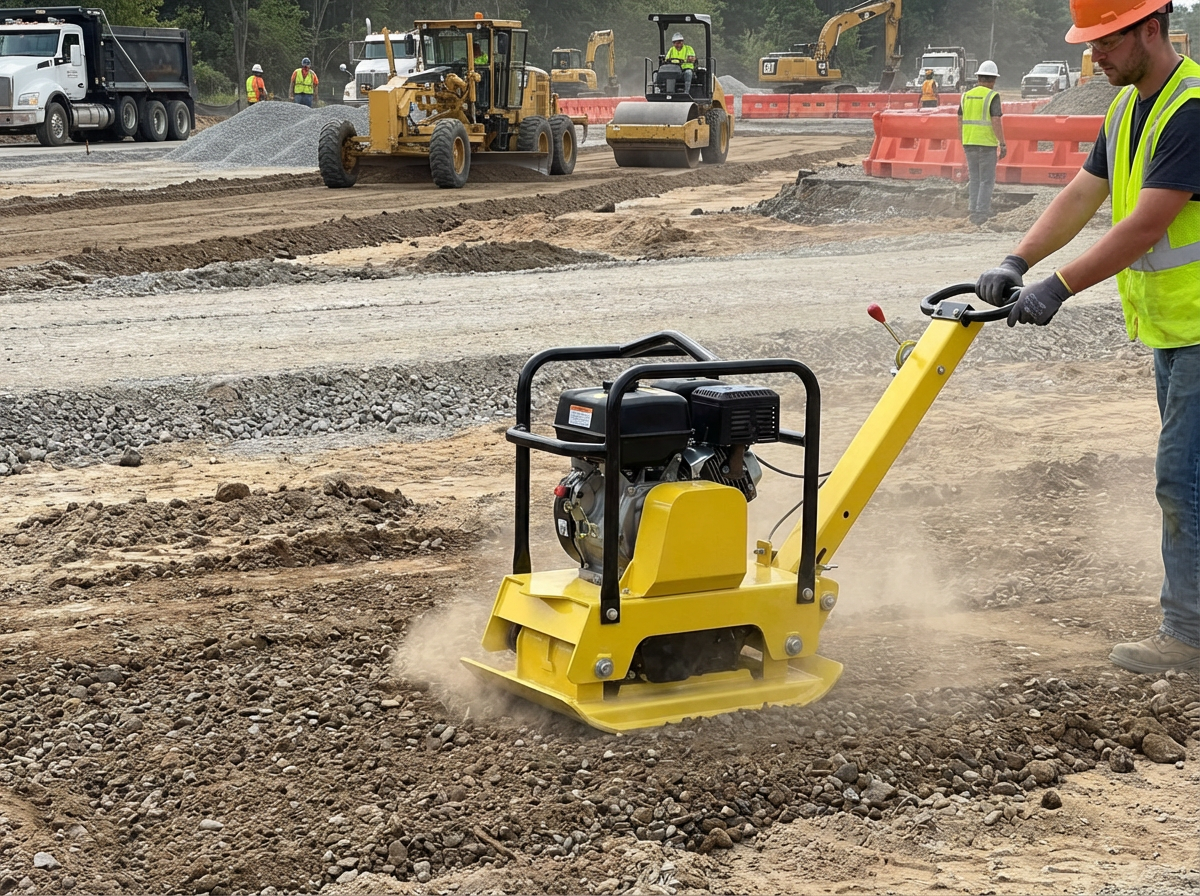
Compaction performance is governed by three interacting elements: material behaviour, machine energy input, and timing. In asphalt paving, density development depends heavily on temperature. If rolling begins too late, the mix loses workability and internal friction increases, limiting achievable density regardless of roller weight. Conversely, excessive energy applied at high temperature can cause aggregate displacement.
For granular bases, layer thickness and moisture content control how vibration energy propagates. Thick lifts require higher amplitude to transmit force to deeper zones, while thin layers may respond better to lower amplitude with higher frequency. Road construction machinery must therefore be matched not only to material type but also to lift depth and environmental conditions.
Performance should be assessed through measurable indicators: achieved density percentage, stiffness modulus (where intelligent systems are used), surface smoothness, and uniformity across the lane width. Isolated density peaks do not indicate good compaction if variability remains high.
Vibratory road rollers generate dynamic force through eccentric rotating masses within the drum. Two parameters dominate performance: frequency (vibrations per minute) and amplitude (vertical displacement). Higher amplitude increases energy transmission depth, making it suitable for thick granular bases. Lower amplitude combined with higher frequency is generally more appropriate for asphalt layers.
Incorrect pairing of frequency and amplitude can produce counterproductive effects. Excessive amplitude on thin asphalt lifts may fracture aggregate structure or create surface tearing. Insufficient vibration energy leads to density plateaus even after multiple passes. Operators must adjust settings in response to layer thickness, mix type, and mat temperature rather than relying on default configurations.
Pneumatic tyre rollers apply compaction through kneading action. Instead of vertical impact, they generate lateral particle movement and surface sealing. In asphalt applications, this mechanism improves inter-particle contact and reduces surface voids.
Tyre pressure calibration is critical. Uneven pressure results in inconsistent load distribution and density variation. On hot mixes, pneumatic rollers are often deployed during intermediate stages, when the material remains workable but has gained initial stability from steel drum rolling.
Static rollers rely solely on machine weight. While less common for high-production highway works, they remain relevant in urban environments where vibration transmission must be controlled. Static compaction can also be beneficial on sensitive substrates or thin overlays where vibratory action risks damage.
Selecting between vibratory and static modes should be a deliberate engineering decision, not a default operating habit.
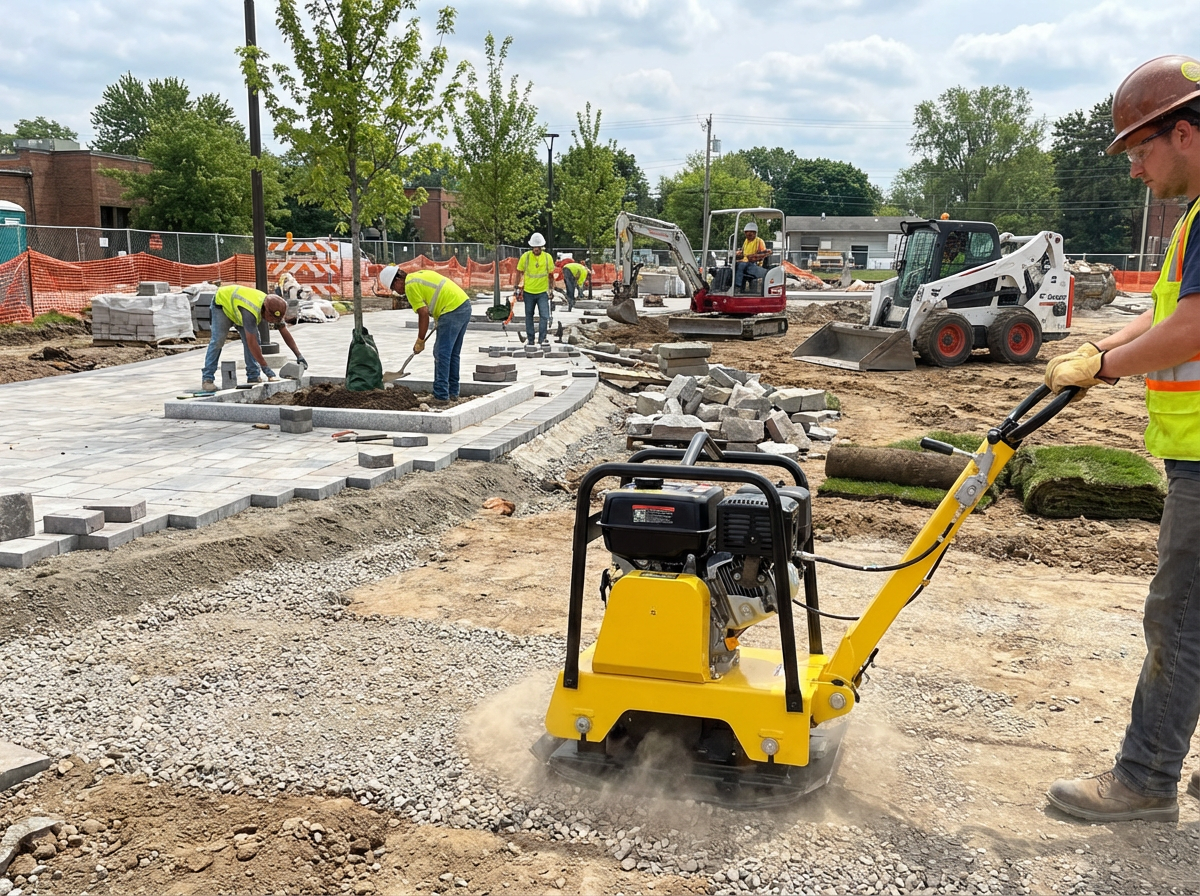
Density shortfalls often trace back to inappropriate amplitude or frequency. Operators may use high amplitude throughout the rolling sequence, assuming greater force ensures better compaction. In reality, excessive energy at later stages can destabilise already compacted material, reducing effective density.
Rolling patterns must ensure complete coverage with controlled overlap. Random passes or inconsistent travel speeds reduce compaction uniformity. Modern road construction machinery allows programmable rolling patterns, yet these features are underutilised on many sites.
Asphalt compaction is temperature sensitive. Once the mat cools below its optimal window, further rolling yields minimal density gain. Delays between paving machines and road rollers, particularly on long haul distances or in cold climates, significantly impair compaction equipment performance.
If the underlying layer lacks uniform stiffness, the roller’s energy dissipates unevenly. This leads to differential density even when roller settings are correct. Pre-compaction inspection of the base layer is therefore a prerequisite for reliable surface compaction.
Over-compaction can fracture aggregate or drive binder upward, creating surface flushing. These defects are sometimes misinterpreted as insufficient compaction, prompting additional passes that worsen the issue. Monitoring density trends rather than relying on fixed pass numbers helps prevent this scenario.
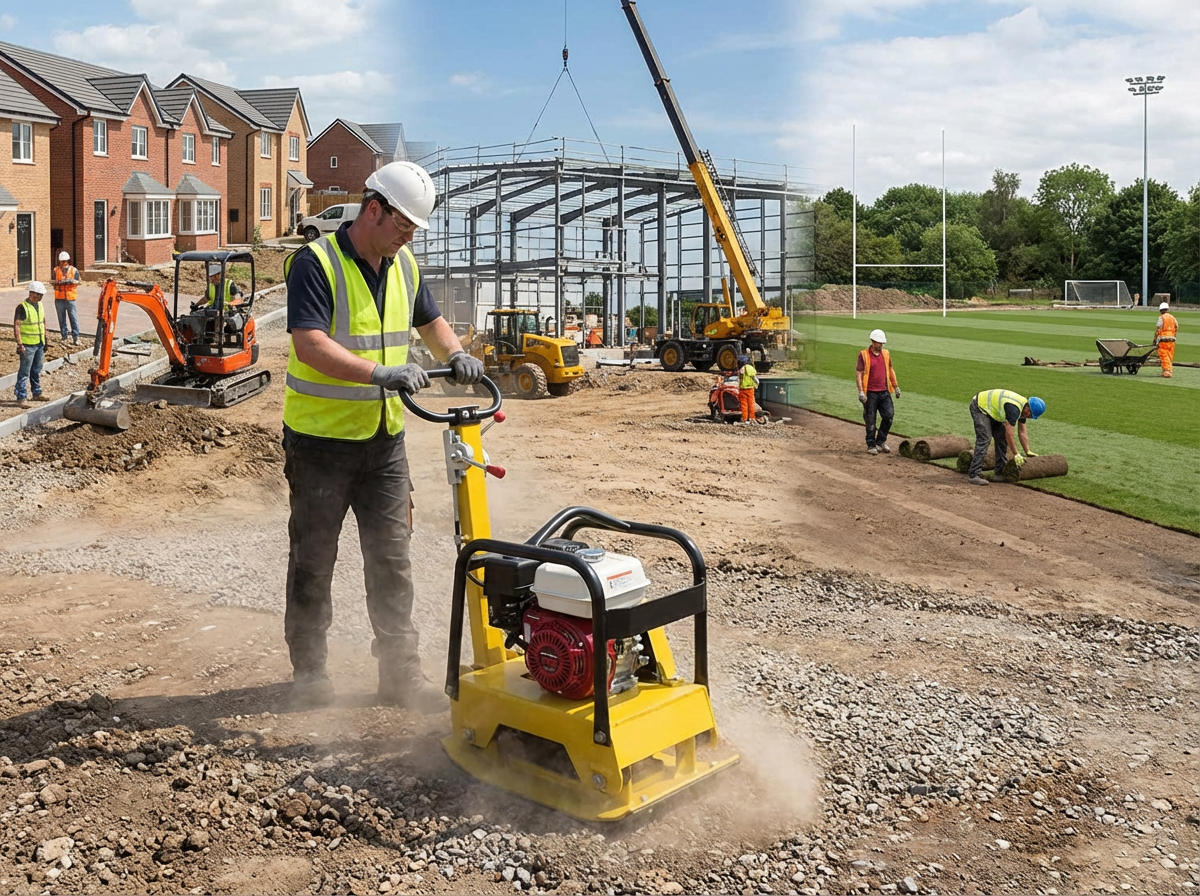
Increasing the number of passes raises fuel consumption and extends project duration. Efficiency improvements should instead focus on synchronisation and control.
Match paving machine output to roller fleet capacity to avoid temperature loss.
Begin rolling as soon as the mat supports the roller without displacement.
Use staggered roller sequences to maintain continuous compaction within the temperature window.
Monitor surface temperature using infrared sensors to guide timing decisions.
Intelligent compaction systems can record pass counts and stiffness data, providing visual maps of coverage. When properly interpreted, this data reduces guesswork and prevents unnecessary rework.
Mechanical condition has a measurable impact on compaction results. Wear within the eccentric vibration system reduces effective amplitude, even when settings appear unchanged. Bearing degradation increases vibration losses and can introduce irregular drum movement.
Hydraulic motor response influences travel speed consistency. Fluctuating speed alters vibration frequency interaction with the material. On pneumatic rollers, incorrect tyre inflation leads to uneven contact pressure. Regular calibration and inspection are therefore not administrative tasks but performance-critical activities.
Sensors used in intelligent compaction systems also require verification. Drift or calibration errors distort stiffness readings, leading to false confidence in density achievement.
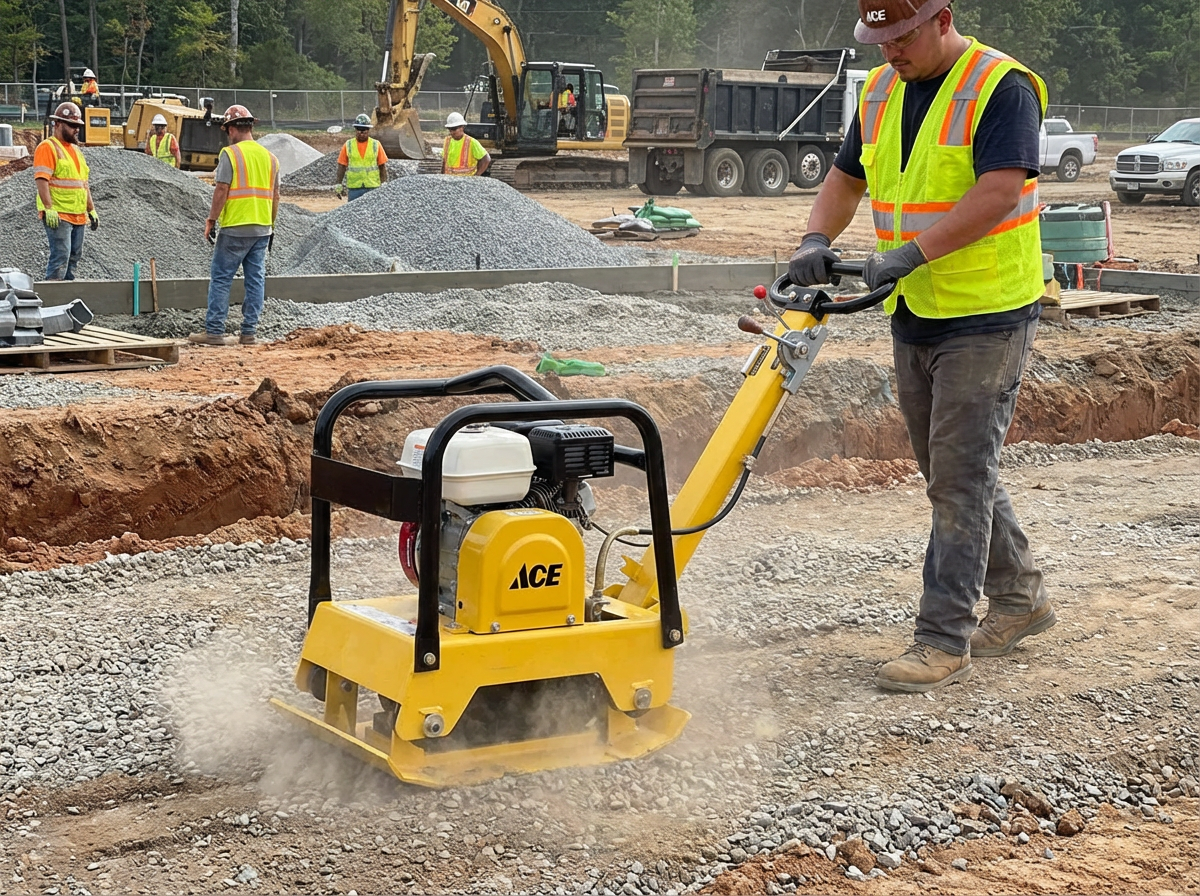
Intelligent compaction integrates accelerometers and onboard data processing to estimate material stiffness in real time. Unlike traditional methods that rely solely on nuclear density testing after rolling, these systems provide continuous feedback during operation.
However, intelligent compaction does not eliminate the need for engineering judgement. Stiffness values must be interpreted alongside temperature data, material properties, and layer thickness. Blind reliance on displayed metrics can produce misleading conclusions if calibration or boundary conditions are not considered.
When integrated into a disciplined quality control framework, intelligent systems enhance transparency and reduce variability across large projects.
As infrastructure specifications tighten and sustainability targets intensify, compaction equipment performance will be judged not only by achieved density but also by energy efficiency and data traceability. The integration of paving machines and road rollers into coordinated digital workflows is likely to become standard practice.
For engineers and maintenance teams, the priority remains clear: understand the interaction between machine settings, material behaviour, and site conditions. Road construction machinery delivers reliable results when its capabilities are aligned with engineering principles rather than routine habit. From first pass to final density verification, compaction remains a controlled process, not a mechanical repetition.

