Product knowledge popularization
A construction equipment supplier of construction machinery solutions for 30 years. WhatsApp:+86-18968212829
Language
A construction equipment supplier of construction machinery solutions for 30 years. WhatsApp:+86-18968212829
In modern road projects, road construction machinery determines whether a pavement reaches its design density, surface tolerance, and service life. From initial material placement to final compaction, the interaction between paving machines, compaction equipment, and road rollers shapes construction outcomes far more than material specifications alone. This article examines the full paving–compaction chain from an engineering and maintenance perspective, focusing on how equipment choice, setup, and operation influence productivity, quality, and long-term performance.
Typical asphalt and concrete road construction follows a defined sequence: base preparation, material placement, compaction, surface finishing, and marking. Among these stages, paving and compaction form the structural core of the pavement system. Errors introduced during paving cannot be fully corrected by compaction, while insufficient or poorly controlled compaction undermines even well-laid material.
This is why paving machines and road rollers must be considered as a linked system rather than independent assets. The output rate, layer thickness control, and temperature management of the paver directly affect how compaction equipment performs in the subsequent passes. Understanding this dependency is essential when specifying road construction machinery for any project scale.
Paving machines are responsible for placing asphalt or concrete at a controlled thickness, width, and crossfall. In asphalt applications, the screed system governs initial compaction and surface texture, while material delivery systems influence temperature consistency across the mat.
From a technical standpoint, paving performance depends on:
Feed system stability and avoidance of material segregation
Screed heating uniformity and response time
Automatic levelling accuracy under varying sub-base conditions
Asphalt paving machines must deliver a consistent mat that remains workable long enough for effective rolling. Any interruption in paving speed or material flow increases the risk of cold joints, which later appear as density failures during compaction testing.
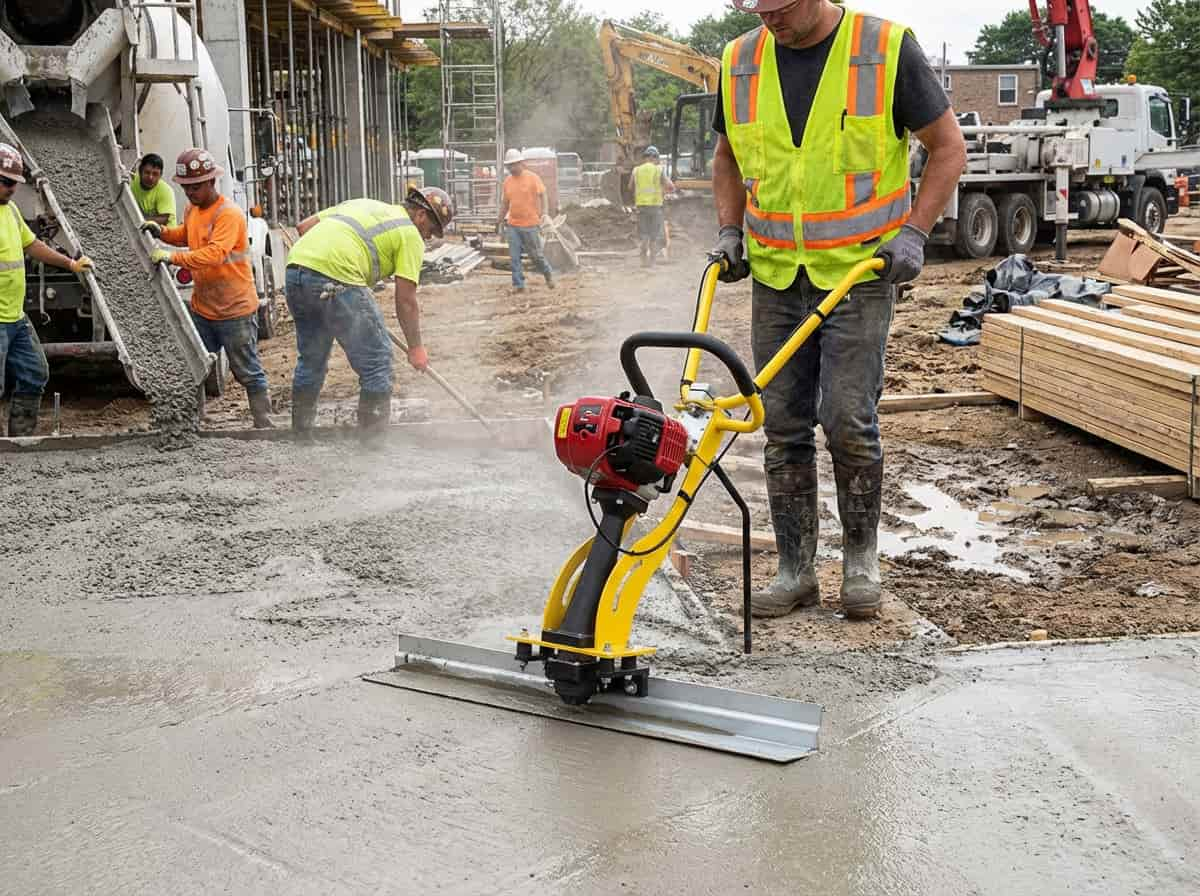
Road rollers form the backbone of compaction equipment in road construction. Their task is to reduce air voids, increase material interlock, and achieve target density without damaging the surface or underlying layers.
Common roller categories include:
Steel drum rollers for initial and intermediate asphalt compaction
Pneumatic tyre rollers for kneading action and surface sealing
Vibratory rollers for granular bases and thick asphalt layers
The choice between static and vibratory modes, as well as amplitude and frequency settings, must match layer thickness and material temperature. Excessive vibration on thin asphalt layers often leads to aggregate crushing or surface cracking, while insufficient energy results in low density readings.
Beyond paving machines and road rollers, auxiliary road construction machinery supports workflow continuity. Road marking machines, for example, operate after compaction but rely on a stable, well-compacted surface to ensure line durability. While secondary in function, these machines highlight the importance of achieving correct compaction before final finishing stages.
Paver selection should begin with project parameters rather than nominal machine size. Urban resurfacing demands compact machines with precise levelling control, while highway construction prioritises output capacity and uninterrupted material flow. Matching screed width and compaction capability to lane geometry reduces adjustment time and improves mat consistency.
From an efficiency standpoint, an oversized paving machine operating below optimal load often introduces speed fluctuations, which negatively affect downstream compaction equipment. Balanced capacity across the paving–rolling chain produces more predictable results.
Selecting road rollers requires evaluating material type, layer thickness, and ambient conditions. Asphalt mixes with modified binders respond differently to vibration compared with conventional mixes, requiring adjustments in rolling patterns and machine configuration.
For mixed-use projects, fleets combining steel drum and pneumatic tyre rollers provide flexibility. The steel drum establishes density, while the pneumatic roller refines surface texture and seals voids. Using a single roller type across all stages often leads to compromised results.
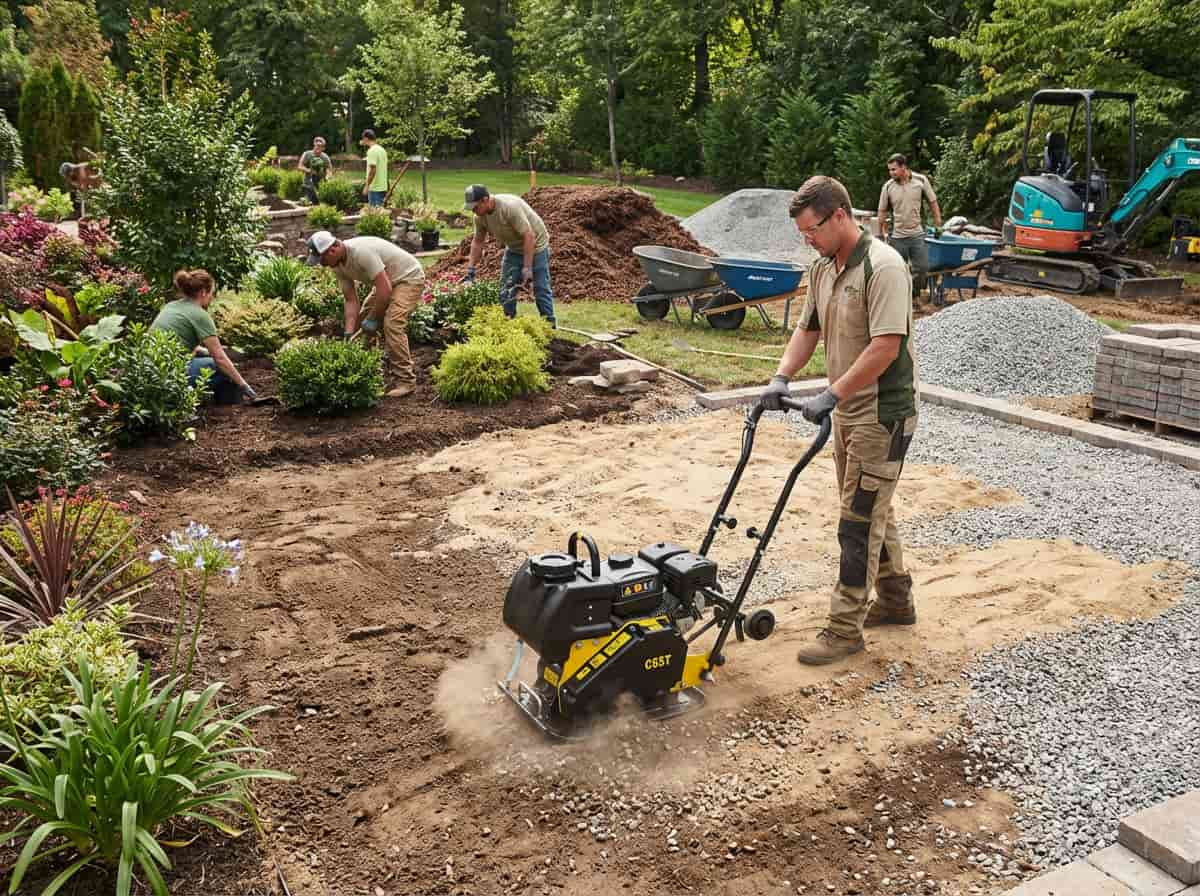
Construction efficiency improves when paving output and compaction capacity are synchronised. Delays between paving and rolling reduce material temperature, narrowing the effective compaction window. Experienced operators monitor mat temperature continuously and adjust rolling sequences accordingly.
Routine maintenance also affects productivity. Worn drums, uneven tyre pressures, or malfunctioning vibration systems reduce compaction effectiveness and increase the number of required passes, directly impacting fuel use and labour hours.
Recent developments in paving machines focus on reducing fuel consumption while maintaining consistent material placement. Improved hydraulic efficiency, adaptive engine speed control, and more effective screed heating systems lower overall energy demand without altering paving quality.
From a maintenance perspective, cleaner combustion and reduced thermal stress translate into longer service intervals and fewer heat-related component failures.
Modern compaction equipment increasingly incorporates energy-efficient vibration systems and noise reduction measures. Variable-frequency drives allow operators to apply only the compaction energy required for the specific layer, avoiding unnecessary fuel burn and material damage.
Reduced noise and vibration exposure also improves operator working conditions, which indirectly supports consistent rolling patterns and fewer operational errors.
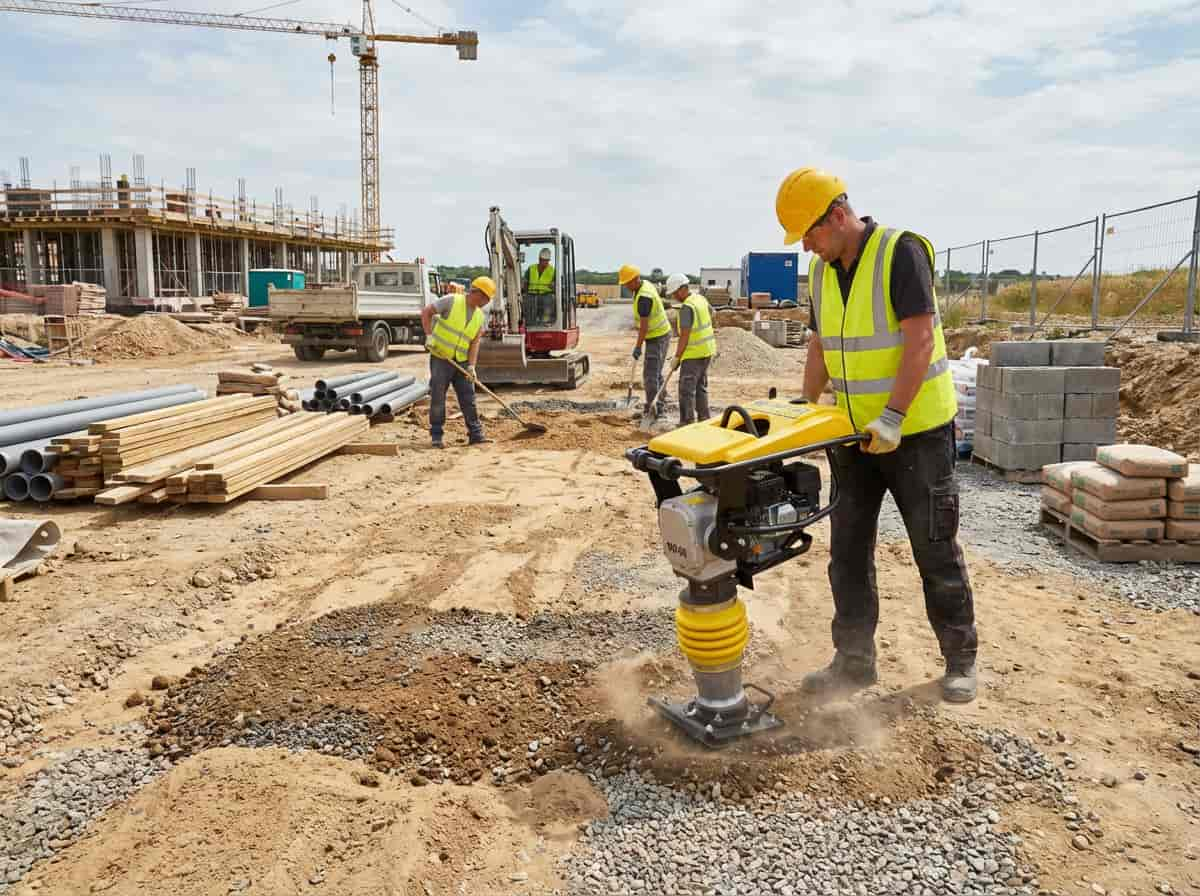
The future of road construction machinery lies in tighter integration between paving machines and road rollers. Intelligent compaction systems already provide real-time feedback on stiffness and pass coverage, enabling operators to adjust rolling strategies based on measured data rather than fixed assumptions.
Digital monitoring of machine performance, including vibration response and thermal behaviour, supports predictive maintenance and reduces unplanned downtime. For contractors and engineers, these developments shift decision-making from reactive correction to proactive control.
As infrastructure demands grow and environmental constraints tighten, road construction machinery will continue evolving towards higher precision, lower energy use, and stronger data integration. Understanding the technical relationship between paving and compaction equipment remains essential for achieving durable, compliant road structures.

