Product knowledge popularization
A construction equipment supplier of construction machinery solutions for 30 years. WhatsApp:+86-18968212829
Language
A construction equipment supplier of construction machinery solutions for 30 years. WhatsApp:+86-18968212829
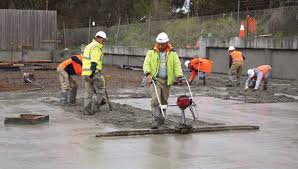
Choosing concrete screed machinery sounds simple until the concrete truck arrives, the slab is wider than expected, and someone says, “This should be fine.” On a real jobsite, “fine” can quickly become uneven surfaces, tired operators and extra finishing work. A concrete screed machine should match the slab size, concrete condition, working width, site access and required surface flatness. The right machine helps the crew level wet concrete smoothly and keep the project moving. The wrong one may still work, but it will make everyone work harder than necessary.
Concrete screed machinery is used to level freshly poured concrete before final finishing. It strikes off excess concrete, helps control slab thickness and prepares the surface for later floating or trowelling. Some machines also add vibration, which helps the surface settle more evenly. This is why many buyers search for terms such as concrete screed machine, vibrating screed or concrete levelling machine when they want faster and more consistent slab work.
A screed machine is not the same as an internal concrete vibrator. A vibrator works inside the concrete to remove trapped air and reduce honeycombing. A screed works across the surface to level the slab. In simple words, the vibrator looks after what happens inside the concrete, while the screed looks after what people will walk, drive or build on later. Both matter, but they do different jobs, and mixing them up can lead to the kind of concrete problem nobody wants to explain to the project manager on Monday morning.
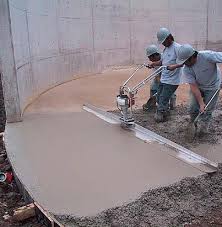
A power screed is one of the most common choices for contractors working on driveways, house slabs, pavements, small warehouses and repair areas. It normally uses a petrol engine, electric motor or battery-powered drive unit connected to a screed blade. The machine vibrates the blade while the operator pulls it across wet concrete. Compared with manual screeding, it reduces labour and gives a more consistent surface, especially when the crew has several pours in one day.
The main advantage of a power screed is portability. It can be moved between jobs without a truck full of extra equipment, and different blade lengths can be used for different slab widths. When choosing this type of concrete screed machine, buyers should check blade material, engine reliability, handle comfort, vibration control and spare parts availability. A light machine is pleasant to carry, but it still needs enough strength to stay stable on wet concrete. For contractors who regularly handle concrete slabs, choosing reliable concrete finishing equipment can improve surface quality, reduce repeated manual correction and make daily site work easier to manage.
A vibrating screed is useful when the contractor wants both levelling and surface vibration. The vibration helps the blade move smoothly across the concrete and improves contact between the concrete and the screed profile. This can reduce small surface waves and make the next finishing step easier. It is especially practical for slabs, pathways, floors and general concrete flatwork.
The buyer should not simply choose the strongest vibration available. Too little vibration may leave the surface rough, but too much vibration can disturb the mix, especially if the concrete is already very wet. Good site work is not a competition to see which machine shakes the most. The goal is controlled, even movement that helps the concrete settle without making the surface watery or weak.
A truss screed is better suited to wider or longer concrete pours, such as road sections, bridge decks, industrial yards and large flat slabs. It uses modular truss sections to cover a larger working width. This gives better control across wide areas where a small power screed would require too many passes. For repetitive long pours, a truss screed can save time and improve consistency.
However, it also needs more preparation. The forms or rails must be properly set, the working width must be planned, and the crew must understand how to guide the machine. A truss screed is a strong tool, but it is not a magic broom that fixes poor concrete placement. If the concrete is badly distributed before screeding, the machine still has to fight the mess.
A laser screed is used when floor flatness and productivity are the main concerns. It is common on large warehouse floors, logistics centres and industrial buildings where forklifts, racking systems or automated equipment need a very level surface. The machine uses laser control to maintain elevation, which can reduce manual checking and improve slab accuracy.
A roller screed works differently. It uses a rotating tube to spread and level concrete, making it useful for slopes, drainage channels, pervious concrete and some formed surfaces. These machines are not always needed for ordinary slab work, but they solve problems that a standard vibrating screed may not handle well.
For small residential slabs, patios, driveways and repair work, a power screed is usually practical because it is easy to move, simple to operate and affordable for small crews. For commercial slabs and general flooring work, a vibrating screed gives better surface control while still keeping the equipment manageable. For roads, bridges and long concrete strips, a truss screed is often more efficient because it covers a wider area in fewer passes.
For large warehouse floors or industrial projects with strict flatness requirements, a laser screed may make sense. The purchase cost is higher, but the value comes from productivity, accuracy and reduced finishing correction. For rental companies and dealers, the decision should be based on local demand. A machine that fits common jobsite needs will rent or sell faster than a machine that looks impressive but sits in the yard like an expensive statue.
The first factor is working width. A blade that is too short increases labour, while a blade that is too long may be hard to control in narrow areas. The second factor is machine weight. A screed should be stable during operation but not so heavy that operators avoid using it. The third factor is power source. Petrol engines are common on outdoor jobs, electric models suit areas with stable power, and battery options can help where noise and fumes are concerns.
Buyers should also consider concrete slump, vibration frequency, blade replacement, handle design, transport size and daily maintenance. A good concrete screed machine should be easy to clean after use because dried concrete has a special talent for becoming part of the machine forever. Bolts, bearings, rubber mounts, throttle cables and blades should be checked regularly. For dealers, spare parts support is not a small detail. It decides whether customers come back happily or come back carrying a broken machine and a serious face.
For dealers, rental companies and project buyers, working with a dependable construction machinery supplier also helps reduce spare parts delays, after-sales pressure and model selection mistakes. This is especially important when the equipment will be used by different operators, transported between sites and expected to survive daily concrete work without constant repair.
The first mistake is buying only by price. A cheaper screed may save money at the beginning, but if it vibrates unevenly, bends easily or has poor parts support, the real cost appears during construction. The second mistake is choosing the widest machine without checking site access. A wide screed is useful on open slabs, but not much fun in a narrow courtyard or basement project.
The third mistake is expecting one machine to handle every concrete job. Power screeds, vibrating screeds, truss screeds, roller screeds and laser screeds all have their place. The correct choice depends on slab size, flatness requirement, crew skill, project frequency and budget. For most buyers, the smartest machine is the one that fits their regular jobs, not the one that wins a beauty contest in the catalogue.
For small slabs, driveways and residential concrete work, a power screed is usually practical because it is portable, simple to operate and suitable for small crews.
A vibrating screed is useful when you need better surface control and smoother levelling on slabs, pavements, floors and general concrete flatwork.
A truss screed is better for wide or long pours, while a power screed is easier to move and more suitable for smaller projects. The better choice depends on the job, not the name.
No. A laser screed is valuable for large floors with strict flatness requirements, but smaller warehouse slabs may still be handled well with suitable vibrating or truss screed equipment.
Clean wet concrete from the machine after use, inspect blades and bolts, check belts or bearings, service the engine on schedule and replace worn vibration parts before they affect surface quality.

