A construction equipment supplier of construction machinery solutions for 30 years. WhatsApp:+86-18968212829
Language
A construction equipment supplier of construction machinery solutions for 30 years. WhatsApp:+86-18968212829
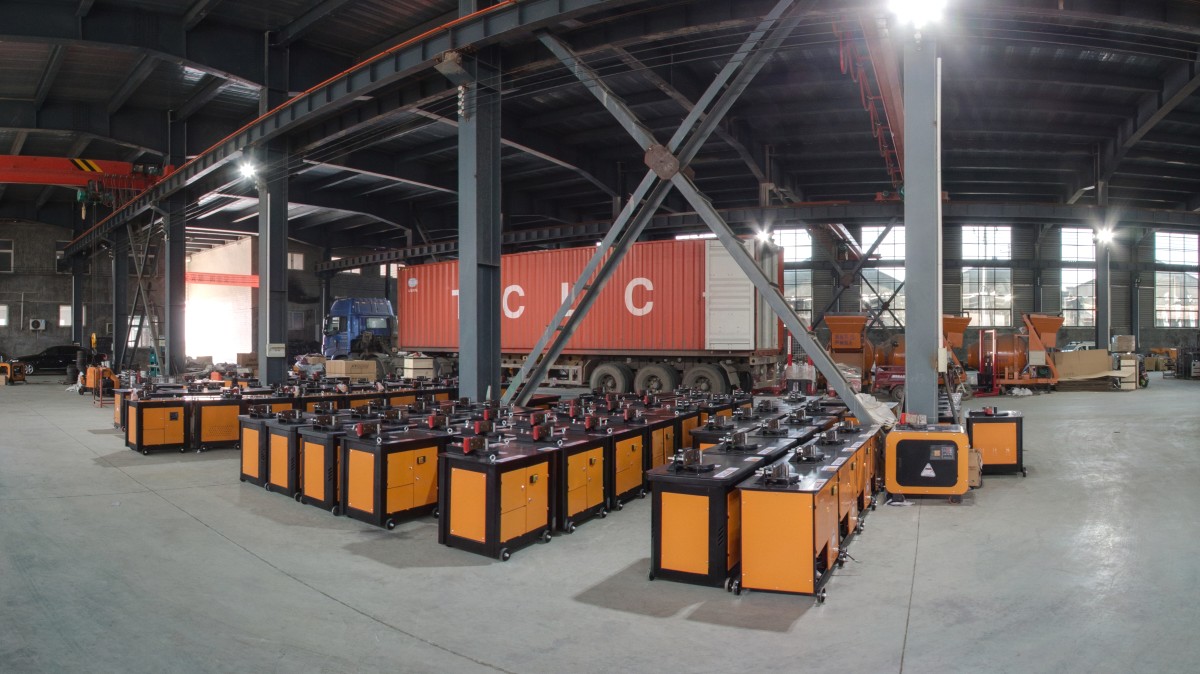
If you're comparing a GQ40 vs GQ50 rebar cutter, the first thing to check isn't the size of the motor or the number in the model name. It's the steel you need to cut. Bar diameter, steel grade and the amount of cutting required during a normal working day will tell you much more about which machine belongs in your workshop.
Take ACE's published specifications as an example. The GQ40B, GQ40E and GQ50E are all listed with a maximum cutting diameter of 32 mm for the material described as Grade II threaded rebar. The GQ50A, meanwhile, is rated up to 36 mm for that material. So moving from a GQ40 to a GQ50 does not always mean you can cut thicker deformed reinforcement.
That difference matters when you're spending money on equipment for a construction site or reinforcement processing workshop. A machine that's too small can hold up production, but buying a heavier model without gaining the capacity you actually need is hardly a better result.
Let's look at what the GQ40 and GQ50 specifications tell us, where they need further checking, and how to make a sensible choice based on the work your machine will face.
The GQ40 and GQ50 names identify different machine families, but they aren't universal cutting-capacity standards. The performance of each machine depends on its configuration, and the same model family can contain versions with different cutting limits.
ACE offers GQ40A, GQ40B and GQ40E models, as well as GQ50E, GQ50A and GQ50D versions. Looking at their specifications side by side reveals differences that aren't obvious from the names alone.
Within ACE's GQ40 range, the GQ40A is listed for plain carbon steel up to 30 mm, while the GQ40B and GQ40E have a published limit of 40 mm. The same difference appears in the company's Grade II threaded-rebar figures: 22 mm for the GQ40A, compared with 32 mm for the GQ40B and GQ40E.
The GQ50 family follows a similar pattern. The GQ50E and GQ50D are listed up to 42 mm for plain carbon steel and 32 mm for Grade II threaded rebar. The GQ50A has higher published limits of 45 mm and 36 mm respectively.
In other words, a GQ50A and a GQ50E shouldn't be treated as the same machine simply because both names begin with GQ50.
Not necessarily. ACE's main specification tables list 3 kW electric motors for the GQ40B/E and 4 kW motors for the GQ50E/A. Yet the GQ40B/E and GQ50E share the same published 32 mm maximum for Grade II threaded rebar.
Motor power is useful information, but it doesn't tell the whole story. The cutting mechanism, mechanical transmission, blade arrangement and material being cut all affect the machine's rated capability.
For that reason, it's better to check the material-specific cutting rating before comparing horsepower or kilowatts. Otherwise, it's rather like choosing a lorry by engine size without checking what it's actually allowed to carry.
| Specification | GQ40B / GQ40E | GQ50E / GQ50A |
|---|---|---|
| Plain carbon steel | 6–40 mm | GQ50E: 6–42 mm; GQ50A: 6–45 mm |
| ACE-listed Grade II threaded rebar | 6–32 mm | GQ50E: 6–32 mm; GQ50A: 6–36 mm |
| Electric motor | 3 kW in the main series table | 4 kW |
| Net weight | 320 / 340 kg | 485 / 509 kg |
| Main buying consideration | Does the rated capacity cover your regular steel sizes? | Does the exact GQ50 version offer a capacity or configuration advantage you need? |
These figures come from ACE's published model tables. They are useful for comparing the product range, although they should not be treated as independent cutting-test results. There is also a discrepancy between ACE's main GQ40E specification and one of its separate GQ40E product pages, which we'll address below.
You can review the broader ACE steel bar cutting and bending equipment range if your requirements extend beyond these two cutter families.
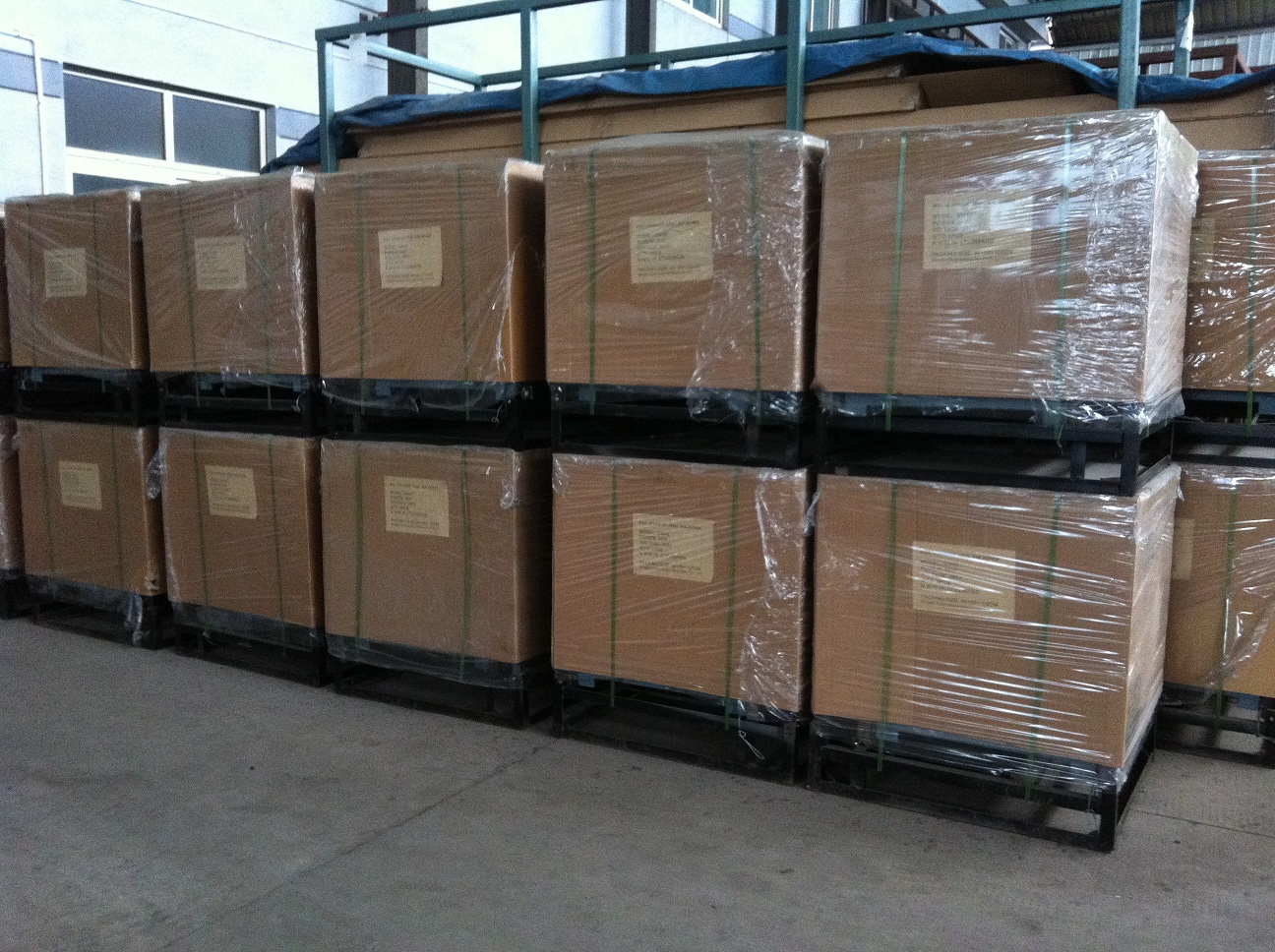
Once you've narrowed the choice to GQ40 or GQ50, the next step is to compare individual versions. This is particularly useful when quotations from different suppliers list only a model name without a complete technical sheet.
The table below brings together the ratings published in ACE's GQ40 series specifications and GQ50 series specifications.
| ACE Model | Plain Carbon Steel | Grade II Threaded Rebar* | Motor / Engine | Net Weight |
|---|---|---|---|---|
| GQ40A | 6–30 mm | 6–22 mm | 2.2 kW electric | 290 kg |
| GQ40B | 6–40 mm | 6–32 mm | 3 kW electric | 320 kg |
| GQ40E | 6–40 mm** | 6–32 mm** | 3 kW electric** | 340 kg** |
| GQ50E | 6–42 mm | 6–32 mm | 4 kW electric | 485 kg |
| GQ50A | 6–45 mm | 6–36 mm | 4 kW electric | 509 kg |
| GQ50D | 6–42 mm | 6–32 mm | 12.5 HP diesel engine | 619 kg |
*The material description follows ACE's published terminology. It should not be assumed to represent an equivalent cutting rating for every international reinforcement grade.
**The GQ40E values shown above come from ACE's main series table. A separate GQ40E page gives different cutting diameters and weight information, while its general description also conflicts with its motor specification table. Ask ACE to confirm the exact configuration supplied.
The GQ40A has the lowest published cutting capacity among the three models. It may be worth considering when the confirmed steel sizes fall within its rating and a larger machine isn't needed.
The GQ40B and GQ40E provide a wider published cutting range. For contractors regularly working with steel within their approved limits, these models may be sufficient without moving to a heavier GQ50 configuration.
The GQ40E does require an extra specification check. ACE's standalone product page lists smaller cutting diameters than the main family table and a different machine weight. Its motor description is also inconsistent. These differences could reflect a different version or outdated content, but that hasn't been established. Until the supplier confirms the exact machine, the figures should remain separate.
The GQ50E increases the published plain-carbon-steel limit slightly compared with the GQ40B/E. For ACE's Grade II threaded rebar, however, it remains at 32 mm. If that material makes up most of your workload, the larger frame and 4 kW motor don't automatically give you a larger approved diameter.
The GQ50A offers a more substantial difference for the same material category, with a published limit of 36 mm. This is the model worth examining if your work includes larger bars that fall outside the GQ40B/E rating, provided their steel grade is confirmed as suitable.
The GQ50D brings a different benefit: diesel power. It may be useful where a suitable electricity supply is unavailable, although the buyer should also consider fuel supply, engine servicing, exhaust management and local operating requirements.
So the question isn't simply whether a GQ50 is stronger than a GQ40. It's whether the particular GQ50 configuration solves a problem that the GQ40 cannot.
On a reinforcement schedule, diameter is usually easy to spot. Steel grade can be less obvious, especially when a purchasing team is comparing machinery sold under different national specifications.
Yet the grade matters. Two bars of the same nominal diameter can have different mechanical properties, and a cutting rating established for one material cannot automatically be applied to another.
ACE separates plain carbon steel and Grade II threaded rebar in its product tables. Across the models reviewed here, the maximum diameter for the threaded material is lower than the figure given for plain carbon steel.
Take the GQ40B. Its published maximum is 40 mm for plain carbon steel, but 32 mm for the listed Grade II threaded rebar. The GQ50A is rated at 45 mm and 36 mm respectively.
These two figures should never be swapped when preparing a quotation. If a customer asks for a machine to cut 40 mm deformed reinforcement, a 40 mm plain-steel rating isn't enough evidence that the machine can do the job.
There is a useful bit of engineering behind these figures. The cross-sectional area of a solid round bar increases with the square of its diameter. A 36 mm bar, for example, has about 27% more nominal cross-sectional area than a 32 mm bar.
That doesn't mean the cutter needs exactly 27% more force. The steel's strength, cutting geometry, blade condition and machine mechanism also matter. But it does show why an extra 4 mm of diameter can make a noticeable difference to the task.
For procurement, the lesson is to record both the largest bar and the strongest steel grade expected on the project. Looking only at the most frequently used diameter can leave you short of capacity when a less common but more demanding bar arrives.
Overseas projects may specify reinforcement under ASTM, EN or national steel standards. These standards describe material properties, dimensions and requirements that may differ from the terminology used in a manufacturer's catalogue.
For example, ASTM A615/A615M covers deformed and plain carbon-steel bars for concrete reinforcement. It doesn't, however, certify the cutting capacity of an ACE GQ40 or GQ50 machine.
The term “Grade II threaded rebar” in ACE's specification table shouldn't be treated as automatically equivalent to ASTM Grade 60, European B500B or another named grade. If your project uses one of these materials, send the relevant steel specification to ACE and request confirmation of the cutter's rated capacity.
That extra email is worth sending before purchase. Discovering a steel-grade mismatch after a machine has travelled halfway around the world is a far less convenient way to learn the same lesson.
It's a reasonable question, particularly for buyers responsible for a reinforcement workshop. A heavier machine with a larger motor may look like the obvious choice for higher output, but catalogue cutting capacity and actual production are not the same thing.
Daily output depends on the whole cutting process. Bars need to be brought to the machine, measured, positioned, cut and moved out of the way. On some jobs, the cutting stroke takes only a small part of the total working time.
ACE's GQ40 and GQ50 tables include figures written as “32t/min” and “28t/min”. The current pages don't clearly define the unit or explain the test conditions.
Until that information is confirmed, those figures should not be advertised as a guaranteed number of finished steel bars per minute. They may describe a machine-cycle measurement, but the source information isn't sufficient to establish that interpretation.
If production output matters to the purchasing decision, ask for a clearly defined cutting-cycle rating and, where possible, a demonstration using the steel sizes your workshop processes most often.
Imagine a workshop that needs to produce 600 cut lengths during six productive working hours. The full process would need to average 100 finished pieces per hour, or roughly 1.7 per minute.
That's a planning example, not an ACE performance claim. It helps show why you need to consider the operator, material handling, measuring equipment and offcut removal alongside the cutter itself.
A reliable length stop and a well-organised feeding area may make more difference to daily output than a small change in the machine's cutting-cycle speed. This is particularly true when the workshop produces repeated lengths for beams, columns or precast reinforcement cages.
Don't assume that several smaller bars can be cut together simply because their diameters add up to less than the machine's maximum rating. Cutting multiple bars changes how the load reaches the blades and how the material is supported.
Where multiple-bar cutting is required, ask ACE to confirm the permitted number of bars, their diameter and the steel grade. Without that information, it would be unsafe and misleading to calculate production from an assumed number of bars per stroke.
| Question for the Supplier | Why It Matters |
|---|---|
| How many finished cuts are required each shift? | Defines the actual production target |
| Which bar diameters are processed most often? | Shows the machine's normal workload |
| What is the strongest specified steel grade? | Helps confirm cutting capacity |
| Are most bars cut to repeated lengths? | Shows whether measuring stops and material handling need attention |
| Is cutting more than one bar per stroke required? | Requires model-specific approval |
The same cutter won't necessarily be the most practical choice for a building site, a precast factory and a reinforcement processing yard. Each works with different quantities, working spaces and power supplies.
Before comparing prices, it helps to picture how the machine will be used on a typical day.
On a building site, a cutter may handle several reinforcement sizes during the same project. The crew also needs enough room to feed long bars, collect cut pieces and work without blocking other trades.
If the actual reinforcement schedule stays within a confirmed GQ40 rating, a GQ40 model may be sufficient. A GQ50 becomes relevant when its specific capacity or configuration offers a genuine benefit for the required work.
Transport deserves attention too. These machines are substantial pieces of equipment, so moving them between sites needs suitable lifting and loading arrangements.
Workshops often process repeated lengths in larger quantities. Here, productivity depends heavily on a consistent workflow, convenient measuring arrangements and parts availability.
For a workshop that mostly cuts bars within the GQ40B/E's approved range, buying a GQ50E won't necessarily provide a wider Grade II threaded-rebar capacity. The decision should be based on verified performance and production requirements rather than motor power alone.
Where larger approved diameters are needed, the GQ50A deserves closer consideration. Just make sure the published material category matches the steel you actually buy.
Infrastructure projects can involve larger reinforcement sizes and more demanding material specifications. Rather than selecting a machine from a general project label such as “bridge construction”, work from the actual bar bending schedule and material certificates.
Identify the largest diameter, the strongest steel grade and any special cutting requirements. Then ask the supplier to confirm which machine can handle those materials under its approved operating conditions.
Power supply may settle part of the decision before cutting capacity is even considered. ACE lists a GQ50D diesel configuration with a 12.5 HP engine, which may be worth investigating for a site without suitable electrical infrastructure.
Diesel equipment brings its own considerations, including fuel storage, servicing, exhaust ventilation and local emissions requirements. A remote-site solution needs to be practical for the full working period, not just capable of starting on delivery day.
| Work Environment | Main Requirement | Selection Direction |
|---|---|---|
| General building site | Different bar sizes and manageable equipment layout | Start with the actual steel schedule and verified GQ40 ratings |
| Precast or reinforcement workshop | Consistent output and spare-parts support | Compare approved capacity and the complete cutting workflow |
| Bridge or infrastructure project | Material-specific cutting capability | Verify the exact GQ50 or other model against the strongest steel required |
| Remote construction site | Available power and maintainability | Check whether a suitable diesel or electric configuration is more practical |
Once the cutting capacity is confirmed, the remaining specifications help determine whether the machine will be convenient to own and operate. A cutter may be technically capable of cutting the required steel but still be awkward to install in the available workshop.
ACE's main tables list 3 kW electric motors for the GQ40B/E and 4 kW motors for the GQ50E/A. This is useful when planning the electrical installation and comparing equipment configurations.
It isn't a replacement for the material-specific cutting rating. The GQ50E example makes that clear: its listed motor is larger, but its published Grade II threaded-rebar maximum is the same as the GQ40B/E's.
The main electric model tables show a 380 V supply and 2,800 r/min motor speed. Overseas buyers should still confirm the actual supply voltage, phase, frequency, starting requirements and local electrical compliance for the machine being offered.
This step is easy to miss when the purchasing decision is focused on steel diameter. Unfortunately, a cutter that cannot be connected to the workshop supply isn't much use, regardless of how attractive its capacity looks on paper.
Machine weight matters for transport, unloading and positioning. According to ACE's published figures, the GQ50 electric models are considerably heavier than the GQ40 versions.
But the cutter's footprint is only part of the space requirement. Long bars need straight, stable support, and operators need room to work around the feeding and discharge areas.
A good workshop layout lets the steel move through the cutting process without unnecessary lifting or repeated handling. This often has a greater effect on everyday comfort and productivity than people expect when comparing catalogue dimensions.
Buying the machine is the beginning of its working life, not the end of the purchasing decision. Once the cutter is in service, blade condition, lubrication and spare-parts availability all affect downtime and operating costs.
The blades carry out the actual shearing work, so their condition matters. Worn or damaged cutting edges can affect the quality of the cut and place unnecessary strain on the machine.
Operators should follow the supplied manual for inspection, adjustment and blade replacement. If cutting becomes unusually difficult or produces poor results, the machine should be stopped and checked rather than forced through the next bar.
There is no reliable universal blade-life figure for all GQ40 and GQ50 applications. Wear depends on the steel, cutting frequency, alignment, maintenance and blade specification.
ACE's technical material describes steel bar cutters using mechanical components such as gears, crankshafts, connecting rods and blade holders. These parts work together to produce the cutting movement.
Lubrication and mechanical inspection are therefore part of normal maintenance. However, the exact service intervals and replacement parts should come from the manual for the specific machine, rather than from a general description of the product family.
For businesses stocking several cutters, spare-parts compatibility can affect the cost of supporting customers. Before ordering a batch of machines, ask which blades, fasteners and mechanical components are shared between models.
Don't assume that a part described simply as “GQ50 blade” fits every GQ50 version. A model-specific part number or drawing is a much safer way to order replacements.
For practical operating checks, ACE has a separate steel bar cutting machine maintenance and common problems guide. Its guide to cutting rebar safely also covers the basic site precautions and cutting procedure, so there is no need to repeat the full operating instructions here.
By this stage, the choice usually becomes clearer. The remaining task is to put the information into a form the supplier can use.
Rather than asking for “one GQ50 machine”, send the steel details and working requirements. That gives the manufacturer a better chance of matching the quotation to the actual application.
| Check | Information to Provide | Reason |
|---|---|---|
| Steel material | Applicable standard and grade | Confirms material compatibility |
| Bar profile | Plain round steel or deformed reinforcement | Prevents use of the wrong rating |
| Bar diameter | Normal working sizes and maximum size | Establishes required capacity |
| Daily workload | Typical and peak finished cuts per shift | Supports productivity assessment |
| Power supply | Voltage, phase, frequency or diesel requirement | Checks site compatibility |
| Installation | Available space, feeding arrangement and transport | Helps plan workshop use |
| After-sales support | Blade specifications, parts and service requirements | Reduces ownership and downtime risks |
Consider a buyer who regularly cuts 28 mm deformed bars and occasionally handles larger sizes. The first step is to confirm the material grade. Only then should the buyer compare the machine's verified cutting limit with both the regular and occasional workload.
If the steel falls within an approved GQ40 rating, upgrading may not be necessary. If the project genuinely needs the higher material-specific rating listed for the GQ50A, that becomes a good reason to investigate the larger model.
For bars close to the machine's published limit, or materials not clearly covered by the manufacturer's table, request written confirmation and any relevant test information before ordering.
ACE offers several models within both cutter families, so there is room to match the equipment to different cutting requirements. The sensible approach is to use the published tables to narrow the options, then confirm the configuration that will actually be supplied.
The ACE GQ40 rebar cutter range includes models with different cutting limits and motor specifications. The GQ40A has lower published capacity, while the GQ40B and GQ40E are listed for larger bar diameters in the main family table.
For the GQ40E, the conflicting standalone specifications should be resolved before purchase. Ask for the current technical sheet showing the exact machine's motor, weight, blade details and approved cutting capacity.
The ACE GQ50 steel bar cutter range includes two electric configurations and a diesel version. The GQ50A has the highest published Grade II threaded-rebar diameter among the six models compared here.
The GQ50E and GQ50D have different power sources but share the same listed maximum diameter for that material. For buyers, this is a reminder to separate the cutting requirement from the power-source decision.
Whichever version you are considering, request the exact supplied model and the technical information relevant to your steel. That will make comparing quotations far more useful than a general claim about GQ40 or GQ50 performance.
The main difference is the configuration and rated capacity of the specific model. ACE's GQ50 electric machines have higher listed motor power and weight than its GQ40B/E models, but this does not always increase the maximum cutting diameter for every steel type. The steel grade and exact model should be checked first.
ACE's main table lists the GQ40B and GQ40E for plain carbon steel up to 40 mm. For the material it describes as Grade II threaded rebar, the maximum is 32 mm. The GQ40A has lower published limits. Always identify the bar material before using the larger figure.
The ACE GQ50 models reviewed here do not have a published 50 mm rating for Grade II threaded rebar. The GQ50E and GQ50D are listed up to 32 mm, while the GQ50A is listed up to 36 mm. A GQ50 nameplate does not establish a 50 mm deformed-bar capacity.
Not according to ACE's main family tables for Grade II threaded rebar. Both show a maximum of 32 mm. However, a separate GQ40E product page contains different specifications, so buyers should confirm the exact supplied GQ40E configuration before making a final comparison.
Not automatically. Higher motor power does not guarantee a larger approved cutting diameter or higher finished output. Compare the rated capacity for your actual steel, the expected workload, electrical supply and the machine's mechanical configuration before choosing.
It may handle several materials, provided each falls within the manufacturer's confirmed rating. Steel grades can have different mechanical properties, so the maximum diameter approved for one material should not automatically be applied to another. Ask for written confirmation when the grade is not clearly covered by the specification.
Include the steel standard, grade, normal and maximum bar diameters, required cutting quantity, available power supply and delivery destination. If you need a diesel machine, multiple-bar cutting or specific spare blades, include those details too. This helps the supplier recommend a suitable model rather than simply the largest one available.
The clearest way to choose between a GQ40 and GQ50 is to work backwards from the steel. Start with the material grade and diameter, compare the exact machine's approved rating, then look at daily workload, power supply and maintenance.
For some workshops, a properly matched GQ40 will cover the work without the extra weight of a larger machine. Others may need the capacity of a particular GQ50 configuration. Neither choice should be made from the model number alone.
If you're comparing ACE cutters, send the relevant reinforcement schedule and ask for the current specification of the proposed machine. A few accurate details at the enquiry stage can save a great deal of trouble when the first batch of steel reaches the cutting bench.

