Product knowledge popularization
A construction equipment supplier of construction machinery solutions for 30 years. WhatsApp:+86-18968212829
Language
A construction equipment supplier of construction machinery solutions for 30 years. WhatsApp:+86-18968212829
You get safe and good results with a power trowel when you wear the right safety gear. Check your equipment before you use it. Pick the best time to start working.
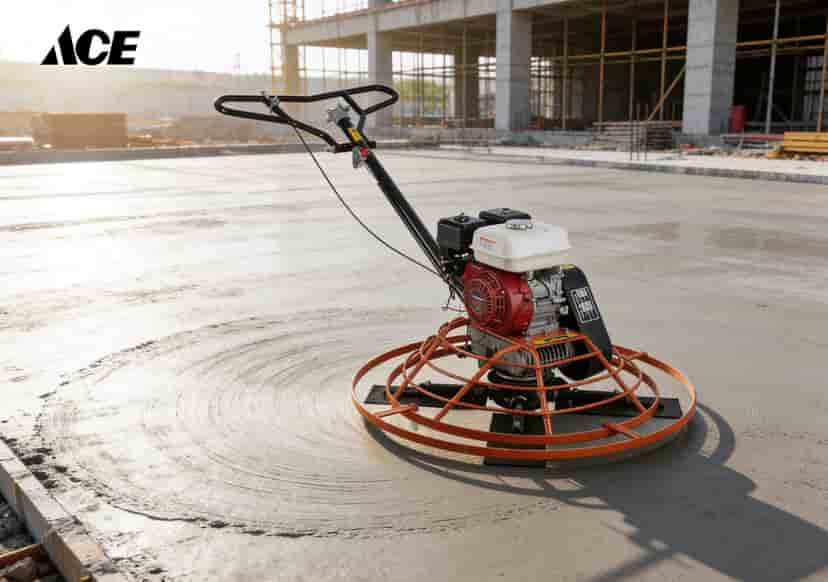
Always wear safety gear like gloves, eye protection, and steel-toed boots. This gear keeps you safe from getting hurt when you use the power trowel.
Check your power trowel for damage before you use it. Look for loose parts and make sure everything is working well. This helps stop accidents from happening.
Begin troweling at the right time, which is usually 1.5 to 4 hours after you pour the concrete. This timing helps you get a smooth finish.
You need to choose a power trowel that matches your job. Think about the size of the area and the type of surface you will finish. Some jobs need a heavy-duty machine, while others work better with a smaller model. Look at the blade type, size, and speed. These features help you get the right finish. Always check your budget and pick a machine from a trusted manufacturer.
Tip: Make a list of your job needs before you buy or rent a power trowel.
Before you start, inspect your power trowel for any damage. Check for loose parts or worn components. Look at the drive belt for signs of wear or if it feels too loose. Make sure the clutch works well and does not slip. Examine the gearbox and main shaft for cracks or other problems. Remove any foreign objects stuck in the blades. A careful inspection keeps you safe and helps your machine last longer.
Check the fuel and oil levels before you use your power trowel. Low oil can cause engine damage or even make the engine stop working. Not enough fuel can lower the machine’s power and slow your job. If you see oil leaks, fix them right away. Keeping the right levels helps your power trowel run smoothly and last longer.
Wear the right safety gear every time you use a power trowel. Gloves protect your hands from sharp edges. Eye protection keeps dust and debris out of your eyes. Steel-toed boots shield your feet from heavy parts. This gear keeps you safe and ready for any job.
Remember: Safety gear is not optional. It is your first line of defense.
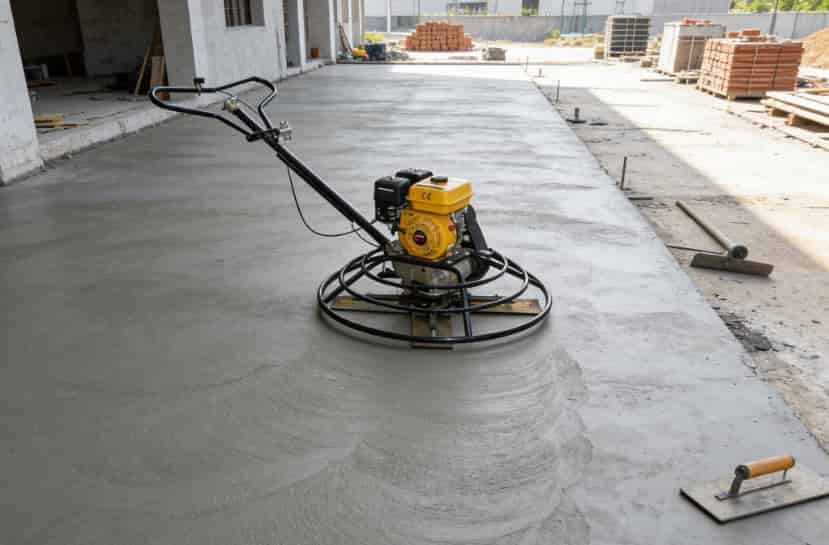
Check that all safety guards are on before you start. These guards keep you safe from moving blades and other dangers. Emergency stop buttons are very important. They help you stop the machine fast if something goes wrong. Most emergency stop buttons are red. You press them to stop the machine. To reset, twist the button. These buttons use special contacts to follow safety rules. You can get them in ABS or stainless steel cases.
A safe work area helps stop accidents. Make sure the floor is flat and clear. Take away tools, cords, or trash from the space. Check for wet spots or uneven ground. Operators need training and must know how to use the power trowel. Always look over the machine before you use it. Wear the right safety gear every time.
| Category | Procedure |
| Operator responsibilities | Operators need training and must know the equipment. |
| Equipment inspection | Check the machine and safety parts before using it. |
| Operating specifications | Wear safety gear and stay alert while working. |
| Safety protection measures | Make sure the trowel is on a flat floor and check for obstacles. |
Note: Stay focused and keep your work area neat. This helps stop slips and falls.
Always pay attention to what is around you. Watch out for other people, tools, and things in your way. Wet concrete can be slippery, so walk slowly and carefully. Always wear gloves, eye protection, and boots that do not slip. Never put your hands near the trowel when it is running. If you see anything unsafe, stop the machine right away.
| Hazard | Consequences | Mitigation Strategies |
| Neglecting Safety Protocols | Getting hurt by moving blades | Always wear PPE: gloves, eye and ear protection, slip-resistant boots. Train operators on safety steps. |
| Environmental Conditions | Slipping on wet concrete | Keep your walking path dry and clear. |
| Improper Machine Maintenance | Health problems from dust or fumes | Check and fix the power trowel often. |
Wear safety helmets and gloves.
Do not put your hands near moving parts.
Watch for changes around you.
Stop working if you see any danger.
Alert: Your safety depends on paying attention. Never ignore warning signs or unsafe things.
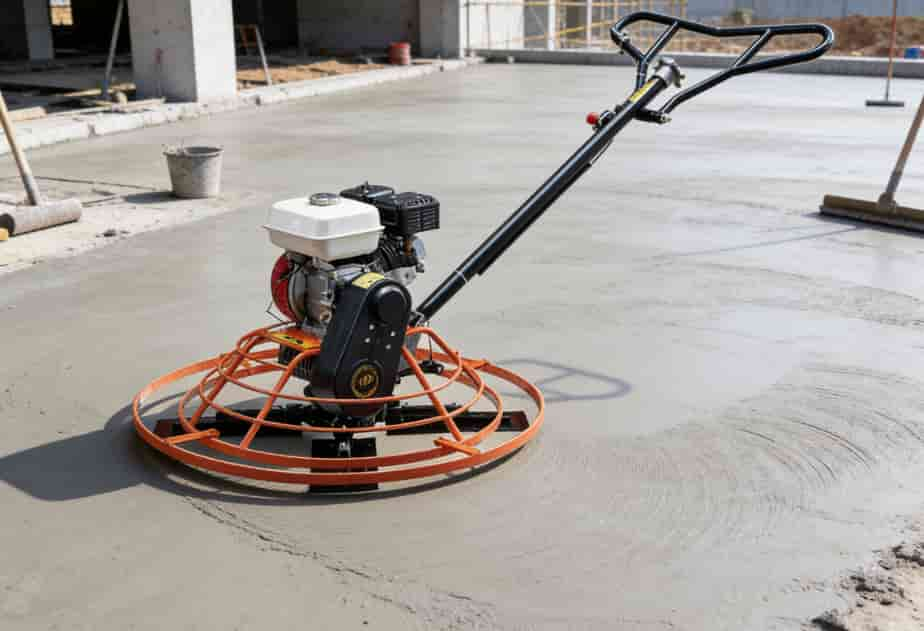
You need to start troweling at the right time to get a smooth finish. If you begin too early, the concrete may be too soft. If you wait too long, the surface can become too hard. Most experts recommend starting the troweling phase between 1.5 to 4 hours after pouring the concrete. The exact timing depends on several factors:
Concrete mix design. Mixes with less water set faster.
Air temperature and humidity. Hot, dry days speed up curing.
Simple tests. Try the footprint, thumbprint, or shine test to check if the surface is ready.
Tip: Press your thumb into the concrete. If it leaves a slight mark but does not sink in, you can start troweling.
You control the finish quality by adjusting the blade angle, also called the pitch. Start with a flat blade for the first pass. This gentle angle helps smooth the surface without digging in. As the concrete hardens, increase the blade angle. A steeper angle gives you a stronger, shinier finish. If you set the angle too high too soon, you might damage the surface or create weak spots. Adjust the blade angle slowly as you work. This step helps you avoid uneven areas and gives you a professional result.
Note: Change the blade angle as the concrete changes. This keeps your finish even and strong.
You guide the power trowel by using the handlebars. For walk-behind models, pull up on the handle to move left. Push down to move right. Some operators use a palm-down or palm-up grip for better control. If you use a ride-on trowel, steer with two levers. These let you move forward, backward, or sideways. Move the machine with steady, gentle motions. Quick or jerky moves can leave marks on the concrete. Timing and finesse matter. Learn how much pressure to use and when to adjust your speed.
Pull up on the handle to go left.
Push down to go right.
Use smooth, steady movements.
Practice your grip for better control.
Alert: Always keep both hands on the handlebars for safety and control.
You need to overlap your passes to get a uniform finish. If you miss spots, the surface will look uneven. Follow these steps for best results:
Overlap each pass by about one-third of the previous path.
Move slowly and keep a steady pace across the slab.
| Step | Description |
| 1 | Guide the power trowel over the concrete in a systematic way. |
| 2 | Overlap each pass slightly to cover the whole surface evenly. |
Tip: Overlapping your passes helps you avoid streaks and missed spots. Take your time for a smooth, even finish.
You should always clean your power trowel right after you finish the job. Remove all concrete from the machine before it dries. If you leave concrete on the trowel, it can cause damage and make the machine work poorly next time. Use a brush and water to scrub off any leftover material. Dry the machine with a clean cloth to stop rust from forming.
Tip: Cleaning your trowel after each use helps it last longer and keeps it working well.
Lubricate moving parts often to keep your machine running smoothly. Check the owner's manual for the right type of oil or grease. Apply lubricant to the blades, pivot points, and any other moving parts. This step reduces friction and stops parts from wearing out too fast. If you hear squeaking or see dry spots, add more oil right away.
Store your trowel in a dry, safe place. Follow these best practices to protect your equipment:
Clean and dry tools before storing to prevent rust.
Apply a light oil coating to metal surfaces.
Use silica gel packs to absorb moisture.
Store batteries separately and keep them partially charged.
Inspect stored tools every few months to make sure they stay in good shape.
Sometimes, your trowel may not work as expected. Here are some common problems and solutions:
| Problem | Solutions |
| Power trowel not starting | 1. Check the power source and connections. 2. Make sure the switch is on. 3. Clean or replace the spark plug. 4. Fill the fuel tank if low. |
| Poor performance or uneven troweling | 1. Inspect blades for damage and replace if needed. 2. Adjust blade angle. 3. Check the engine for issues. |
| Excessive vibrations or shaking | 1. Tighten loose parts. 2. Inspect the drive belt. 3. Make sure the trowel is on a level surface. |
| Not moving or spinning | 1. Check handle controls. 2. Inspect the gearbox. 3. Look for obstructions in the drive system. |
If you fix small problems early, you can avoid bigger repairs later.
Share your own ideas so everyone can work safer and smarter!
tags:concrete vibrator shaft,power trowel,concrete screed machinery

