A construction equipment supplier of construction machinery solutions for 30 years. WhatsApp:+86-18968212829
Language
A construction equipment supplier of construction machinery solutions for 30 years. WhatsApp:+86-18968212829
Skid steer loaders and mini excavators are both compact construction machines widely used across landscaping, municipal works, agriculture, and light-to-medium construction projects. From an industry perspective, the core difference lies in their design purpose and operational strengths. A skid steer loader is built around a rigid frame with lift arms and a front-mounted bucket or attachment, allowing fast movement, tight turning, and high versatility through skid steer attachments. In contrast, a mini excavator features a rotating upper structure with a boom, arm, and bucket, enabling precise digging, trenching, and excavation in confined spaces.
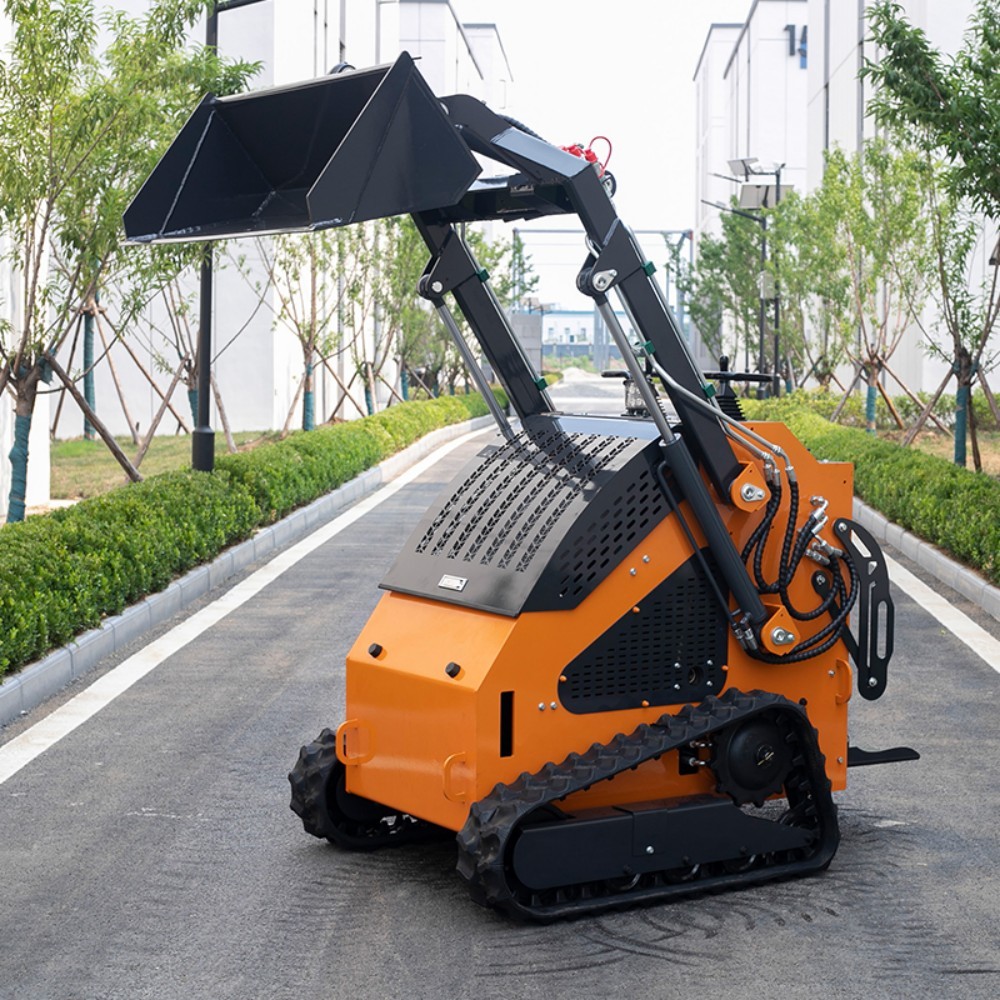
Mini excavators are especially valued for underground work, foundation preparation, and utility installation, where controlled digging depth and accuracy are critical. Skid steers, including mini skid steer models, excel in material handling, surface leveling, snow removal, and attachment-driven tasks. Manufacturers with long-term experience, strong R&D capabilities, and strict quality control systems are able to optimize both machines for durability, operator comfort, and efficiency. With fast delivery cycles and global export experience, professional suppliers can offer reliable mini excavator and track skid steer for sale solutions tailored to diverse market requirements.

Choosing between a mini excavator and a skid steer depends on the primary job requirements. Mini excavators are ideal for digging, trenching, and precise earthmoving, especially in tight or sensitive areas where minimal ground disturbance is required. Skid steer loaders, including mini skid steer options, are better suited for lifting, loading, grading, and operating multiple skid steer attachments. If versatility and speed across varied tasks are priorities, a skid steer is often preferred. If accuracy, digging depth, and rotation capability matter most, a mini excavator is the more efficient choice.
Skid steer loaders and mini excavators differ in mobility, functionality, and application scope. Skid steers use wheels or tracks and rely on differential steering, making them highly maneuverable on flat, firm surfaces. They support a wide range of skid steer attachments, enabling one machine to perform many tasks. Mini excavators operate on tracks and feature a 360-degree rotating cab, providing superior digging precision and stability on uneven terrain. While skid steers are faster for loading and transport tasks, mini excavators outperform them in excavation efficiency, trench accuracy, and reduced surface impact.
The choice between a track loader and a wheeled skid steer depends largely on ground conditions and job site requirements. Track loaders, often referred to as track skid steer machines, distribute weight more evenly across the ground. This reduces ground pressure and improves traction on soft, muddy, or uneven terrain. As a result, a track skid steer for sale is frequently selected for landscaping, agricultural, and wet-site applications.
Wheeled skid steers, on the other hand, are faster on hard surfaces and typically have lower acquisition and maintenance costs. They are easier to transport and perform well on concrete, asphalt, and compacted soil. From a productivity standpoint, tracked machines provide superior stability and pushing power, while wheeled skid steers offer speed and efficiency. Reliable manufacturers ensure both options meet international quality standards, giving buyers confidence in long-term performance.
Driving a skid steer loader requires understanding its unique steering mechanism and control layout. Most modern skid steers use either hand-and-foot controls or joystick controls. Movement is achieved by independently controlling the left and right wheels or tracks. Pushing both controls forward moves the machine straight ahead, while moving them in opposite directions allows the skid steer to turn in place.
Operators must be trained to manage weight distribution, especially when lifting loads with skid steer attachments. Smooth operation is essential to maintain stability and reduce wear on components. Safety practices include keeping loads low during transport, operating at appropriate speeds, and ensuring proper attachment installation. With proper training and ergonomic machine design, skid steers are relatively easy to learn and highly efficient in confined work environments.
A skid steer loader is used for a wide range of tasks across construction, landscaping, agriculture, and municipal maintenance. Its primary advantage lies in versatility. By changing skid steer attachments, one machine can handle loading, grading, trenching, drilling, sweeping, and snow removal. Mini skid steer models are especially useful for indoor demolition, residential projects, and narrow-access job sites.
In construction, skid steers are commonly used for material handling and site preparation. In agriculture, they assist with feeding, cleaning, and material transport. Municipalities rely on them for road maintenance and public works. The ability to quickly switch attachments makes skid steers a cost-effective solution for contractors who require multi-functional equipment without investing in multiple machines.
The capacity of a skid steer bucket is typically measured in cubic yards and varies depending on machine size and bucket design. Small skid steers and mini skid steer models may have bucket capacities ranging from 0.25 to 0.4 cubic yards. Medium-sized skid steers often handle 0.5 to 0.75 cubic yards, while larger machines can exceed 1 cubic yard with high-capacity buckets.
Bucket capacity selection should consider material density, machine lift capacity, and job requirements. Overloading can reduce stability and increase wear. Manufacturers usually provide detailed specifications to help buyers match the correct bucket size to their skid steer. Proper matching ensures efficient material handling while maintaining safety and equipment longevity.
Most modern skid steer attachments follow a standardized quick-attach system, making them largely interchangeable across different brands. This universality is a major advantage, allowing operators to use a wide range of skid steer attachments without being locked into a single manufacturer. However, differences can still exist in hydraulic flow requirements, attachment weight, and electrical connections.
Before purchasing attachments, it is essential to verify compatibility with the skid steer’s hydraulic capacity and mounting system. High-quality suppliers typically design attachments to meet common industry standards while offering customization options. This ensures that customers can maximize machine utilization and achieve better return on investment across diverse applications.
Skid steers and mini excavators serve different purposes, and choosing the right machine depends on job type, terrain, and required versatility.

