A construction equipment supplier of construction machinery solutions for 30 years. WhatsApp:+86-18968212829
Language
A skid steer loader may look easy to use, but good operation involves much more than moving forward, reversing, and lifting a bucket. In real jobsite conditions, the operator must manage speed, balance, load position, hydraulic response, and changing ground conditions at the same time. That is why many users search not only for how to operate a skid steer loader, but also for answers about hard starting, joystick control issues, abnormal noises, excessive vibration, and rising maintenance cost. These problems are closely connected to the way the machine is used every day.
This skid steer loader operation guide is designed for practical use. It explains how to check the machine before work, how to use the controls correctly, how to improve stability, and how to notice common technical problems early. When these points are understood together, operators can work more safely, reduce frequent repairs, and improve machine efficiency over time.
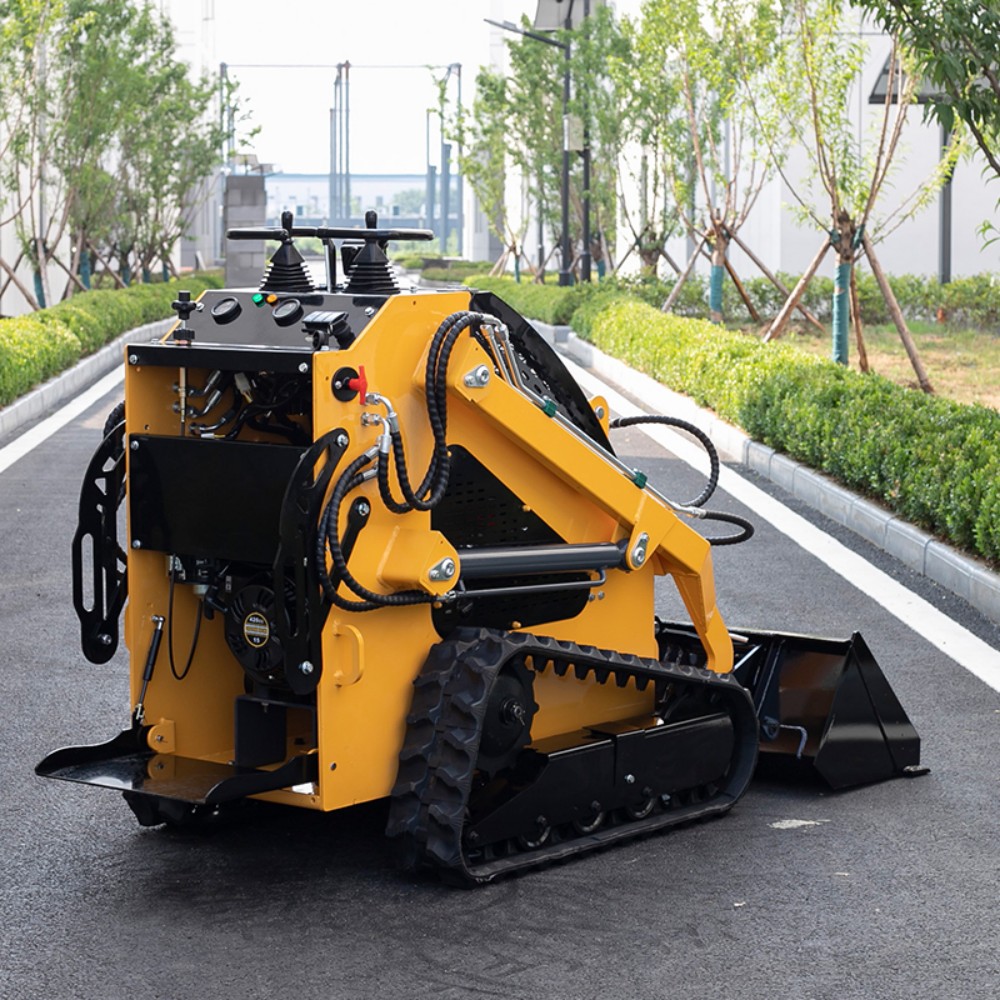
Good operation always begins before the engine starts. Many problems that appear during work actually begin with small signs that can be seen during a simple inspection. Before entering the cab, check the engine oil, hydraulic oil, coolant, fuel level, hoses, filters, tyres or tracks, and all visible pins and joints. Look for leaks, cracks, loose parts, or unusual wear. This short inspection can save many hours of downtime later.
This is also the best moment to notice early warning signs. If the machine has been hard starting, if the battery sounds weak, or if there is a small hydraulic leak, the problem will often become worse once the machine is under load. A machine that already feels wrong before work will not become better during operation. For this reason, a proper walkaround check is one of the most important parts of any skid steer loader operation guide.
After the inspection, the next step is to understand the controls. Different skid steer loaders may use different control layouts. Some use hand and foot controls, while others use joystick controls. Many modern machines also allow different control patterns. If the operator is not familiar with the system, even a simple task can become rough and unsafe.
Take a moment to understand how the loader arms, bucket tilt, forward travel, reverse travel, and turning functions respond. Smooth control is not only about comfort. It also helps protect the hydraulic system, reduces tyre or track wear, and improves machine stability during operation. In simple terms, better control leads to safer work and longer machine life.
A joystick unresponsive problem should never be ignored. If the joystick feels slow, weak, jerky, or delayed, the cause may not be the joystick itself. The issue may come from low hydraulic oil, dirty hydraulic fluid, loose connections, electrical faults, or wear in the control system. Some operators try to continue working by using more force, but that usually increases machine stress and reduces accuracy.
Instead, stop and inspect the machine carefully. If the controls are not responding in a normal way, the skid steer loader cannot be operated safely or efficiently. A machine with control issues is harder to use, more tiring for the operator, and more likely to create damage in tight working areas.
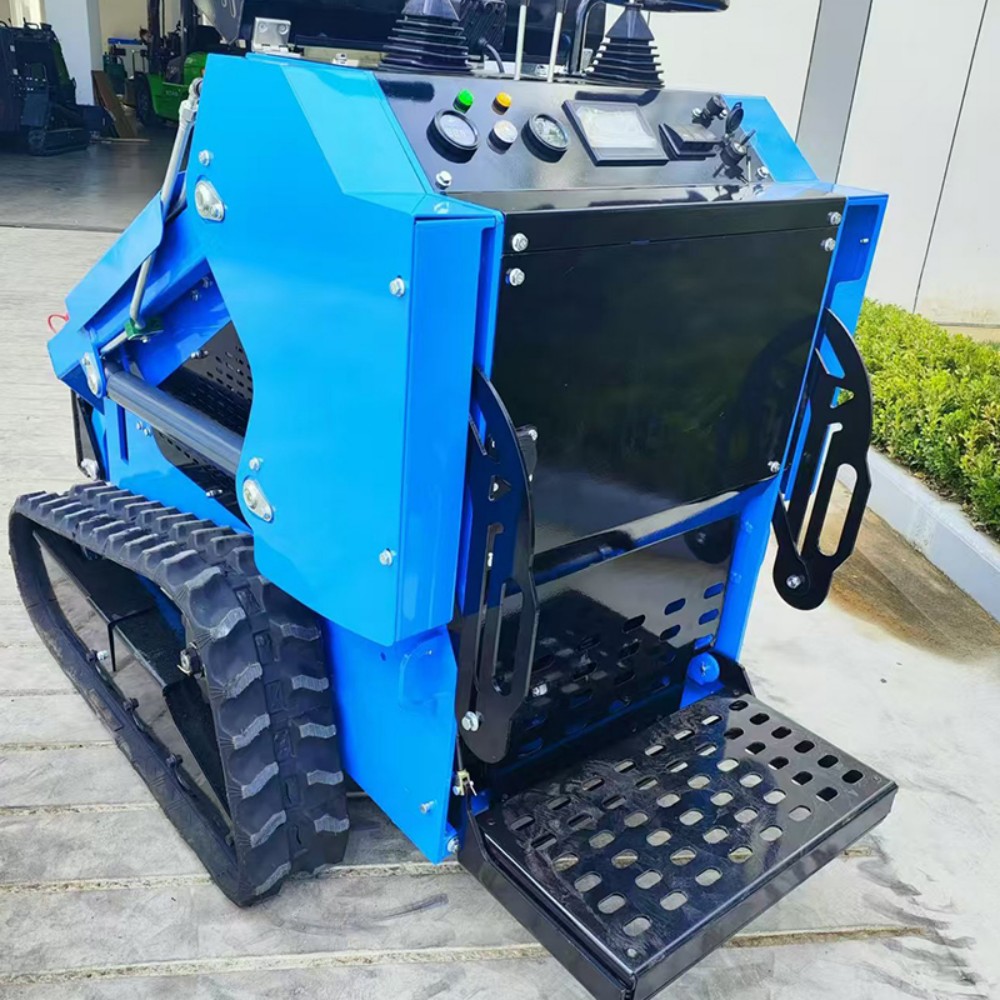
Once the controls are understood, stability becomes the next key point. Many operators think stability depends only on machine size, but that is not true. A skid steer loader stays stable because of the relationship between operating weight, rated operating capacity, attachment weight, load position, and ground condition. If one of these factors changes, the machine can behave very differently.
For example, a machine may feel stable on flat and dry ground, but the same machine can feel less secure on wet soil, broken surfaces, or sloped ground. A raised bucket also changes the centre of gravity. That is why the load should always be carried low during travel. This is a simple rule, but it greatly improves control and helps reduce tipping risk.
Rated operating capacity is not just a number in a specification sheet. It is a real operating limit that affects safety and work quality. If the machine is overloaded, it may lose balance, become harder to control, and place more stress on the hydraulic system and frame. This becomes even more important when using attachments such as forks, augers, trenchers, or breakers, because attachment size and weight can change the way the machine handles.
For that reason, operators should not judge lifting ability by feeling alone. Safe skid steer loader operation depends on understanding both the machine capacity and the demands of the job. This is especially important when working on uneven ground or carrying loads at height.
A skid steer loader should not be operated in the same way for every job. The correct operating style depends on the type of work being done. For loading loose material, smooth bucket entry and controlled lift movements are important. For grading, steady travel speed and small steering corrections help create a cleaner finish. For pallet handling, visibility, fork level, and load height become more important. For soft ground, careful turning and lower ground pressure help protect both the site and the machine.
This is where experienced operators usually perform better. They do not use one driving style for every task. Instead, they adjust the machine to the job and the surface conditions. That is also why many users compare wheeled skid steers with compact track loaders. On some sites, a wheeled machine is quicker and more efficient. On softer or rougher ground, a tracked machine may offer better grip and better stability.
As work begins, sound and machine feel become very important. A good operator does not only watch the bucket or attachment. They also listen to the machine. Abnormal noises and excessive vibration are often early signs of a deeper technical problem. A whining hydraulic sound, strong shaking, repeated knocking, or increasing vibration during travel should never be treated as normal.
These symptoms may point to hydraulic stress, worn tyres, loose parts, track problems, or drivetrain faults. In some cases, the machine may continue working for a short time, but that does not mean it is safe to continue. The better choice is to reduce the load, slow down, and inspect the machine before the issue becomes more serious and more expensive to fix.
At this stage, the link between operation and maintenance becomes clear. High maintenance cost usually does not come from one large failure alone. In many cases, it comes from repeated poor habits such as skipping inspections, carrying loads too high, turning too sharply, overloading the machine, or ignoring small warning signs. Over time, these habits lead to frequent repairs, more downtime, and lower machine value.
The opposite is also true. Smooth operation helps reduce repair cost. Careful start-up, proper warm-up, correct load handling, early fault checking, and regular service all work together. When the operator uses the machine with care, they protect the engine, hydraulic system, control system, and undercarriage at the same time. That means fewer surprises and better long-term performance.
A strong skid steer loader operation guide should do more than explain the controls. It should help the operator understand how the whole machine works in real jobsite conditions. Safe and efficient operation begins with daily checks, continues with correct control use, and depends on stable load handling, proper job matching, and early fault awareness. When these points are understood together, the skid steer loader becomes easier to operate, safer to manage, and less costly to maintain.
In the end, good operation is not about using more force. It is about making better decisions at the right time. That is what keeps the machine productive, reduces downtime, and helps the operator get the best result from every working hour.