A construction equipment supplier of construction machinery solutions for 30 years. WhatsApp:+86-18968212829
Language
A construction equipment supplier of construction machinery solutions for 30 years. WhatsApp:+86-18968212829
What is the purpose of regular excavator maintenance?
Regular excavator maintenance is essential to keep machines running efficiently and safely in all types of construction and infrastructure projects. In the construction industry, downtime caused by poor maintenance can lead to missed deadlines and increased costs. For rental companies, regular maintenance ensures equipment reliability and customer satisfaction. For contractors, well-maintained excavators mean better fuel efficiency, fewer breakdowns, and longer equipment life. From mini excavators used in compact worksites to heavy-duty Caterpillar models, consistent care ensures top performance. Ningbo ACE Machinery Co., Ltd—backed by 29 years of manufacturing experience and a professional QC & QA team—offers equipment designed for easy maintenance. With fast delivery (7–30 days) and a global service network, ACE helps clients minimize downtime, reduce repair costs, and maximize productivity through proper excavator maintenance.
Advantages of Regular Excavator Service and Maintenance.
Regular excavator maintenance improves performance, extends equipment lifespan, and enhances jobsite safety. It helps reduce fuel consumption, downtime, and costly repairs while ensuring that mini excavators and full-size Caterpillar machines continue to operate at peak efficiency for every project.
Excavator routine maintenance and inspection
Routine inspection ensures all key parts—hydraulics, tracks, and fluids—remain in good condition. Simple daily checks and timely servicing help prevent serious damage and costly repairs, ensuring reliable excavator performance on every jobsite.Keep reading to learn how proper maintenance can improve performance, save costs, and extend your excavator’s life.
What is the main function of an excavator?
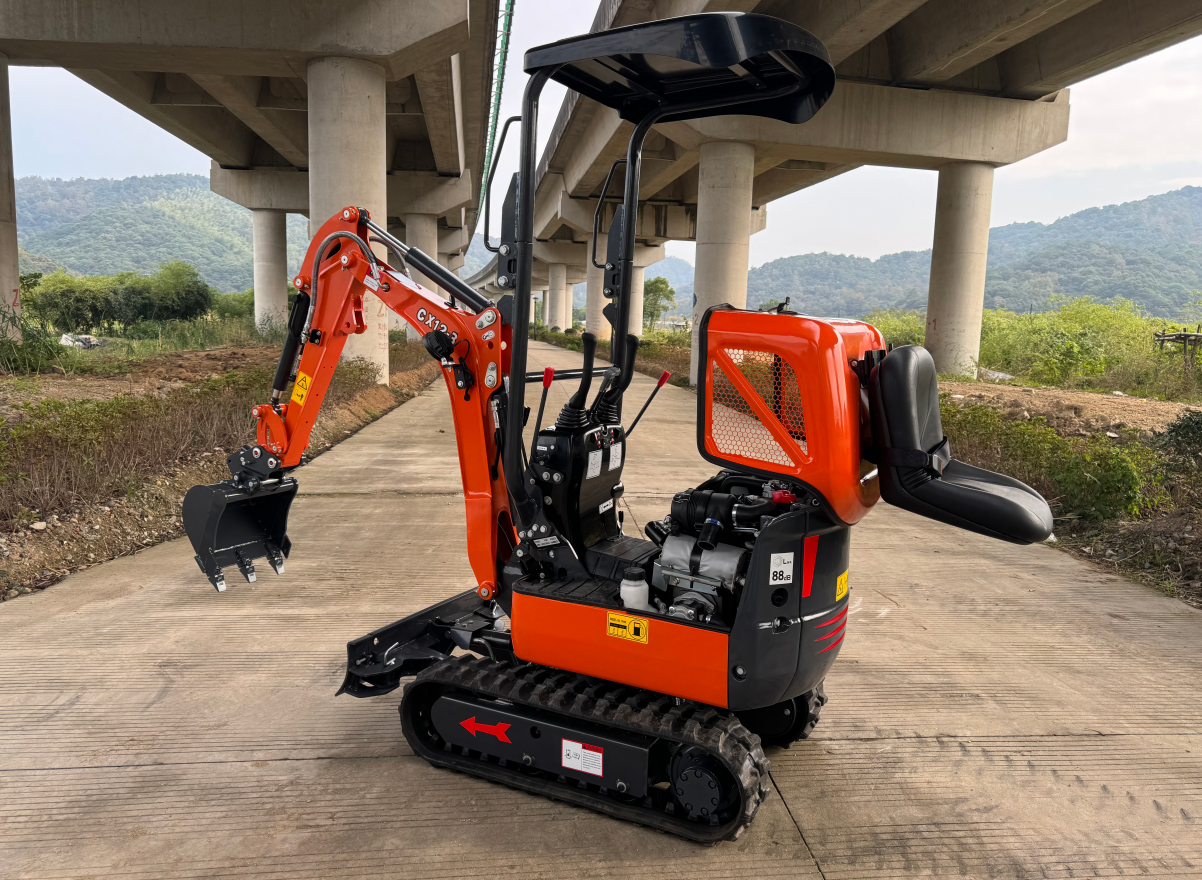
Excavators are among the most versatile machines on any construction site. Their main function is to dig, lift, and move large amounts of earth or materials efficiently. The combination of a boom, arm, bucket, and rotating cab gives operators precision and flexibility. Mini excavators are ideal for small, confined spaces like residential projects, while larger machines like Caterpillar excavators are used for major infrastructure works. Excavators also handle tasks such as trenching, demolition, grading, and dredging. When properly maintained, these machines perform smoothly and consume less fuel. Regular excavator maintenance—such as keeping hydraulic systems clean, checking undercarriages, and inspecting attachment points—ensures the machine continues to deliver optimal performance and reduces costly downtime for operators and businesses alike.
How to transport a mini excavator
Transporting a mini excavator safely requires attention to detail and proper preparation. Before loading, operators should clean off dirt and debris to reduce weight and ensure stability. Check the tracks or tires for damage, and remove or secure the bucket and attachments. Use a trailer or low-bed truck with the correct weight rating, and always verify that the trailer can handle the excavator’s size and dimensions. Secure the machine using heavy-duty chains or straps at designated tie-down points, and lock the boom and arm in place to prevent movement. During transit, inspect the securing equipment periodically. At Ningbo ACE Machinery, our logistics team offers support and advice for transporting mini excavators and other construction equipment worldwide. Proper transport protects your investment, avoids damage, and ensures your machine is ready to work immediately upon arrival.
How do you inspect an excavator?
An excavator inspection should be part of every operator’s routine. Start with a walk-around to check for leaks, cracks, or worn parts. Inspect the undercarriage—tracks, sprockets, and rollers—for wear or damage, and remove debris that can affect performance. Check fluid levels such as engine oil, hydraulic oil, and coolant to prevent overheating or failure.
Test lights, alarms, and gauges for proper function. Ensure pins, bushings, and attachment points are tight and lubricated. For Caterpillar and other brands, follow the manufacturer’s inspection schedule for optimal results. Regular inspection not only identifies issues early but also prevents expensive breakdowns. At ACE Machinery, we train customers to perform effective inspections and provide maintenance guides for mini excavators and other machines, ensuring long-term reliability and safety on site.
What are the key components and checks for excavator maintenance?
Proper excavator maintenance involves a complete check of all major systems. - **Engine:** Monitor oil and coolant levels, and replace filters as recommended. Watch for smoke or unusual sounds that indicate internal issues.
Hydraulic System: Inspect hoses and fittings for leaks, check fluid quality, and clean filters regularly. Contaminated hydraulic oil can cause serious system damage.
Undercarriage: Clean the tracks daily, check sprockets and idlers for wear, and maintain proper track tension. The undercarriage can represent up to half of total maintenance costs if neglected.
Attachments: Examine buckets, teeth, and pins for wear. Worn pins reduce accuracy and increase vibration.
Electrical and Controls: Test all sensors, displays, alarms, and joysticks. Software updates may improve performance and fuel efficiency.
Lubrication: Grease all joints regularly to reduce friction and extend part life.
ACE Machinery emphasizes preventive maintenance programs for all equipment, ensuring mini excavators and other machines remain in top condition, regardless of operating environment.
How does software improve excavator maintenance?
Modern software and digital tools have transformed excavator maintenance. Today’s Caterpillar and ACE excavators can use telematics systems that track engine hours, fuel usage, and service intervals. Fleet managers receive automatic alerts for oil changes, filter replacements, and abnormal operating patterns. This data helps plan maintenance schedules more efficiently, reducing downtime and avoiding costly breakdowns. Digital inspection apps also allow operators to record maintenance activities, upload photos, and share reports instantly. Predictive analytics can detect early signs of wear in key components like hydraulics or the undercarriage. For construction companies using multiple mini excavators, these tools simplify fleet management and ensure consistent performance across all equipment. At Ningbo ACE Machinery, we integrate these technologies to help clients make data-driven maintenance decisions and protect their investments.
Summary
Regular excavator maintenance ensures reliable performance, extends lifespan, and delivers long-term value for both mini and full-size Caterpillar excavators.

