Product knowledge popularization
A construction equipment supplier of construction machinery solutions for 30 years. WhatsApp:+86-18968212829
Language
A construction equipment supplier of construction machinery solutions for 30 years. WhatsApp:+86-18968212829
The name “skid steer” originates from its steering mechanism—each side’s wheels or tracks can move independently, allowing the machine to skid or pivot on the spot. This makes the skid steer loader one of the most agile and compact pieces of construction equipment available today. It’s widely used in industries such as construction, agriculture, landscaping, and road maintenance. Because of its maneuverability and compatibility with multiple attachments, the machine can perform countless tasks like digging, grading, lifting, and material transport.
Ningbo ACE Machinery Co., Ltd., a leading Chinese skid steer loader manufacturer with nearly three decades of expertise, provides high-quality, reliable, and customizable solutions designed to meet the specific demands of global clients. Each loader features advanced hydraulics, ergonomic design, and durable components to ensure consistent performance across different job sites.
What is a Skid Steer Loader used for?
A skid steer loader is a compact, multi-functional construction machine used for lifting, digging, grading, and material handling. With interchangeable attachments such as buckets, augers, sweepers, and trenchers, it can perform diverse jobs including landscaping, snow removal, demolition, and roadwork. Its small size and robust engine make it ideal for confined worksites, offering powerful performance and versatility for construction, agriculture, and infrastructure projects worldwide.
Are there different types of Skid Steers?
There are two main types of skid steer loaders: wheeled and tracked. Wheeled skid steers work best on hard, even surfaces, while tracked skid steer loaders (with skid steer loader tracks) provide enhanced traction and stability on soft, uneven, or muddy terrains.
How to Choose the Right Skid Steer Loader
Selecting the right skid steer loader depends on your project needs, job site conditions, and budget. For heavy-duty outdoor applications, models equipped with skid steer loader tracks deliver better traction and ground pressure control. For smaller or indoor spaces, a compact skid steer loader offers optimal maneuverability. Key factors to consider include rated operating capacity (ROC), hydraulic flow, engine horsepower, and attachment compatibility. Wheel type also plays an important role—pneumatic tires are ideal for flat surfaces, while solid or foam-filled tires resist punctures in rough terrain. Ningbo ACE Machinery’s engineering team ensures each Chinese skid steer loader undergoes rigorous testing and quality checks to guarantee long-term reliability and low maintenance costs, helping operators maximize efficiency on every job site.
What Sizes Do Skid Steers Come In?
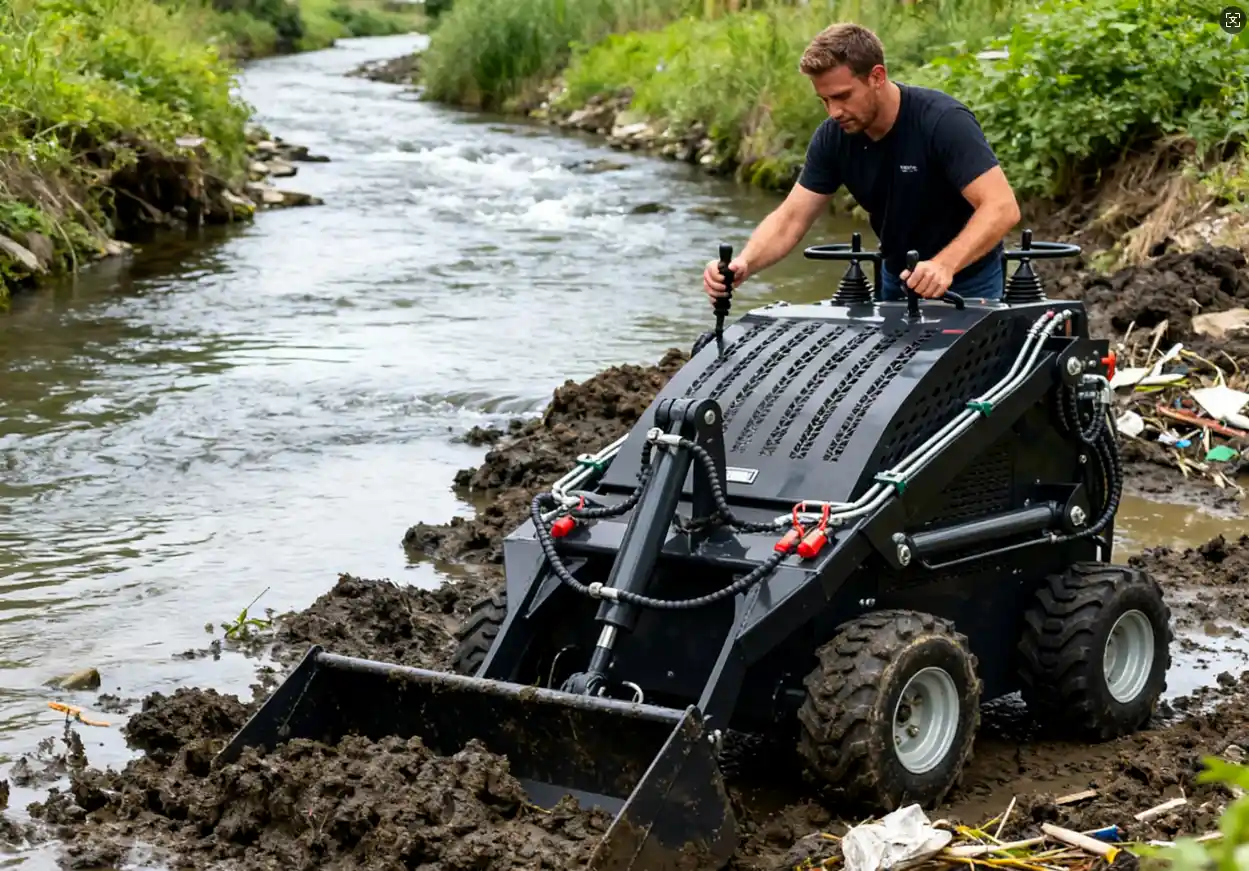
Skid steer loaders come in various sizes tailored to different applications. Small skid steers, typically under 1,750 lbs ROC, are perfect for light-duty landscaping, snow removal, and residential projects. Medium skid steers (1,750–2,200 lbs ROC) balance power and agility, making them suitable for general construction and utility work. Large skid steers, with an ROC exceeding 2,200 lbs, deliver high horsepower and lifting capacity for demanding industrial or agricultural jobs. The compact skid steer loader category remains the most versatile, offering ease of transport, flexible attachment use, and excellent control in confined areas. Ningbo ACE Machinery offers a complete size range to match every project requirement, ensuring customers can find the ideal balance between power, maneuverability, and cost-effectiveness.
What Else Should You Know When Choosing a Skid Steer?
Beyond size and type, several additional factors determine how well a skid steer loader will perform. The choice between wheels and skid steer loader tracks affects traction and stability—tracks provide superior grip on uneven ground, while wheels are faster on smooth surfaces. Engine power and hydraulic system capacity influence which attachments you can use efficiently. Comfort and safety are also essential: enclosed cabs with climate control, ergonomic seating, and high-visibility windows enhance operator productivity. Maintenance accessibility should not be overlooked; machines with easily reachable service points reduce downtime. Ningbo ACE Machinery integrates advanced safety systems and durable global-brand components into every Chinese skid steer loader, ensuring dependable operation in even the toughest environments.
How to Drive a Skid Steer Loader
Operating a skid steer loader requires precision and adherence to safety practices. Start by familiarizing yourself with the machine’s controls—most modern models use two joysticks: one for movement and one for loader arm operation. Before starting the engine, engage all safety interlocks and confirm attachment security. Steering is achieved by varying wheel or track speed on each side, allowing the loader to turn within its own footprint. Always maintain a steady speed, especially on slopes or uneven terrain, and keep loads low for stability. Regularly inspect hydraulic lines and attachments for wear. Ningbo ACE offers comprehensive operator training, manuals, and after-sales support to ensure that users of their compact skid steer loaders can work efficiently and safely across diverse job conditions.
Summary
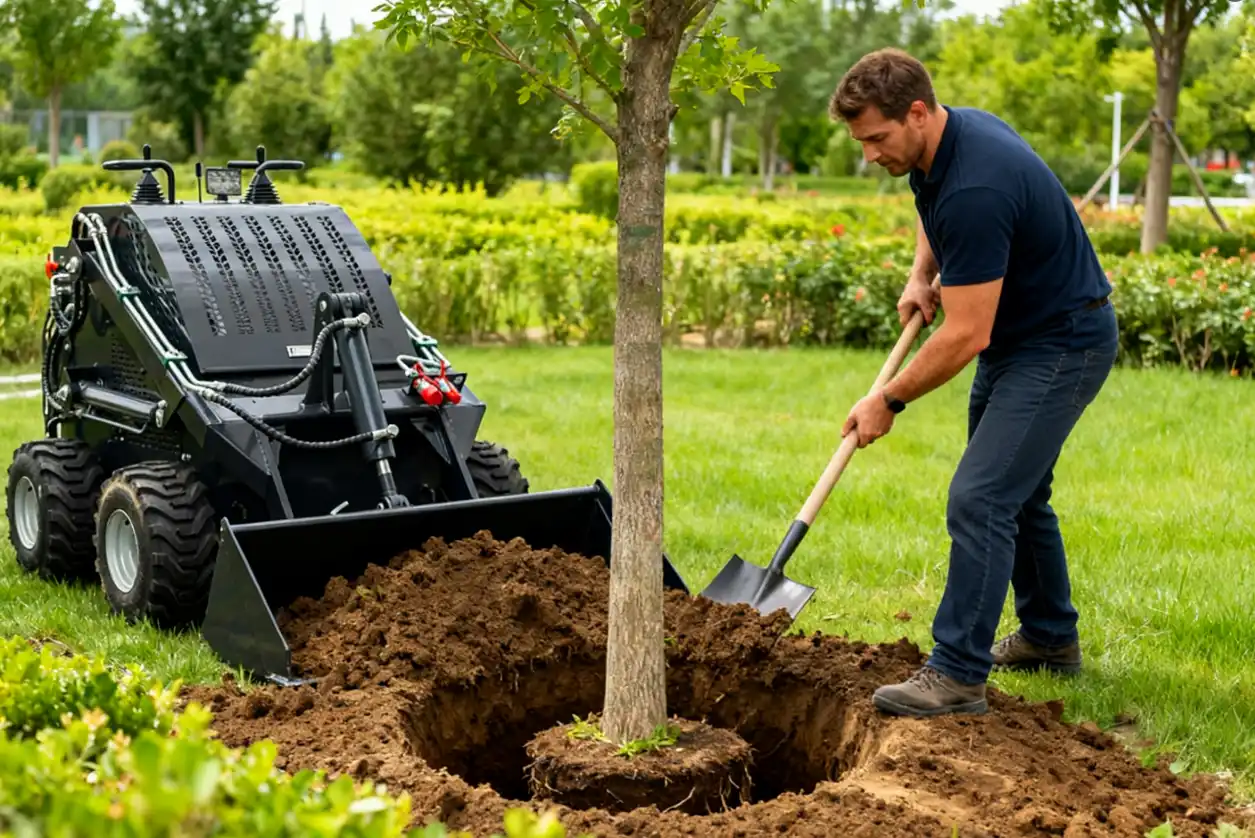
The skid steer loader combines versatility, durability, and power—making it a must-have machine for construction, agriculture, and industrial projects worldwide.

