Product knowledge popularization
A construction equipment supplier of construction machinery solutions for 30 years. WhatsApp:+86-18968212829
Language
A construction equipment supplier of construction machinery solutions for 30 years. WhatsApp:+86-18968212829
What is a pre‑start inspection?
A pre-start inspection is a quick and organized checklist done before using the machine. It checks key parts like engine oil, hydraulic oil, filters, tracks, attachments, and safety equipment to make sure everything works properly and safely. This helps avoid breakdowns and keeps the excavator reliable.
How often should pre‑start checks be conducted?
Pre-start checks should be done every day, preferably before each shift or use of the machine. This helps keep the equipment safe, reliable, and prevents unexpected breakdowns.
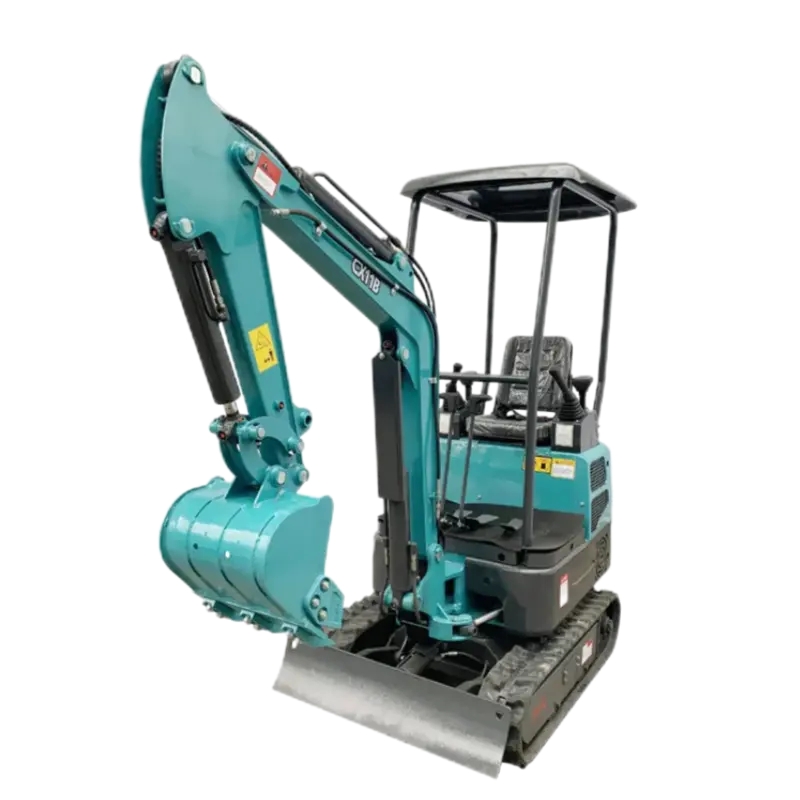
Daily inspection checklist: engine oil/hydraulic oil level, filter replacement cycle, track tension adjustment.
To ensure optimal and safe performance of equipment—especially compact machines like a "mini excavator", "mini excavator Kubota", or any "China mini excavator" model—operators must follow a thorough daily inspection routine. Let’s break it down into clear steps:
Engine Oil Level
Start each operation day by checking the engine oil level using the dipstick, ensuring it sits between the “minimum” and “maximum” marks. Inspect the oil’s appearance: dark brown or black oil may signal oxidation or overheating, while milky or foamy oil indicates possible coolant contamination. Consistent oil level and clarity promote engine longevity.
CE Machinery’s mini excavators are built with easy-to-access engine compartments, making daily checks quick and simple. Keeping engine oil at the right level—especially when working in remote areas or using mini excavator attachments—helps maintain proper hydraulic flow and pump pressure. This protects the machine and gives operators more confidence on the job.
Hydraulic Oil Level
The next critical check is hydraulic oil. Use the sight glass or dipstick to confirm the oil level is in the designated range. Hydraulic systems in compact units—like those in **mini excavator hydraulic** setups—are highly sensitive: even small deviations in oil level or contamination can cause pressure drops, leading to sluggish bucket or boom response. Look for foam, milky appearance, or discolored oil, which suggest aeration or contamination from water or worn seals.
Daily hydraulic oil checks help catch problems early and prevent damage to the pump, cylinder seals, and operator controls. ACE machines feature clean, well-designed oil tanks and clear gauges, making it easy to check oil levels quickly—even in tough environments like cold weather or dusty job sites.
Filter Replacement Cycle
Filters—engine oil, hydraulic oil, air, and fuel—protect key system components from contaminants. It's essential to monitor elapsed hours and the last replacement date. For example, an engine oil filter should be replaced after 250 operating hours or six months, whichever comes first.
Hydraulic filters may require replacement at 500‑600 hours or when differential pressure exceeds safe limits. Air intake filters need checks more frequently, especially in dusty work zones; a clogged filter restricts airflow, reducing engine efficiency and accelerating wear.
Mini excavator operators using "mini excavator attachments" like rock breakers or augers often work in aggressive environments, making filter maintenance even more critical. ACE’s QA/QA team ensures filters are pre‑installed and easy to service, supporting fast field replacements and minimizing downtime. Daily log entries of filter condition reinforce preventive maintenance and extend component life.
Track Tension Adjustment
Proper track tension is essential to performance and track longevity. Check sag midway between the front idler and rear sprocket: refer to the manufacturer’s manual for acceptable slack, typically about 20‑30 mm on compact units. Correct tension ensures even wear across rollers, links, and sprockets. Too loose, and the track may derail or accumulate debris; too tight, and the undercarriage components wear rapidly, increasing fuel consumption and reducing hydraulic efficiency.
Operators of "mini excavator Kubota" series and "China mini excavator" models benefit from automatic or quickly adjustable idler tensioners, saving time during daily checks. Combine tension checks with visual inspection of rollers, bushings, and track shoes. Grease fittings on pins and bushings help reduce friction and maintain proper tension. Consistent daily tension inspections prevent major undercarriage failures and improve steering precision.
Comprehensive Summary of Daily Checklist Actions
To ensure both short‑term safety and long‑term reliability, incorporate the following into your daily routine:
Check engine oil level and clarity.
Inspect hydraulic oil level and quality.
Note the hours since last filter replacements; visually inspect filter condition.
Assess track tension, sag, and undercarriage components.
Grease pins, bushings, and fittings where needed.
Record findings in a logbook or digital system for accountability.
The importance of daily inspections
Daily inspections help ensure safety, extend machine life, and improve work efficiency. Checking engine oil regularly protects key parts from damage caused by friction and overheating. Clean oil at the right level helps the engine run smoothly and reduces the chance of serious failures—especially when using heavy tools or mini excavator attachments.
Hydraulic systems in mini excavator hydraulic setups work under high pressure in small spaces, so even small issues like dirty oil or low fluid levels can lead to poor performance, overheating, or damaged parts like seals and pumps.
Filters play a key role by keeping dirt and water out of important parts. Replacing them on time keeps the system running smoothly. The undercarriage—tracks, rollers, and sprockets—takes on most of the machine’s stress. Without proper care, it can wear out quickly, come off the track, or use more fuel.
Ningbo ACE Machinery understands these challenges. That’s why ACE Machinery builds every machine with strict quality control and practical designs that make daily inspections fast and simple. Whether it’s a trusted mini excavator Kubota or a budget-friendly China mini excavator, ACE equipment is made to be reliable, safe, and ready to perform—no matter how tight the schedule.
The benefits of pre‑start checklists
Pre-start checklists help make daily operations clearer, safer, and more consistent. They walk operators through key steps—like checking engine and hydraulic oil levels, filter condition, track tension, the undercarriage, safety systems, and attachment setup—so that nothing is missed. This routine helps prevent accidents and reduces the risk of unexpected breakdowns.
Keeping records of these checks, whether on paper or through digital tools, also improves maintenance planning. It allows teams to spot patterns, schedule repairs in advance, and meet safety rules more easily.
For teams using mini excavator attachments, pre-start checklists ensure that pins, couplers, and hydraulic lines are secure before starting work, reducing the chance of accidents. Digital checklists also connect well with training and logistics, helping new operators learn faster and stay accountable.
Ningbo ACE Machinery supports all this with training, easy-to-order spare parts, and clear manuals. This makes it simple for customers to add inspections into their daily routine—so their machines are always safe, efficient, and ready to go.
In summary: Daily inspections and pre‑start checks safeguard safety and ensure machine readiness.

