Product knowledge popularization
A construction equipment supplier of construction machinery solutions for 30 years. WhatsApp:+86-18968212829
Language
A construction equipment supplier of construction machinery solutions for 30 years. WhatsApp:+86-18968212829
If you have ever dealt with uneven ground, sinking pavements, or a trench that just won’t stay compacted, you already know one thing—soil compaction is not something you can “fix later”. It either works the first time, or it becomes a problem that follows the entire project.
This is where a tamping rammer quietly becomes one of the most valuable tools on site. It is not the biggest machine, and it is not the fastest-looking one, but in the right situation, it solves problems that other equipment simply cannot handle.
In this article, we will break down how a tamping rammer can improve your project efficiency, reduce risk, and ultimately benefit your business in practical terms—not just theory.
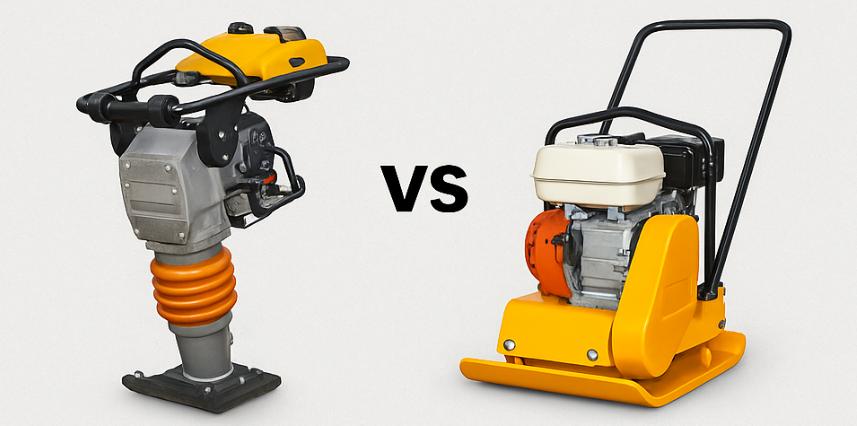
At first glance, many contractors compare a tamping rammer vs plate compactor and assume they do similar jobs. In reality, they solve very different problems.
A plate compactor works by vibrating across the surface. It is quick and efficient on sand or gravel, especially in open areas. However, when the soil becomes sticky, dense, or confined, vibration alone struggles to achieve deep compaction.
A tamping rammer takes a different approach. Instead of spreading force, it focuses energy vertically through repeated impact. Think of it as a controlled jumping motion that drives energy into the ground layer by layer.
So when deciding when to use tamping rammer vs plate compactor, the key question is simple:
Do you need surface coverage, or do you need depth and precision?
For many real-world projects, especially in urban or foundation work, depth wins.
Let’s be honest—soil is rarely perfect on site. Clay, mixed soil, and slightly wet conditions are common, and they are exactly where many machines struggle.
This is why people often search for tamping rammer vs plate compactor for clay soil. Clay tends to absorb vibration instead of responding to it. A plate compactor may look busy on the surface, but underneath, the soil remains loose.
A tamping rammer changes the game. Its impact force breaks through the cohesion of clay and compresses it effectively. Instead of “shaking the problem”, it actually solves it.
For your business, this means fewer surprises after the job is done. No sinking edges, no uneven patches, and fewer calls from unhappy clients asking why things moved after a few weeks.
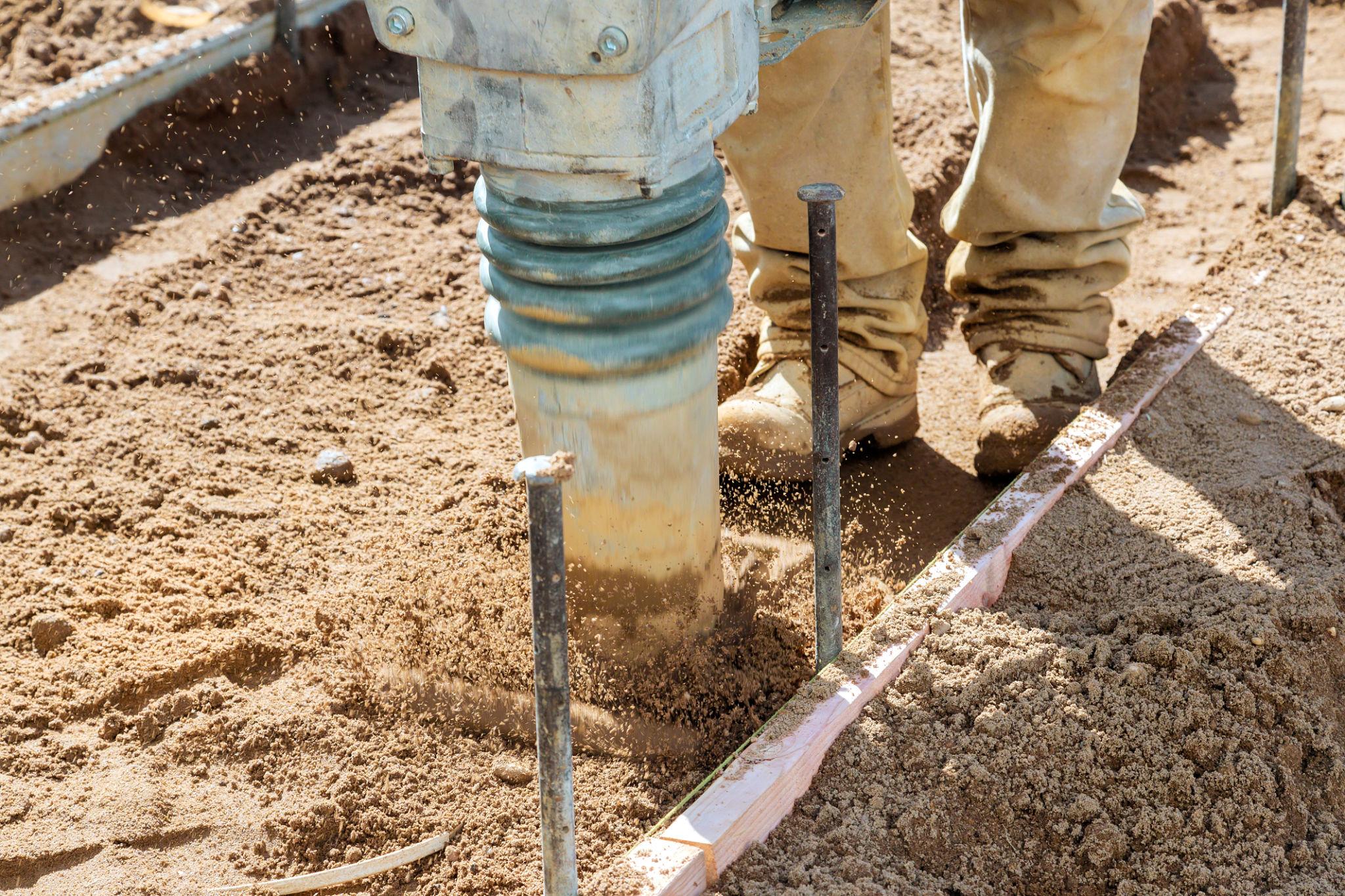
When discussing tamping rammer productivity on construction projects, it is easy to focus only on speed. But experienced engineers know that productivity is not just about how fast you finish—it is about how little you need to redo.
A tamping rammer helps in three key ways:
It works efficiently in narrow trenches and tight corners
It reduces the need for manual compaction
It achieves target density more reliably in fewer passes
This means your team spends less time fixing weak spots and more time moving forward.
In simple terms, it is not just about working faster—it is about avoiding doing the same work twice.
Foundation work is where mistakes become expensive. If compaction is not done properly at this stage, everything built on top carries that risk.
Using a tamping rammer for foundation compaction ensures that even hard-to-reach areas are properly compacted. Around edges, near walls, and inside trenches, the machine delivers consistent impact where larger equipment cannot.
From an engineering perspective, this improves load distribution and reduces settlement. From a business perspective, it protects your reputation.
Because in construction, people may not see the compaction—but they definitely notice when it fails.
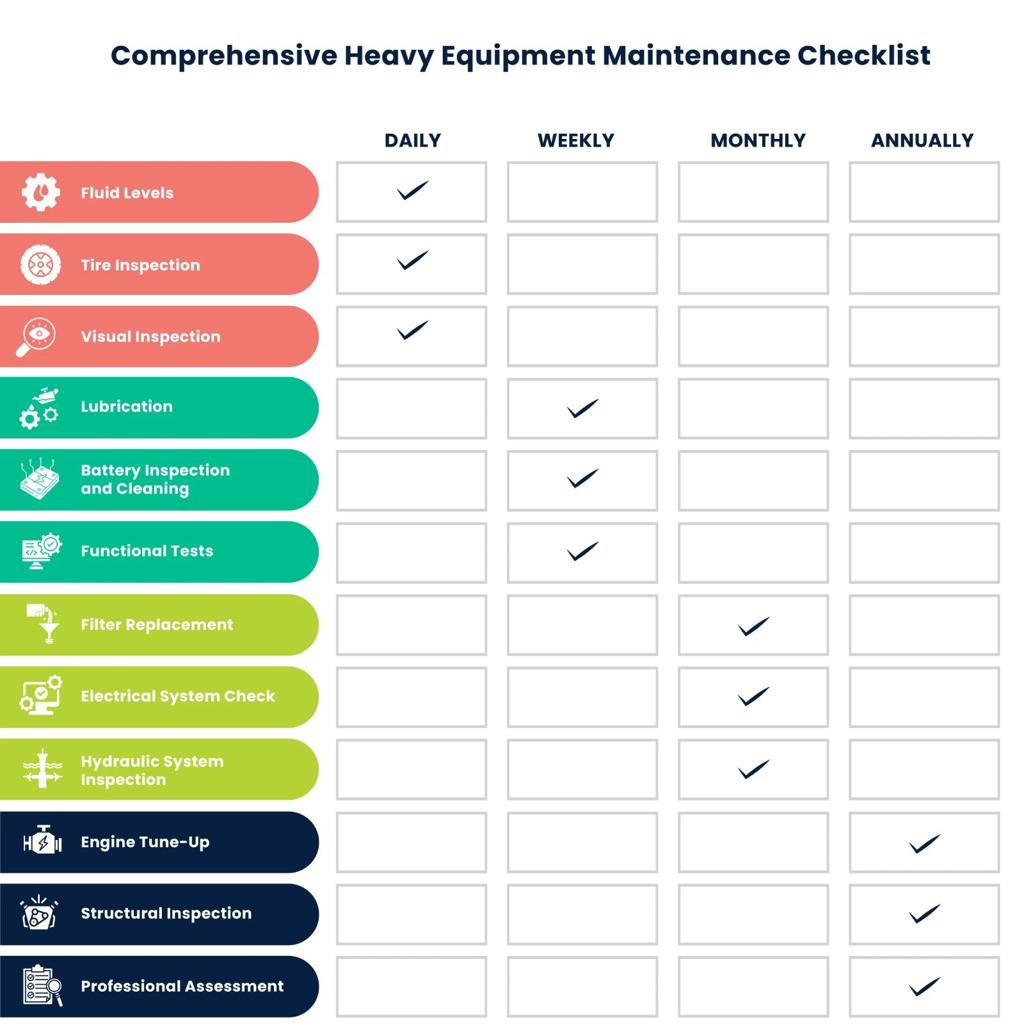
No one likes equipment that spends more time being repaired than working. The good news is that tamping rammers are relatively simple machines, and with basic care, they can be very reliable.
Following practical tamping rammer maintenance tips for contractors does not require special tools or advanced knowledge. Most of it comes down to routine checks:
Keep the air filter clean, especially in dusty environments
Check the rammer shoe for wear and tear
Monitor engine oil and fuel quality
Tighten bolts and inspect moving parts regularly
These small habits make a big difference. They prevent unexpected breakdowns and keep your project schedule on track.
And let’s be honest—nothing hurts productivity more than a machine that stops working in the middle of a job.
A tamping rammer is not always the cheapest piece of equipment upfront, but looking only at purchase price can be misleading.
When you consider:
Reduced labour effort
Better compaction quality
Fewer repairs and rework
Higher project efficiency
…the total cost picture changes.
Instead of asking “How much does this machine cost?”, a better question is:
“How much does it save me per project?”
For many contractors, the answer quickly justifies the investment.
There is no single “best” compaction machine for every situation. The real advantage comes from choosing the right tool at the right time.
If you are working on large, open areas with granular soil, a plate compactor is a strong option. But if your projects involve trenches, foundations, or cohesive soils, a tamping rammer becomes essential.
Understanding when to use tamping rammer vs plate compactor is not just technical knowledge—it is a business decision.
The more accurately you match equipment to the job, the more efficient and profitable your operations become.
A tamping rammer may not be the most impressive machine on site, but it is often one of the most important. It delivers reliable compaction where other tools struggle, improves productivity in real-world conditions, and helps prevent costly mistakes.
For contractors and engineers, it offers something even more valuable—confidence. Confidence that the ground is properly prepared, that the structure will remain stable, and that the job is done right the first time.
And in this industry, that kind of confidence is good for both your projects and your business.

