Product knowledge popularization
A construction equipment supplier of construction machinery solutions for 30 years. WhatsApp:+86-18968212829
Language
Rated operating capacity (ROC) is a loader's published working-load rating for a stated configuration. Tipping load is a stability reference measured under specified conditions, not an everyday lifting target. When comparing machines, check both figures and the conditions behind them.
This sounds straightforward until two quotations arrive: one highlights “maximum load,” while the other lists ROC. The bigger number catches your eye, but it may not describe the stronger machine. Before ordering a loader for pallets, aggregate or farm materials, make sure both suppliers are answering the same question.
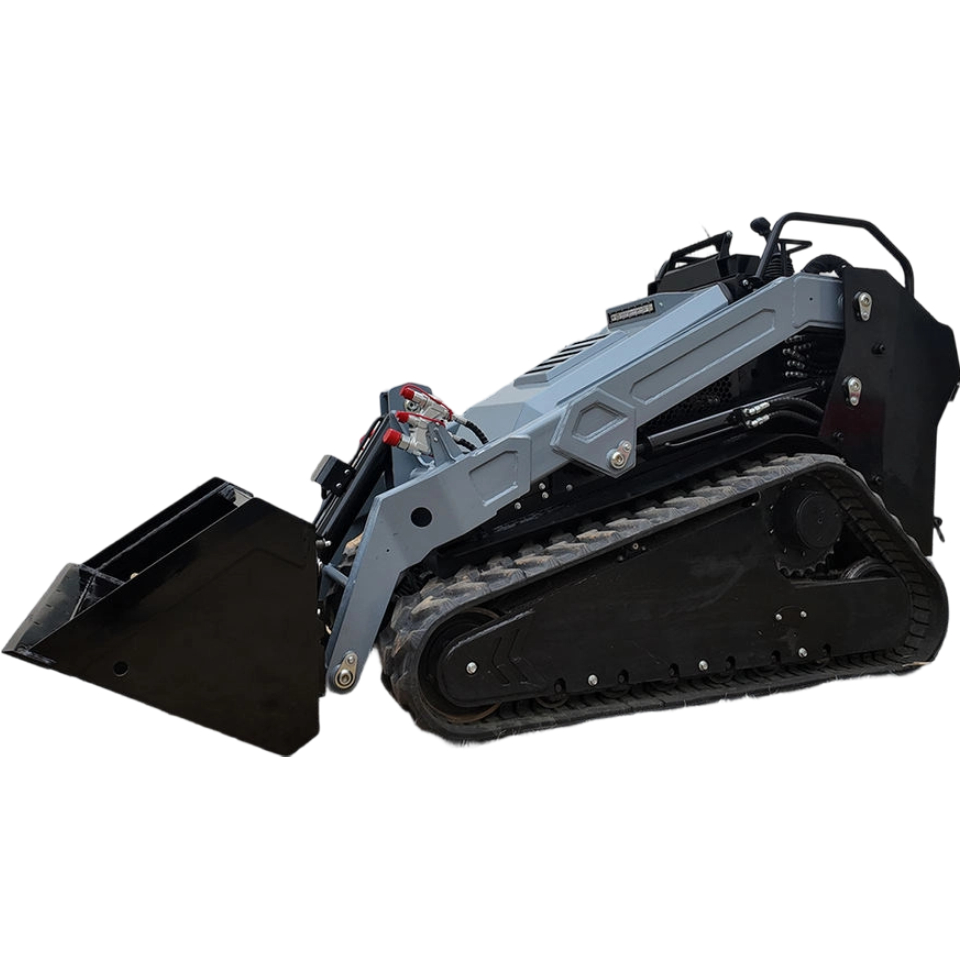
A loader specification contains several useful numbers, but they do different jobs. Operating weight helps you plan transport. Bucket capacity tells you how much space the bucket holds. ROC tells you about rated load handling under the manufacturer's stated conditions. Putting them in separate boxes makes comparison much easier.
| Specification | What it describes | What it does not prove |
|---|---|---|
| Rated operating capacity | Published working-load rating on the stated basis | Capacity with every attachment or on every surface |
| Tipping load | Stability reference under specified test conditions | A suitable everyday payload |
| Operating weight | Machine mass in the listed configuration | How much the loader can lift |
| Bucket capacity | The volume a bucket holds | The weight of its contents |
| Breakout force | Force available for a specified digging or breakout action | Rated lifting capacity |
Consider bucket volume first. A bucket of wood chips and the same bucket of wet aggregate occupy similar space but create very different loads. The bucket has not changed; the material has. That is why buying by bucket size alone can leave you with a machine that looks right in the brochure but does not suit the job.
The same caution applies to breakout force. A loader's ability to push into material is not a promise that it can safely lift an equivalent weight. Match each specification to the task it describes rather than asking one number to do five jobs.
The percentage beside a capacity figure explains its relationship to tipping load. For example, Bobcat's official skid-steer brochure lists the S70 at 362 kg rated operating capacity and 724 kg tipping load, a 50% relationship for the model and configuration shown. The brochure also identifies the measurement standard, which gives the figures their proper context. Source: Bobcat skid-steer specifications.
Buyers comparing compact track loaders may also encounter capacities expressed at 35% or 50% of tipping load. Keep that percentage beside the quoted capacity. Otherwise, two numbers calculated on different bases can look like a clear performance difference when they are not.
| Hypothetical tipping load | Rating percentage | Calculation result |
|---|---|---|
| 2,000 kg | 35% | 700 kg |
| 2,000 kg | 50% | 1,000 kg |
These are mathematical examples, not ACE specifications or operating instructions. Changing 35% to 50% in a spreadsheet does not give a machine extra capacity. Use the rating approved by the manufacturer for that configuration.
Configuration deserves just as much attention as the percentage. Caterpillar's 260 specifications identify the bucket, operator mass and whether optional counterweights are included. Those details matter when comparing a standard machine with a counterweight-equipped version. A fair comparison needs matching conditions, not just matching units. Source: Cat 260 specifications.
Once you change attachments, the comparison becomes more specific. A fork frame has its own mass, and the goods sit at a particular distance in front of it. Moving that load farther forward increases the overturning moment, even if the pallet weighs exactly the same. The loader notices leverage, not just kilograms.
For pallet handling, ask for capacity information covering the actual loader, fork assembly, load centre and required lift position. Do not simply subtract the fork weight from bucket ROC and call the result fork capacity. That shortcut misses changes in geometry and the conditions used for the original rating.
The attachment must also have a suitable rating of its own. Strong forks cannot increase the loader's approved capacity, and a matching mounting plate proves only part of the fit. Our skid steer attachment compatibility guide explains the separate mechanical, hydraulic and electrical checks.
Start with the load you actually need to handle. For pallets, include the complete mass, dimensions, lifting height and required reach. For bucket work, identify the material and expected load. Add the ground conditions and access restrictions so suppliers do not have to guess what “general construction work” means.
Then ask each supplier to complete the same checklist:
| Quotation item | What to confirm |
|---|---|
| Machine | Exact model, version and installed options |
| Rated operating capacity | Value, units and rating basis |
| Tipping load | Separately identified and clearly defined |
| Attachment | Model, mass and applicable capacity information |
| Counterweights | Included, optional or excluded |
| Load position | Applicable load centre, lift height and reach |
| Documents | Current specifications and operating instructions |
If a quotation says only “maximum capacity,” request a definition before comparing it with ROC. A short email now is easier than a long discussion beside a pallet the machine cannot handle.
Published ratings also do not cancel the effects of soft ground, uneven surfaces or moving loads. Follow the machine's instructions rather than using a general slope-reduction formula from the internet. For related operating considerations, read our skid steer operation and stability guide.
Use the ACE skid steer loader range to build a shortlist, then request capacity information for your intended configuration. If you are considering the V2000 compact track loader, ask for confirmed ROC, tipping load, rating basis and attachment-specific limitations. Horsepower, machine weight and bucket volume cannot fill in those missing answers.
To request a loader configuration review, send your heaviest expected load, attachment, lifting height, reach, site conditions and destination. Ask the quotation to list the supplied equipment and supporting documents. The aim is simple: buy the machine that fits the work, not the quotation with the most adventurous number.
No. Tipping load is a stability reference. If a supplier advertises “lifting capacity,” ask how it is defined and whether it applies to your proposed attachment and configuration.
Not automatically. Obtain capacity information for the loader and fork combination, including the stated load centre and lifting conditions.
Not by itself. Horsepower describes engine output, while ROC describes rated load handling. Compare each machine's published capacity and configuration rather than choosing by engine power alone.