Tamping Rammer: What It Is, How It Works, and Why You Need One
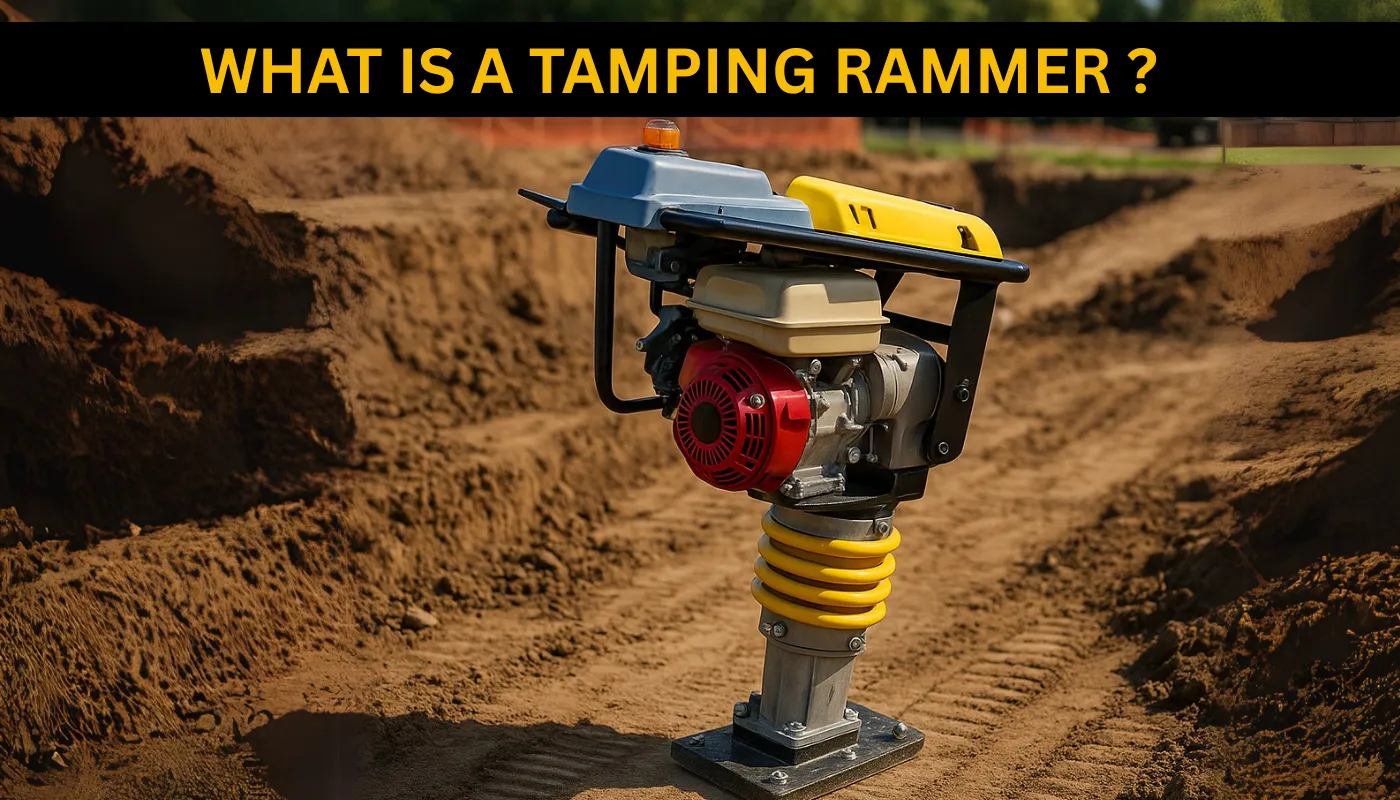
A jumping jack compactor is one of the most useful tools in soil work. It looks small, but it hits the ground hard and fast. When space is tight and the soil is stubborn, this machine usually saves the day.
It is also called a tamping rammer or a soil tamper machine. Whatever name people use, the job stays the same. It compacts soil in places where larger machines feel big, slow, and a bit clumsy.
What Is a Jumping Jack Compactor?
A jumping jack compactor is a type of soil compaction equipment made for narrow and tricky areas. It uses repeated downward blows to press soil together and reduce air gaps inside the fill.
Unlike wider machines, it does not try to cover a huge area in one go. It focuses its force on a small foot. That is why it works so well in trenches, beside walls, and near foundations.
You could say it is the machine version of a person with a hammer and endless energy. It keeps hitting the same spot until the soil finally gives up and behaves properly.
How Does a Tamping Rammer Work?
The machine uses an engine to drive a compact jumping system. That motion turns engine power into strong vertical impact. In simple words, it does not just shake the ground. It punches it again and again.
That repeated impact pushes soil particles closer together. As the voids get smaller, the soil becomes firmer and more stable. This is why the machine is often used where loose backfill could cause trouble later.
A plate compactor glides across the surface and vibrates. A tamping rammer is more direct. It works like a focused hitter, not a wide sweeper, and that difference matters on real job sites.
Why Is It Good for Tight Areas?
Some jobs do not offer much room. Trenches, pipe runs, footing edges, and repair zones can be narrow enough to make larger machines awkward. This is where a jumping jack compactor starts to look very clever.
Its narrow foot helps the operator work close to obstacles without wasting force. Instead of compacting half the trench and half the air, it puts energy where the soil actually needs it.
That is why contractors often keep one nearby for the jobs that look small but turn nasty. It may not be the biggest machine on site, but it often has the last laugh.
Tamping Rammer vs Plate Compactor
The choice between tamping rammer vs plate compactor depends on soil type and working space. If the area is wide and the fill is granular, a plate compactor is often the faster and easier option.
If the soil is more cohesive and the space is limited, a tamping rammer usually makes more sense. It delivers concentrated force and gives better control in narrow sections.
So this is not really a battle of which machine is stronger. It is more like choosing the right shoe for the right road. Sand and open ground like one tool. Tight clay-heavy work likes another.
Where Does It Work Best?
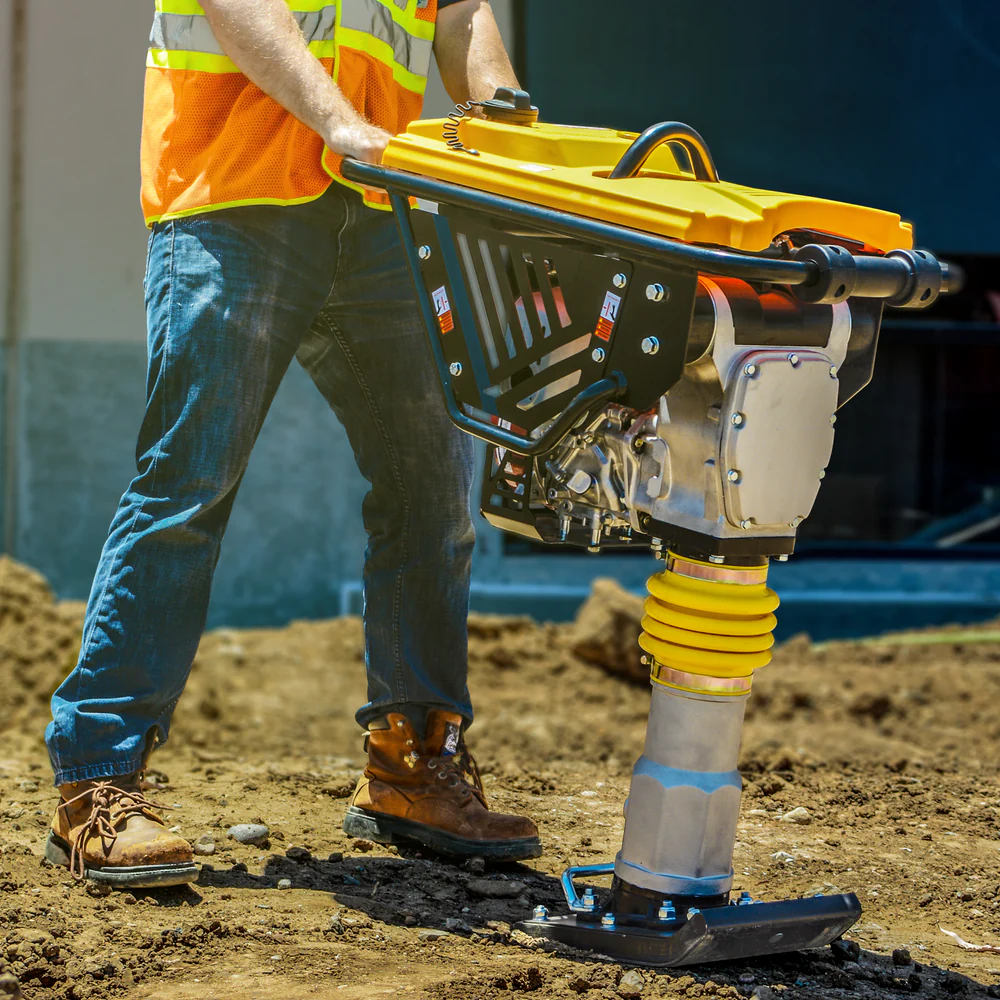
A tamping rammer performs well in trenches, utility lines, footing edges, and foundation backfill compaction. These jobs need force in a small area, not speed over a big surface.
It is especially useful when the soil contains more clay or silt. Those materials can be stubborn. They do not always respond well to wide surface vibration, so a tighter impact pattern is often the smarter move.
When backfill sits close to a foundation, poor compaction can lead to settlement later. Nobody enjoys cracks, callbacks, or awkward site meetings, so better compaction at the start is usually cheaper.
How to Choose a Tamping Rammer for Trench Work
Start with trench width. The machine should fit the space without making the operator fight every pass. If the foot is too wide, the job becomes slow and messy very quickly.
Then look at soil condition. If the material is sticky, damp, or cohesive, a rammer is often a better match than a plate. It gives deeper, more focused impact where broad vibration may struggle.
Also think about machine weight, handling, and daily access. A powerful machine is great, but only if the crew can move it, guide it, and use it safely through the whole shift.
Tamping Rammer Maintenance
Good tamping rammer maintenance keeps the machine reliable and the compaction quality steady. If maintenance is ignored, performance drops, parts wear faster, and the machine may stop when the trench is half done.
Operators should check engine oil, fuel lines, fasteners, and the condition of the rammer foot. A quick inspection each day costs very little time and can save a lot of trouble later.
Clean machines also speak more clearly. Dirt hides cracks, leaks, and loose parts. A rammer covered in mud may still run, but it is basically telling you, “Good luck finding the problem.”
Tamping Rammer Safety Tips for Operators
Good operation starts before the engine does. The operator should wear proper boots, eye protection, and hearing protection, then check that the work area is stable and clear.
Hands and clothing should stay away from moving parts. Fuel should be handled with care, especially around hot engine parts. A compact machine can still create a very big problem if used carelessly.
The operator should also keep good balance and avoid rushing near trench edges. The machine jumps by design. The operator should not feel the need to copy it.
Why You Need One
If your work includes narrow trenches, backfill, or compacting near structures, a jumping jack compactor is not just helpful. It is often the tool that makes the job neat, safe, and durable.
It gives focused force, better control, and solid results where broad machines struggle. That means fewer soft spots, less settlement risk, and a stronger base for the work that comes next.
In short, a tamping rammer is small, tough, and very honest. If the soil is loose, it will tell you. If the job is tight, it will handle it. And if chosen well, it earns its keep fast.

