A construction equipment supplier of construction machinery solutions for 30 years. WhatsApp:+86-18968212829
Language
A construction equipment supplier of construction machinery solutions for 30 years. WhatsApp:+86-18968212829
Choosing a concrete mixer sounds easy at first. Then the real questions arrive. How much can it mix? Is it easy to move? Will it stay steady on rough ground? That is when the simple choice becomes a serious site decision. A lot of buyers start by looking at price or drum size. That is a bit like buying work boots by colour. It may look fine at first, but on site, performance matters far more than appearance. The right mixer should match your job size, working area and daily output. If the machine is too small, work slows down. If it is too big, you may waste money, space and effort. Neither option is a clever win. That is why a proper concrete mixer size guide should focus on real working needs. The goal is not to buy the biggest model. The goal is to choose the model that makes your job smoother, safer and less annoying.
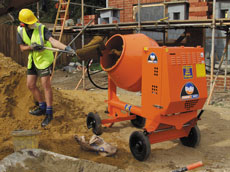
Before comparing models, think about the work itself. Are you mixing for repair jobs, footpaths, small slabs or regular site use? A mixer should fit the project, not just the catalogue description. Some buyers pick a machine because the drum sounds large. Later, they discover the output is smaller than expected. That is when the mixer starts behaving like a lunchbox with ambition. A good buying decision starts with one practical question. How much usable concrete do you need in each working cycle? Once that is clear, the rest of the selection becomes much easier.
When looking at concrete mixer capacity, many people only check the drum volume. That sounds sensible, but it is not the full story. A bigger drum does not always mean a bigger useful batch. In real use, mixers should not be filled to the top. If you overload the drum, the mix quality drops, the machine works harder and the result is more mess than magic. The mixer is there to help, not to protest. That is why usable output matters more than advertised size. A mixer should produce enough concrete for steady work without forcing the team to stop, wait or remix every few minutes. If your batch is too small, labour loses rhythm. If the batch is too large, handling gets harder. A good mixer keeps the work flowing instead of turning every pour into a small family argument.
When asking how to choose concrete mixer capacity, the best method is to match capacity with job rhythm. Think about how quickly concrete is placed, finished and followed by the next batch. For light work, a smaller mixer often does the job well. It is easier to move, easier to clean and usually easier to control. For small teams, that can be a very practical advantage. For regular construction use, a slightly larger mixer may save time. Fewer batches mean less loading, less waiting and better site rhythm. That helps the crew work like a team instead of a queue. The trick is to avoid overbuying. A giant mixer for a modest project is like bringing a lorry to carry one shovel. Impressive, perhaps. Necessary, not really.
For small projects, choose a mixer that can keep up with the pace of work without becoming hard to move or manage. Balance is the key word here, and it saves more headaches than fancy specifications. If you often handle walkways, edging, patch work or small foundations, a moderate batch size is usually enough. The best machine is the one that keeps working smoothly without slowing the whole site down.
For DIY work, simplicity wins. A mixer that is easy to operate, easy to clean and easy to park after use is often a better choice than a larger model with more muscle than the job needs. DIY users do not need a machine that feels like it belongs in a shipyard. They need one that works reliably, does not fight back and helps finish the job before the tea goes cold.
A portable concrete mixer should do more than roll on two wheels. Real portability means it can be moved, positioned and operated without turning setup into a workout session. This matters even more on narrow sites, home projects or jobs with limited access. A mixer may be portable on paper, but if it is awkward to handle, the paper will not pour the concrete for you. A good portable mixer should be easy to place near the work area. It should also leave enough room for loading materials and discharging the mix without forcing everyone to dance around it. So when judging portability, think beyond transport. Ask whether the machine is genuinely convenient during daily use. That is the kind of portable that actually helps.
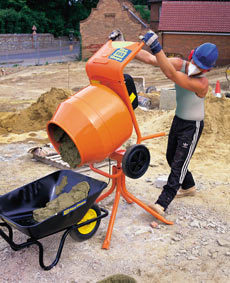
Now let us talk about a topic many buyers overlook: how concrete mixer weight affects stability. Weight is not just about moving the machine. It also affects how safe and steady the mixer feels in operation. A very light mixer may seem attractive at first. It is easier to transport and easier to reposition. But when loaded, it may feel less stable, especially on uneven ground or during discharge. A stable mixer should feel planted, not nervous. If the frame shakes too much or shifts under load, the machine becomes harder to control. That is bad for both efficiency and safety. Of course, heavier is not always better. Smart frame design matters too. Good balance, strong support and sensible wheel placement often make a bigger difference than a few extra kilograms. So, do not judge weight in isolation. Think of it as part of the full stability picture. A mixer should be easy to handle, but not so light that it behaves like it has stage fright.
One of the most important checks in any concrete mixer size guide is drum capacity vs mixing capacity. These two numbers sound similar, but they are not twins. Drum capacity tells you the total internal size of the drum. Mixing capacity tells you how much material the mixer can handle properly in real work. That second number is the one that earns your attention. If you judge a machine only by drum size, you may expect more output than it can deliver. That usually ends with overloading, slower mixing and a machine that looks offended by the whole process. So always compare the usable batch size. That is the figure that tells you what the mixer can actually do, not just what the brochure wants you to admire.
The right mixer is not the one with the loudest spec sheet. It is the one that matches your job size, site access and output needs without making daily work harder than it should be. If the site is tight, a portable concrete mixer may be the best answer. If output matters more, focus on real concrete mixer capacity rather than headline drum size. If the ground is rough or movement is frequent, pay close attention to how concrete mixer weight affects stability. A machine should stay calm under load, not wobble like it had too much coffee. In the end, smart selection is about fit. Choose the mixer that works with your project, not against it. When the machine suits the job, the whole site feels more efficient and a lot less dramatic.

