A construction equipment supplier of construction machinery solutions for 30 years. WhatsApp:+86-18968212829
Language
A construction equipment supplier of construction machinery solutions for 30 years. WhatsApp:+86-18968212829
A jumping jack compactor is a powerful construction tool designed to compact soil, gravel, and other materials using a rapid, vertical “jumping” motion. Also known as a tamping rammer, this machine is widely used in construction projects where tight, dense soil compaction is required.
Unlike flat compactors, the jumping jack compactor uses high-impact force to compress soil in layers. This makes it highly effective in cohesive soils such as clay and silt, where other machines struggle to perform efficiently.

In construction, a solid foundation is everything. Without proper soil compaction, structures can shift, crack, or even collapse over time. That’s where the jumping jack compactor becomes indispensable.
It’s especially useful in:
Trenches
Narrow spaces
Foundation bases
Road repair projects
Because of its compact size and powerful force, it ensures stability even in hard-to-reach areas.
The jumping jack compactor operates using a piston-driven mechanism powered by gas, diesel, or electricity. This mechanism creates rapid upward and downward movements, delivering high-impact force to the ground.
The “jumping” action allows the machine to:
Penetrate deep into the soil
Remove air pockets
Increase soil density
Key parts of a jumping jack compactor include:
Engine: Powers the machine
Spring System: Creates the jumping motion
Foot Plate: Delivers impact to the soil
Fuel Tank: Stores fuel (for gas/diesel models)
Handle: Allows operator control
Each component works together to ensure efficient and consistent compaction.
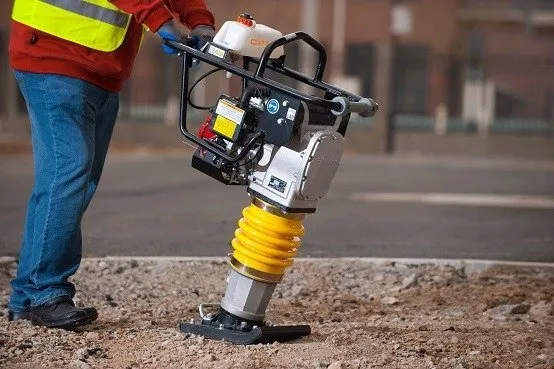
These are the most common types. They are:
Powerful
Portable
Ideal for outdoor use
However, they require regular fueling and maintenance.
Electric models are:
Eco-friendly
Quiet
Suitable for indoor projects
But they may lack the power needed for heavy-duty jobs.
Diesel compactors offer:
High efficiency
Long operational life
Better fuel economy
They are often used in large-scale construction sites.
One of the biggest advantages of a jumping jack compactor is its ability to deliver deep and uniform compaction. This ensures long-lasting stability for any structure.
Thanks to its narrow design, it works perfectly in tight areas like trenches and corners where larger machines cannot reach.
With its high-impact force, the machine reduces the time and effort required for compaction, boosting productivity.
Most jumping jack compactors are built with rugged materials, making them suitable for tough construction environments.
Used to compact soil before laying asphalt, ensuring smooth and durable roads.
Essential for creating stable bases for buildings and structures.
Perfect for compacting soil in gardens, pathways, and outdoor designs.
When buying a jumping jack compactor, consider:
Engine power
Compaction force
Machine weight
Brand reputation
Ease of maintenance
While cheaper models may save money upfront, investing in a high-quality machine ensures better performance and longevity.
Maintain a firm grip
Operate on stable ground
Avoid overexertion
Always wear:
Safety gloves
Steel-toe boots
Ear protection
Safety goggles
Check engine oil levels
Inspect air filters
Examine foot plate for wear
Tighten loose bolts
Common problems include:
Engine not starting
Reduced compaction force
Excessive vibration
Regular maintenance helps prevent these issues.
Using the machine beyond its limits can cause damage and reduce lifespan.
Skipping routine checks leads to costly repairs and downtime.
| Feature | Jumping Jack Compactor | Plate Compactor |
| Motion | Vertical | Flat vibration |
| Best For | Clay soil | Sand & gravel |
| Size | Compact | Larger |
| Force | High impact | Surface-level |
Choose a jumping jack compactor for deep compaction and confined spaces, while plate compactors are better for large, flat surfaces.
Gas and diesel models consume fuel but offer higher power output.
Electric compactors reduce emissions and are better for indoor or environmentally sensitive areas.

