Product knowledge popularization
A construction equipment supplier of construction machinery solutions for 30 years. WhatsApp:+86-18968212829
Language
A construction equipment supplier of construction machinery solutions for 30 years. WhatsApp:+86-18968212829
Read the Concrete Mixer Manual
Before using a concrete mixer, always read the manual. Every machine comes with specific instructions from the manufacturer. These instructions explain how to start the machine, how to stop it, how to add materials, and how to clean it after use. They also provide guidance on maintenance schedules and safety rules.
Ignoring the manual can cause serious problems, such as breakdowns, accidents, or poor-quality concrete. A concrete mixer is a powerful piece of equipment, and incorrect use can be dangerous.
For beginners, the manual acts as a clear guide to safe operation. For experienced workers, it provides reminders about best practices. Even the same type of concrete mixer can have differences in design or operation depending on the brand. Reading the manual carefully ensures that the operator uses the machine in the way it was designed. It also helps to extend the lifespan of the equipment and reduce repair costs.
Ningbo ACE Machinery Co., Ltd has been producing construction equipment for 29 years. The company focuses on delivering high-quality machines that are safe and easy to use. Every concrete mixer they manufacture comes with detailed manuals and training support. With a team of skilled engineers and quality control experts, ACE ensures that customers can operate mixers correctly and safely. This professional support makes a difference for contractors and distributors around the world.
Inspecting Your Concrete Mixer Before Use
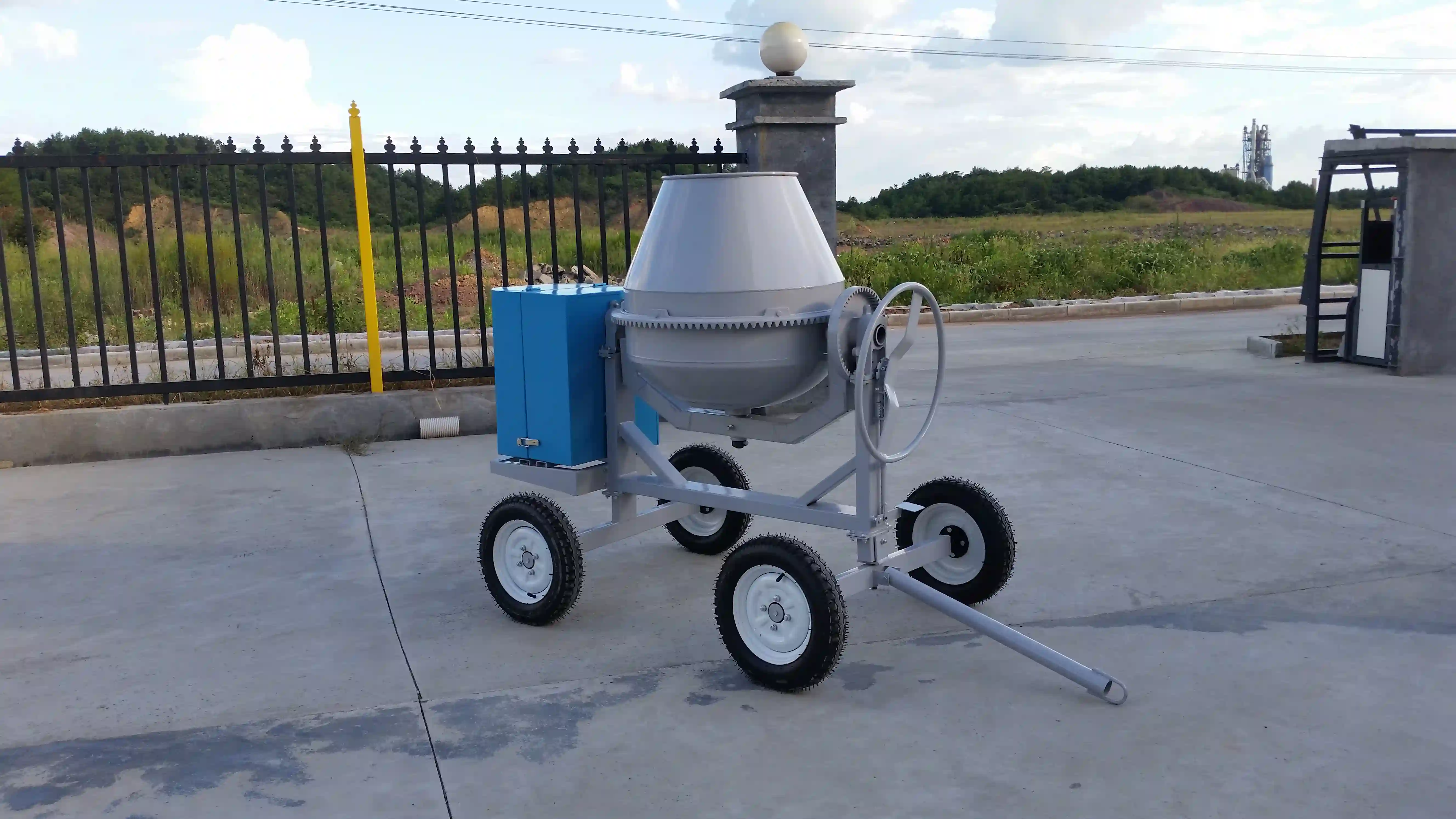
Always inspect the equipment before use. Check for leaks, worn belts, loose bolts, or damaged parts. Verify that the drum, engine, and controls are functioning properly. This simple step reduces risks, prevents breakdowns, and ensures safe mixing every time.
Wear Personal Protective Equipment
Operators should always wear personal protective equipment (PPE). This includes gloves, safety glasses, helmets, hearing protection, and durable footwear. PPE shields workers from dust, chemical splashes, and accidental injuries. Consistent use ensures a safe and compliant work environment.
Stay safe and mix smarter with proven practices.
How to mix concrete in a mixer
Learning how to mix concrete in a mixer is important for producing strong and reliable results. The first step is to prepare all materials before starting. Gather the cement, sand, gravel, and water in the correct amounts. Place the mixer on a level surface and make sure it is stable. Always add water to the drum first, followed by cement and aggregates. This prevents dry material from sticking to the sides and reduces dust in the air.
Once the materials are inside, switch on the mixer and let it run for three to five minutes. This ensures that the concrete is blended evenly. Do not overload the drum, as this will cause uneven mixing and stress on the machine. If necessary, stop the mixer to scrape the sides and add more water gradually for better workability. The goal is to produce a smooth and consistent mixture without lumps or dry patches.
Ningbo ACE Machinery designs concrete mixers with powerful motors and efficient mixing blades. This allows for faster mixing and more consistent results. Contractors in markets such as Germany, Peru, Thailand, and the USA trust these machines for daily operations. With proper use and mixing techniques, operators can achieve strong, durable concrete for every project.
Which concrete mix is suitable for which job
Not all concrete mixes are the same. Choosing the right concrete mix ratio depends on the type of job.
For basic construction tasks like floors, driveways, and garden paths, a standard ratio of 1:2:4 (cement: sand: gravel) works well. This ratio gives medium strength and is suitable for general use.
For projects that need more strength, like beams, columns, or load-bearing walls, experts suggest using a stronger mix of 1:1.5:3. This produces a denser mix that can handle more weight.
For small repair jobs or non-structural applications, you can use a leaner mix. These mixes contain less cement and more sand, making them cheaper and easier to work with. However, they are not as strong and should not be used for heavy construction.
In some cases, builders use additives or admixtures to improve workability, speed up curing, or resist extreme weather conditions. For example, in hot countries, water-retaining admixtures can prevent the concrete from drying too quickly.
Ningbo ACE Machinery helps customers worldwide choose the right concrete mix ratio for their projects. With years of sales experience in diverse markets, the company understands the differences in climate, regulations, and construction styles. By matching the right mix with the right job, contractors can save time, reduce waste, and build longer-lasting structures.
How to mix concrete ratio
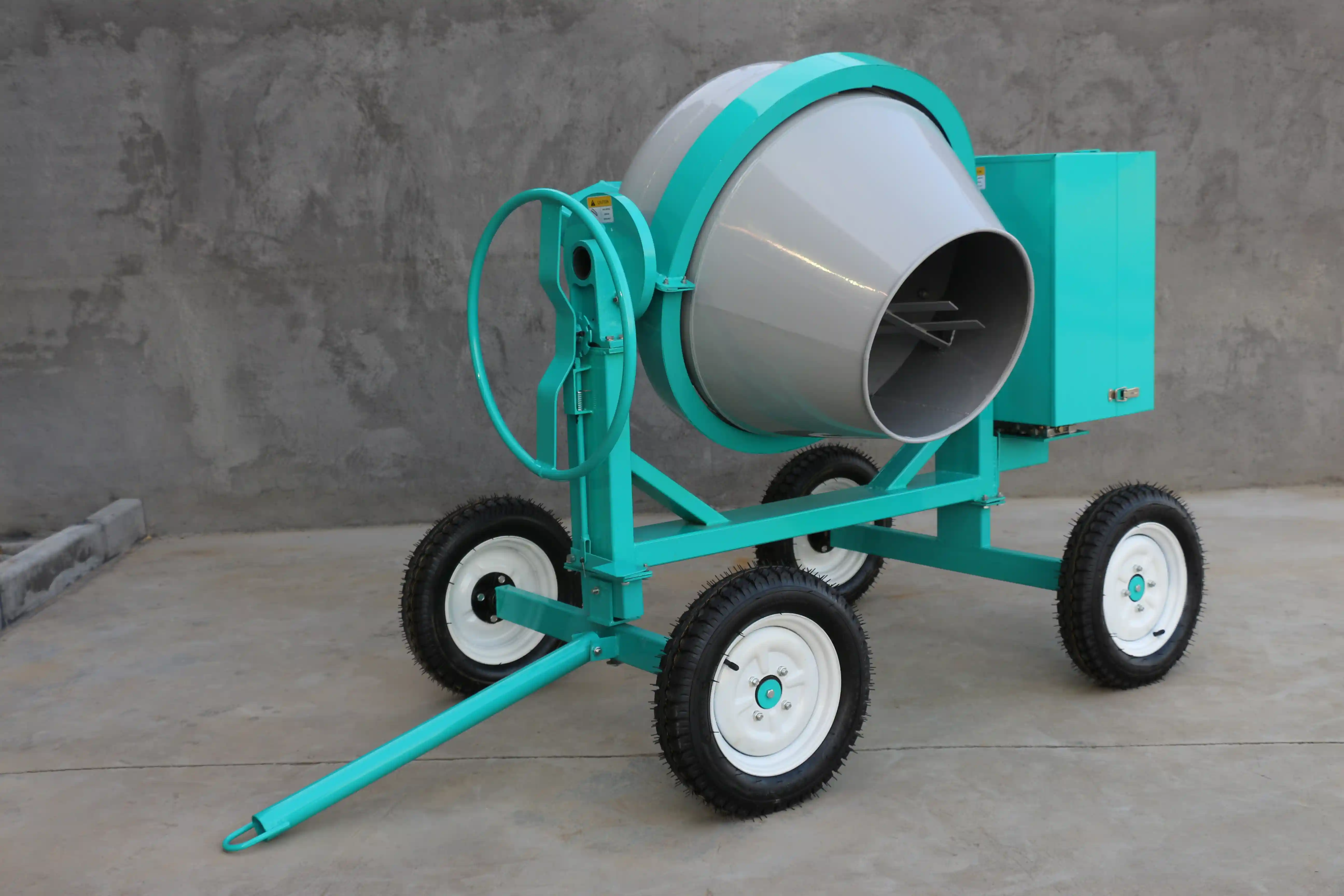
Understanding the correct concrete mix ratio is essential for any construction project. The strength and durability of concrete depend on getting the proportions right.
A 1:2:4 mix (one part cement, two parts sand, four parts gravel) is one of the most common. It provides about 20 MPa of strength and is suitable for paths, driveways, and general construction.
Builders use a stronger mix, such as 1:1.5:3, for foundations, structural supports, and areas under heavy load. This mix gives around 30 MPa of strength.
When mixing, always measure materials accurately. Using buckets or wheelbarrows helps to maintain the right proportions. On larger projects, weight-based batching is preferred for precision.
Too much water weakens the mix, making it less durable. Too little water makes it hard to work with. The right balance is key to strong, workable concrete. Mixing should continue until the texture is uniform, with no visible lumps of dry material.
ACE concrete mixers are built to maintain consistency during mixing. The design of the drum and blades ensures that the materials circulate evenly. This helps to maintain the exact concrete mix ratio throughout the process.
The company gives technical advice to customers. This helps them avoid common mistakes like segregation, poor curing, and wrong proportions. This guidance ensures that every mix meets construction standards and safety requirements.
Extra safety tips for operating a concrete mixer
In addition to the three main steps, there are extra safety practices that can make a big difference. Always keep hands and tools away from the drum while it is running.
Never try to clean the mixer until it has stopped completely. Make sure electrical connections are dry and safe, especially when using portable mixers outdoors. Regularly check that guards and covers are in place to prevent accidents.
Training is another key factor. Even if the mixer is easy to use, workers should receive proper instructions before operating it. Having a clear routine for starting, mixing, and cleaning reduces the risk of mistakes.
Keeping the work area clean and free from obstacles also improves safety. At Ningbo ACE Machinery, customers receive guidance on best practices to protect workers and improve site efficiency.
Conclusion
Safe mixing starts with preparation, continues with inspection, and succeeds through protective gear.

