Product knowledge popularization
A construction equipment supplier of construction machinery solutions for 30 years. WhatsApp:+86-18968212829
Language
A construction equipment supplier of construction machinery solutions for 30 years. WhatsApp:+86-18968212829
A mini excavator is a small, versatile, and efficient machine used in construction and landscaping. Unlike larger excavators, mini excavators are designed to work in tight spaces such as residential areas, small yards, and narrow job sites. Their compact size makes them easy to transport, while their strong hydraulic systems allow them to perform tasks such as digging, trenching, grading, and lifting. They can also be fitted with a wide variety of mini excavator attachments, including buckets, augers, breakers, and thumbs, making them highly adaptable.
The popularity of mini excavators has grown in recent years as urban projects and small-scale construction have increased worldwide. More contractors, homeowners, and utility companies are recognizing the benefits of these machines for everyday projects. Whether someone needs to dig a foundation, remove tree stumps, or complete road repair, a mini excavator can handle the job quickly and with less damage to surrounding areas.
Ningbo ACE Machinery Co., Ltd, a leading Chinese mini excavator manufacturer, brings more than 29 years of experience to this industry. With a dedicated research and development team, strict quality control, and fast delivery times, ACE has become a trusted partner for customers across Europe, Asia, and the Americas. The company’s machines are designed for long-term durability and cost efficiency, giving contractors the confidence they need when investing in new equipment.
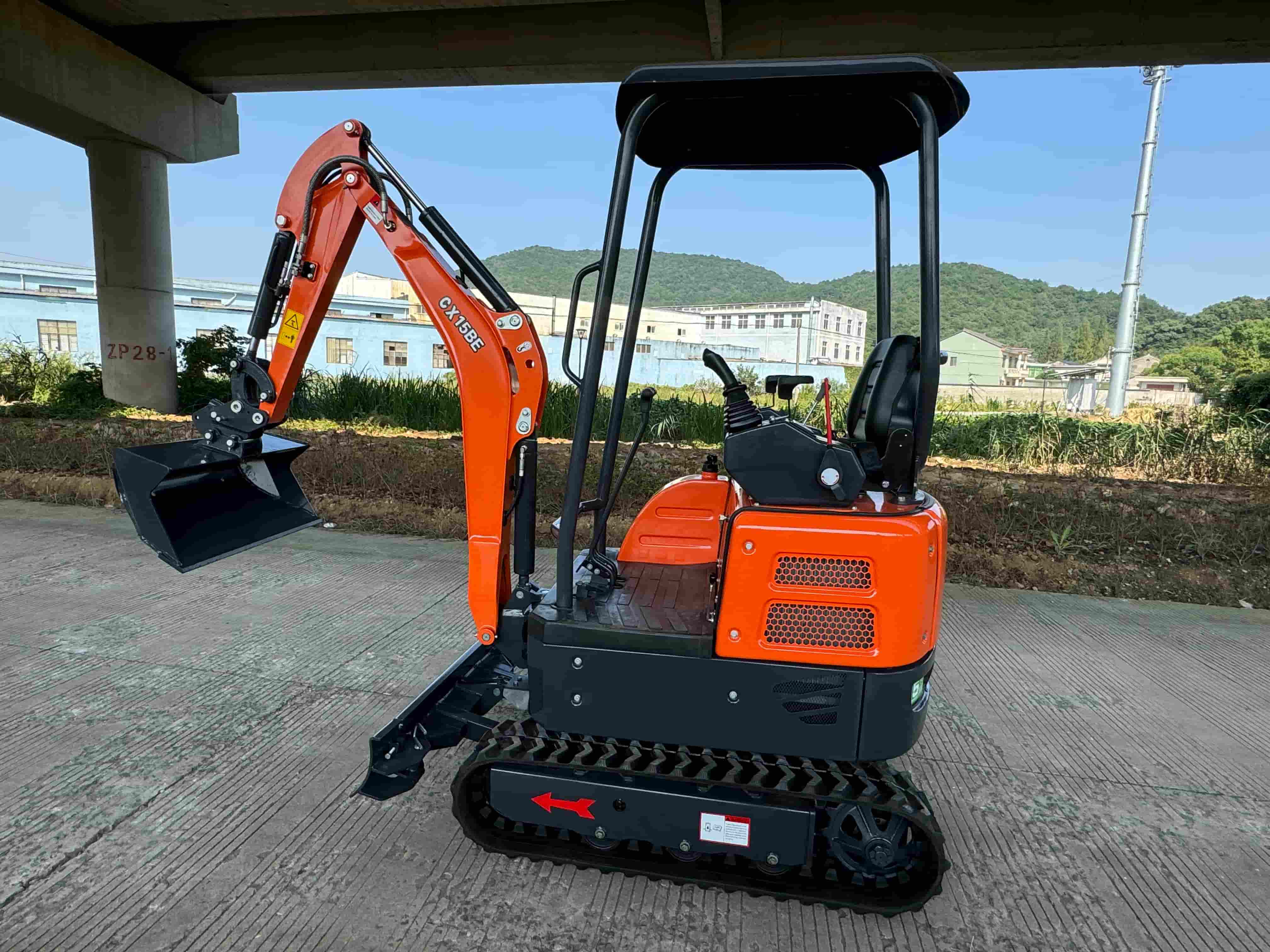
The first step is to inspect the excavator before operation.
Before operating, inspect the excavator carefully. Check engine oil, coolant, and hydraulic fluid levels. Look at hoses and hydraulic lines for leaks or damage. Inspect the tracks, undercarriage, and attachments for wear and tear. Ensure lights, alarms, and safety devices are working. A thorough inspection prevents accidents, reduces breakdowns, and improves job site safety.
The second step is to enter the cab and start the excavator engine.
Climb into the cab using three points of contact. Fasten the seatbelt and check that the controls are set to neutral. Insert the key, turn it, and allow the engine to start and idle. Wait a few moments so the machine’s hydraulics and systems stabilize before beginning work.
The third step is to become familiar with the excavator's controls and basic operations.
Understand how the joysticks, pedals, and levers work. The left joystick controls the boom and swing, while the right joystick operates the stick and bucket. Pedals manage movement and travel. Practice smooth movements like raising and lowering the boom and swinging the cab before starting real tasks.
How much does a mini excavator weigh?
Mini excavators are classified by their weight, and most models range from 1 ton to about 6 tons. Smaller machines, usually between 1 to 2 tons, are light enough for easy transport on a standard trailer. They are often chosen for landscaping, small construction, or indoor work. Mid-range machines between 3 to 5 tons are more powerful and suitable for general construction, trenching, and site preparation. Heavier mini excavators, around 6 tons, are used on tougher projects that need extra digging depth and lifting power.
The weight of the machine affects how it performs on different job sites. A lighter mini excavator has better maneuverability and causes less ground disturbance, which is important in residential projects. Heavier models offer more stability and lifting capacity for demanding tasks. Contractors looking for mini excavators for sale should carefully match the weight to the type of work they do most often. Transportation limits, trailer size, and local road rules should also be considered when choosing the right size and weight.
What size mini excavator do I need?
The correct size of mini excavator depends on the type of work being performed. Small machines between 1 and 2 tons are perfect for home projects, landscaping, and indoor tasks. Their compact design allows them to pass through narrow gates and work in confined areas. Mid-sized mini excavators between 3 and 5 tons are the most popular choice because they balance power and size. These machines can handle trenching, foundation digging, and site preparation without being too difficult to transport. Larger models around 6 tons are ideal for contractors working on heavy-duty projects that require deeper digging and stronger lifting power.
When choosing the right size, it is also important to consider the type of mini excavator attachments being used. For example, augers and breakers may require more hydraulic flow and lifting capacity. In addition, transportation and trailer compatibility must be reviewed. Contractors should think about both the present job and potential future work when selecting the size of a mini excavator, ensuring long-term usability and return on investment.
Are mini excavators worth it?
Yes, mini excavators are worth the investment for both small contractors and larger construction companies. Their compact size, ability to handle multiple attachments, and relatively low operating costs make them a valuable addition to any fleet. They are efficient for jobs such as trenching, grading, and demolition while reducing manual labor and saving time. Compared to renting equipment repeatedly, owning a mini excavator often pays for itself after just a few projects.
With a wide variety of mini excavators for sale, including affordable Chinese mini excavator models, buyers can choose machines that fit their budgets and project needs. Contractors who only use these machines occasionally may find it more practical to rent mini excavator equipment instead of purchasing. However, for companies with ongoing projects, ownership brings reliability, availability, and cost savings. The resale market for mini excavators is also strong, so even after years of use, owners often recover a good portion of their investment when selling.
How to start a mini excavator?
Starting a mini excavator is simple but must be done carefully to ensure safety. After inspecting the machine and ensuring it is in good condition, use three points of contact to climb into the cab. Sit in the seat, buckle the seatbelt, and make sure the control levers are in the neutral position. Insert the key into the ignition and turn it to start the engine. Allow the engine to idle for a few minutes so the hydraulic systems can stabilize. Test the joysticks, pedals, and levers before beginning real work to confirm everything is responsive and functioning properly.
New operators should spend some time practicing in an open area with no obstacles. This helps build confidence and improves control of the machine. Proper training and familiarization with the equipment are important steps in avoiding accidents and achieving efficient operation. Whether operating for the first time or after a break, following the right startup procedure ensures the machine runs smoothly and safely.
Conclusion
Mini excavators are powerful, flexible, and reliable tools for modern construction. By inspecting the machine, starting it properly, and mastering the controls, operators can achieve safe and productive results. Choosing the right model and size ensures maximum efficiency and return on investment.

