Product knowledge popularization
A construction equipment supplier of construction machinery solutions for 30 years. WhatsApp:+86-18968212829
Language
A construction equipment supplier of construction machinery solutions for 30 years. WhatsApp:+86-18968212829
In the world of construction, civil engineering, and landscaping, achieving a stable and durable foundation is paramount. Plate compactors from Ningbo ACE Machinery Co., Ltd., particularly vibratory plate compactors, play a crucial role in this process by compressing soil, gravel, sand, and asphalt to create solid surfaces. These machines are indispensable for projects ranging from road building to garden pathways, ensuring longevity and safety in built environments. This article delves into the technical aspects of plate compactors, their operational principles, key features, and best practices for use, drawing on industry standards to help professionals and enthusiasts alike.


A vibratory plate compactor is a heavy-duty machine designed to consolidate loose materials through vibration and downward force. It consists of a flat, heavy base plate that vibrates at high frequencies, forcing particles in the soil or aggregate to settle closely together, expelling air and moisture for increased density. Many models function as forward plate compactors, moving in one direction for straightforward operation in open areas.
The importance of proper compaction cannot be overstated. Inadequate soil preparation can lead to structural failures, such as cracking pavements or uneven foundations. According to engineering guidelines from organisations like the European Committee for Standardization (CEN), effective compaction reduces settlement risks and enhances load-bearing capacity. Whether you're working on a small residential project or a large infrastructure development, investing in the right plate compactor ensures compliance with safety regulations and prolongs the lifespan of your work.
At the heart of a plate compactor's functionality is its vibratory mechanism. Powered typically by a petrol engine—air-cooled, four-stroke, single-cylinder designs are common—the machine generates centrifugal force through an eccentric weight system. This force, often ranging from 10 kN to 20 kN depending on the model's size, combines with the plate's weight to drive vibrations into the ground.
The vibration frequency, usually around 5,000 to 6,000 vibrations per minute (vpm), is key to efficiency. As the forward plate compactor moves forward at speeds of about 20 metres per minute, it compacts materials to depths of 30 cm to 40 cm. This process is particularly effective for granular soils like sand and gravel, where vibration helps particles rearrange into a denser matrix. For cohesive soils, the added force aids in breaking down clumps.
Optional features, such as water tanks for use as an asphalt compactor, help prevent material sticking to the plate, while heavy-duty shock mounts minimise vibrations transmitted to the operator, reducing fatigue and improving control.
One common consideration is reversible plate compactor vs forward models. Forward plate compactors are lightweight and manoeuvrable, ideal for smaller jobs and confined spaces. In contrast, reversible versions allow bidirectional movement, offering greater control in tight areas like trenches without needing to turn the machine around. Reversible models typically provide higher centrifugal force for deeper compaction but are heavier and more complex to operate.
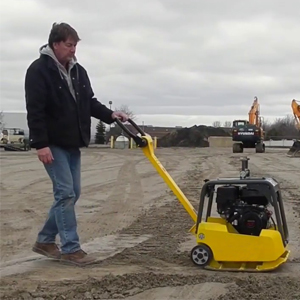
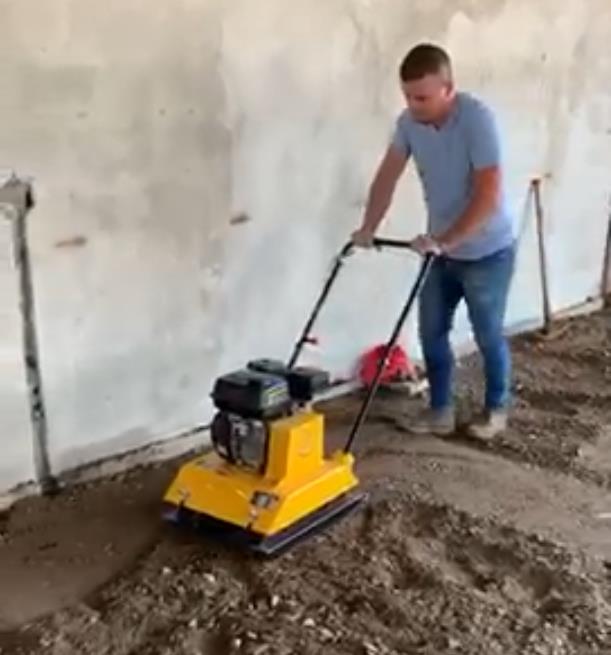
When selecting a vibratory plate compactor, several technical specifications influence performance and suitability for specific tasks:
Centrifugal Force and Weight: The force output determines compaction depth and efficiency. Lighter machines (around 60-80 kg) with forces of 10-15 kN are ideal for confined spaces and lighter materials, while heavier units (90-120 kg) delivering 15-20 kN excel in deeper compaction of aggregates.
Plate Size and Material: Base plates typically measure 500-660 mm in length and 350-510 mm in width, made from durable materials like cast iron or high-strength steel for longevity. Larger plates cover more ground quickly, boosting productivity up to 600-700 square metres per hour.
Engine Options: Reliable power sources include engines from reputable manufacturers, offering 5-6.5 horsepower. These provide consistent performance with features like easy starting and low emissions, aligning with EU environmental standards such as Stage V regulations.
Accessories for Versatility: Foldable handles enhance transportability, trolley wheels simplify movement on site, and rubber mats allow for gentle compaction on sensitive surfaces like brick paving. Protective frames safeguard the engine during operation.
These features contribute to user-friendly designs that prioritise durability, low maintenance, and high performance, making plate compactors a staple in European construction practices.
Vibratory plate compactors find widespread use in various sectors:
Construction and Civil Engineering: For backfilling trenches—where a dedicated trench backfill compactor ensures layered, stable fills—and compacting sub-bases under foundations.
Road and Pavement Works: Essential for asphalt laying with an asphalt compactor, where vibration ensures a smooth, even surface resistant to weathering.
Landscaping and Gardening: Ideal for compacting soil in pathways, patios, and garden beds, preventing erosion and promoting healthy plant growth.
Utility Installations: Used in areas around pipes and cables to avoid future settling that could damage infrastructure.
Their compact design allows easy manoeuvrability in tight spaces, such as urban environments common in European cities, where space constraints demand flexible equipment.
To optimise your investment, consider these factors based on project needs:
Material Type: Granular materials respond well to higher frequencies, while cohesive soils benefit from greater force.
Site Conditions: For wet or sticky surfaces, models with water tanks or non-stick plates are preferable.
Operator Comfort: Look for reduced-vibration handles and ergonomic designs to comply with EU health and safety directives like the Vibration Directive (2002/44/EC).
Efficiency and Speed: Balance plate size with travel speed to match project timelines.
Maintenance Requirements: Opt for machines with accessible parts and robust builds to minimise downtime.
Consulting with suppliers or referring to EN standards can guide selections tailored to regional climates and soil types prevalent in Europe, from the clay-rich soils of the UK to the sandy terrains of Scandinavia.
Regular maintenance extends the life of your plate compactor. Clean the base plate after each use, check engine oil levels, and inspect belts and mounts for wear. Annual servicing by certified technicians ensures compliance with warranty terms and safety norms.
Safety is critical: Always wear protective gear, including ear defenders, gloves, and sturdy boots. Operate on stable ground, avoid steep slopes, and never leave the machine unattended while running. Following guidelines from bodies like the Health and Safety Executive (HSE) in the UK helps prevent accidents and promotes a secure working environment.
Vibratory plate compactors represent a blend of engineering precision and practical utility, transforming loose materials into reliable foundations. By understanding their technical workings and selecting features that align with your needs, you can achieve superior results in construction and beyond. For those in Europe, adhering to local standards not only ensures quality but also supports sustainable building practices. Whether you're a contractor or a DIY enthusiast, mastering this equipment can significantly elevate your project's success.
For high-quality plate compactors and related tools, explore options from Ningbo ACE Machinery Co., Ltd. at their official website to stay ahead in efficient site preparation.

