Product knowledge popularization
A construction equipment supplier of construction machinery solutions for 30 years. WhatsApp:+86-18968212829
Language
A construction equipment supplier of construction machinery solutions for 30 years. WhatsApp:+86-18968212829
Basic Mechanism of Power Trowels
A power trowel is an essential machine in construction, built to smooth and finish concrete surfaces. Its mechanism relies on rotating blades powered by gasoline, diesel, or electricity. As the blades spin, they level, compact, and polish freshly poured concrete.
For contractors, a concrete power trowel saves time and reduces labor. Project managers appreciate its ability to deliver consistent, durable surfaces for industrial and commercial projects. From an industry view, the machine ensures efficiency and cost savings on jobsites.
Manufacturers like Ningbo ACE Machinery Co., Ltd combine engineering expertise with strict quality control. Their ride on power trowel and electric power trowel models are customizable, built for performance, and trusted by global suppliers and distributors.
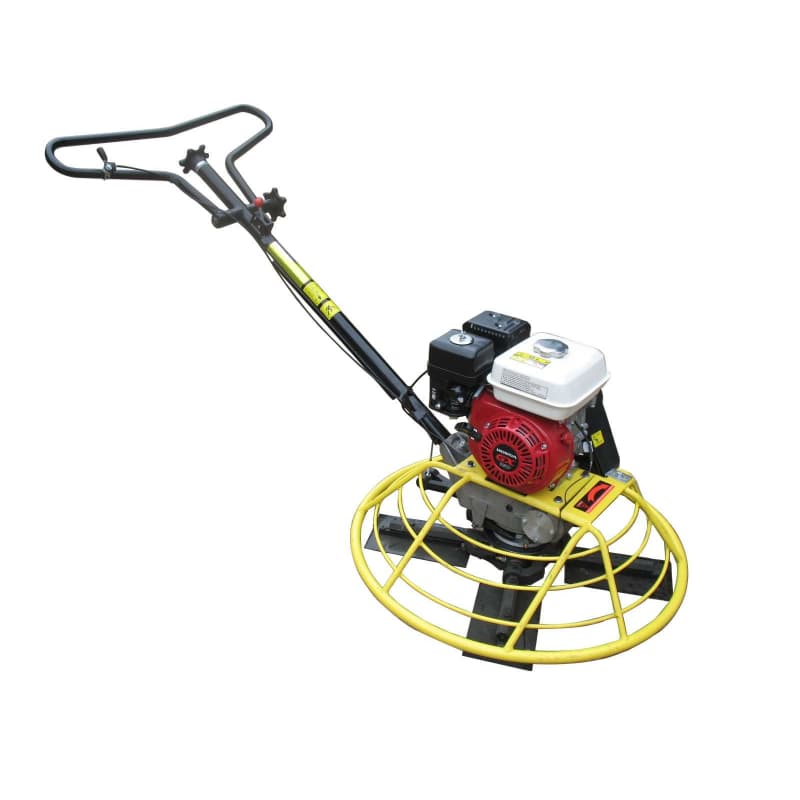
Types of Power Trowels
Power trowels include two main types: walk-behind and ride on power trowels. Walk-behind models are suited for smaller slabs, while ride-on machines handle larger floors. Both can be powered by gasoline, diesel, or electric motors, depending on project requirements.
Benefits of Using Concrete Power Trowels
Concrete power trowels create smooth, strong finishes, saving labor and time. They improve efficiency, boost durability, and deliver consistent results across jobsites.
Keep reading to learn how power trowels improve performance and reliability.
What is the purpose of a power trowel?
The purpose of a power trowel is to finish concrete surfaces by compacting and smoothing them. This ensures slabs are dense, durable, and visually appealing. Without proper troweling, concrete may crack, scale, or lose strength over time.
Ride on power trowels are used on large projects like warehouses and factories for faster coverage. Electric power trowels are quieter and emission-free, making them suitable for indoor construction. Walk-behind trowels are ideal for small residential or commercial jobs.
Across industries, the goal remains the same: deliver long-lasting, professional-quality concrete finishes. A concrete power trowel helps achieve both structural strength and surface uniformity.
How long should concrete be set before troweling?
Timing is critical in concrete finishing. Power troweling should start once concrete is firm enough to support weight but still workable. This window usually occurs two to six hours after pouring, depending on conditions.
Contractors use the “footprint test.” If a footprint leaves a shallow mark of about 3 mm, the slab is ready. Starting too early risks damage, while starting too late makes the surface too hard for effective finishing.
Ride on power trowels handle large surfaces during this stage, while electric power trowels offer a precise, eco-friendly option indoors. Proper timing ensures maximum strength and a flawless finish.
How does a power trowel work?
A power trowel operates with rotating blades that apply pressure across the concrete surface. Blades at low pitch perform floating, leveling the slab and bringing water to the surface. Blades at higher pitch polish the surface for a dense finish.
Ride on power trowels allow operators to sit and steer, covering large areas quickly. Walk-behind models are controlled by hand and used for smaller projects. Electric power trowels are lightweight and practical for indoor jobsites where emissions must be controlled.
By combining power, blade adjustment, and operator control, a concrete power trowel delivers smooth, uniform, and professional results in less time than manual finishing.
How to use a power trowel
Using a power trowel requires timing and skill. Start once the concrete is properly set. Begin with blades flat for floating, making overlapping passes. As the concrete hardens, increase blade pitch to polish the surface.
Ride on power trowels are best for large floors, allowing seated operation and reducing fatigue. Electric power trowels are preferred indoors for quiet, emission-free use. Walk-behind trowels are versatile for smaller areas.
Operators should always wear protective gear and follow safety guidelines. With training and practice, contractors can maximize the efficiency and lifespan of a concrete power trowel.
Additional Applications of Power Trowels
Power trowels are used beyond flooring. In commercial construction, ride on power trowels finish shopping malls, factories, and parking decks. Residential builders use walk-behind models for patios, driveways, and home interiors.
In agriculture, trowels finish barn floors and storage facilities, creating easy-to-clean and durable surfaces. For urban projects, electric power trowels are ideal in enclosed spaces, offering quiet, efficient operation.
These diverse uses highlight the importance of concrete power trowels across multiple industries, making them indispensable for modern construction.
Choosing Between Walk-Behind, Ride-On, and Electric Power Trowels
Choosing the right trowel depends on project size and conditions. Walk-behind power trowels are affordable and maneuverable, perfect for small- to medium-sized jobs. Ride on power trowels are suited for large projects where speed and efficiency are priorities.
Electric power trowels are increasingly popular for indoor or eco-conscious projects. They operate quietly and without emissions, making them safer for enclosed jobsites. Contractors benefit from their precision and lower operating costs.
Ningbo ACE Machinery Co., Ltd offers all three options with customizable designs. Their expertise ensures equipment suited to residential, commercial, and industrial markets.
Maintenance Tips for Power Trowels
Regular maintenance keeps a power trowel efficient and reliable. Operators should check oil levels, inspect blades, and tighten bolts before each use. Hydraulic systems on ride on power trowels need frequent checks to avoid leaks.
For electric power trowels, inspect wiring and motors regularly. Blades must be adjusted correctly and replaced when worn to maintain smooth finishes. Preventive care reduces downtime and extends machine life.
Manufacturers like ACE Machinery provide detailed guides to simplify maintenance. With proper care, a concrete power trowel consistently delivers professional results across projects.
Summary
Power trowels provide efficient, durable, and professional concrete finishes for projects of all sizes and industries.

