A construction equipment supplier of construction machinery solutions for 30 years. WhatsApp:+86-18968212829
Language
A construction equipment supplier of construction machinery solutions for 30 years. WhatsApp:+86-18968212829
What is concrete vibrate?
Concrete vibrate means using a concrete vibrator or concrete vibrating tool to make fresh concrete compact and solid. When concrete is poured, it often traps air bubbles and leaves gaps between the cement paste and the stone or sand inside. If these gaps are not removed, the concrete will not be strong, and cracks may appear later. Vibration makes the mix settle evenly, pushing out air and letting the cement paste fully coat the aggregate. This creates dense and durable concrete that lasts much longer.
Many industries use concrete vibrators. In housing projects, vibration makes sure slabs and beams carry loads safely. In roads and bridges, vibration improves surface finish and long-term durability. Precast factories rely on vibration for columns, pipes, and blocks, so every unit meets the same standard. Even in large infrastructure projects like dams and airports, vibration is a key step to guarantee stability.
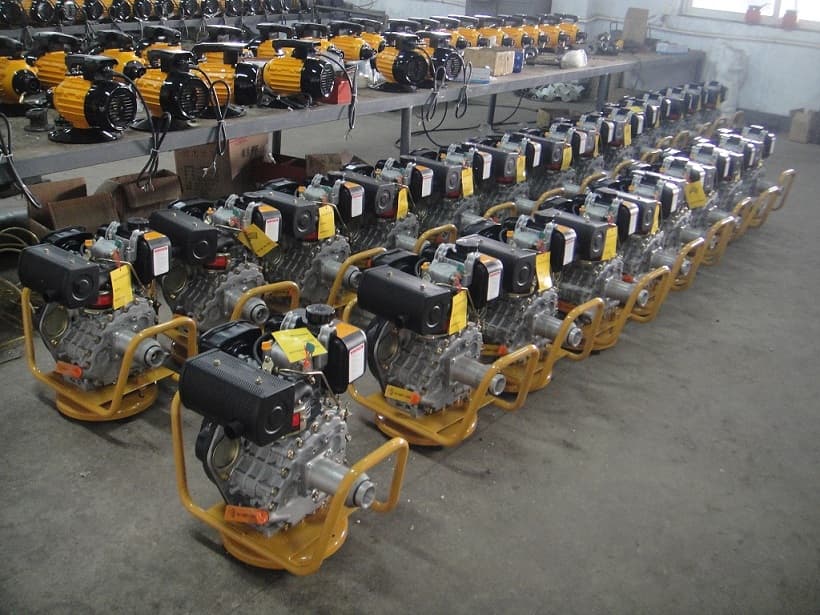
Ningbo ACE Machinery Co., Ltd has 29 years of experience in producing reliable electric concrete vibrator machines and other construction equipment. The company has its own R&D team, strict quality inspection with QC and QA departments, and fast delivery within 7–30 days. With global sales experience and customer training support, ACE Machinery provides durable tools that help workers get perfect vibration results in many countries.
Why use a concrete vibrate?
A concrete vibrate removes air bubbles, compacts the mix, and makes concrete stronger, smoother, and more durable, reducing cracks and weak spots.
How does a concrete vibrate work?
A vibrator sends fast vibrations into fresh concrete. The shaking makes air rise out, and the mix settles into a dense, solid mass.
How deeply should you vibrate concrete?
The depth of vibration depends on the type of vibrator, the thickness of the concrete, and the size of the vibrator head. For most jobs, the vibrator head should go deep enough to remove air but not touch the formwork or reinforcement. A good rule is to insert the vibrator so that it reaches about 25–50 mm above the bottom of the pour. This makes sure the bottom layer is compacted without damaging steel bars or the form.
When using an internal vibrator, insert it vertically, let it stay in place for 5–15 seconds, then slowly pull it up. If bubbles stop rising and the surface looks smooth, the section has been compacted well. Insertions should overlap each other by about one to two times the vibrator head diameter. For example, a 50 mm head should be inserted about every 50–100 mm. This overlapping pattern makes sure there are no gaps in compaction.
Thin slabs and shallow sections
For slabs less than 150 mm thick, a large vibrator head may be too strong. Instead, smaller heads or surface vibrators are used. A vibrating screed or beam vibrator can cover the entire surface and provide good consolidation. In these cases, depth is not as important as even coverage. The goal is to remove air and level the surface without overworking the mix.
Deep footings and tall elements
For columns, walls, or deep foundations, vibration should be done in layers. Place concrete in lifts of about 300–500 mm and vibrate each layer before adding the next. Insert the vibrator so it penetrates the current layer and just slightly into the layer below. This bonds the layers together and prevents weak cold joints. In very deep pours, use long flexible shafts so the vibrator reaches the bottom without difficulty.
What happens if you vibrate too much or too little?
Too little vibration leaves voids, honeycombing, and weak spots. These reduce strength and allow water to enter, causing cracks later. Too much vibration causes segregation, where heavy stones sink and cement paste rises, leaving an uneven mix. This makes the concrete weak in some spots and brittle in others. The best results come from following the correct depth, spacing, and dwell time for the vibrator being used.
How to choose a concrete vibrator?
Choosing the right concrete vibrating tool depends on the type of project, the concrete section size, and the available power source. There are several types of vibrators: internal (immersion), surface vibrators, external vibrators, and table vibrators. Internal vibrators are the most common on construction sites because they can be placed directly into the fresh mix. Surface vibrators are used for thin slabs, while external vibrators attach to formwork and are often used for precast products.
Consider the power source
Electric concrete vibrator models are popular in urban projects where electricity is easy to access. They are efficient, quiet, and easy to operate. Petrol or diesel vibrators are more suitable for remote areas with no power supply. Pneumatic vibrators are used in special situations where air supply is available. Each type has benefits, so it is important to match the power source to the project site conditions.
Match the head size to the job
Large vibrator heads are powerful and can compact thick concrete sections quickly. Small heads are better for thin elements and areas with dense reinforcement where space is limited. A flexible shaft allows the operator to reach deep into columns and walls. The shaft length should be chosen according to the depth of the pour to avoid unnecessary handling problems.
Check frequency and amplitude
Vibrators work by combining frequency (how fast they shake) and amplitude (how strong the movement is). High-frequency, low-amplitude vibrators are good for fluid mixes with smaller aggregates. Lower-frequency, high-amplitude vibrators are better for stiff mixes or large aggregates. Choosing the correct balance avoids both under-vibration and over-vibration.
Durability and maintenance
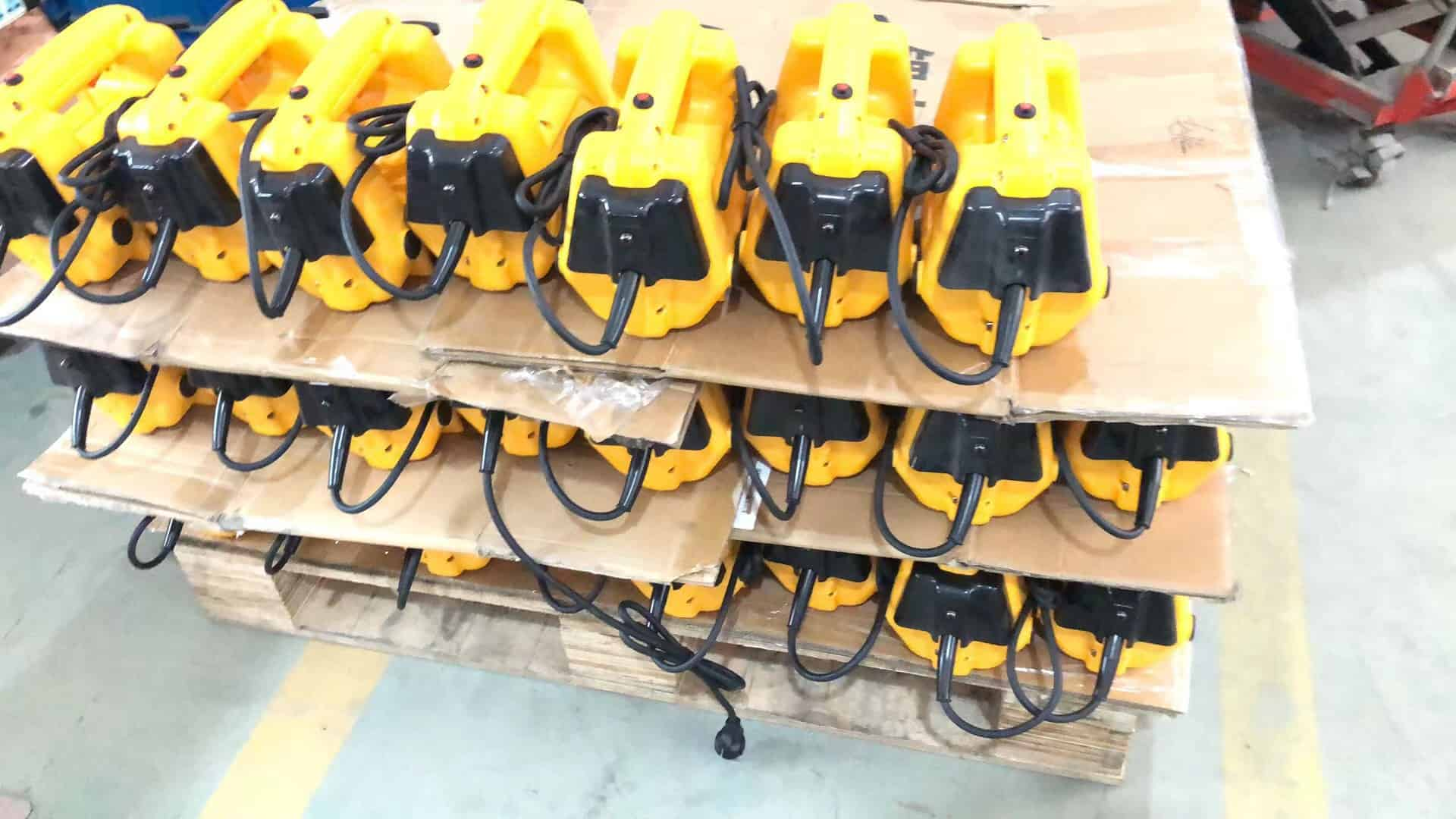
A good vibrator should be strong, easy to clean, and safe to maintain. Look for features like sealed bearings, strong shafts, and protective covers. Reliable suppliers provide spare parts and offer after-sales service. Ningbo ACE Machinery, for example, has a quality team and offers training for proper operation. This reduces downtime and ensures each tool provides long service life.
Best practices for vibrating concrete
Before vibration
Plan the insertion pattern in advance. Check that the vibrator head and shaft are in good condition. Make sure power cables or fuel connections are secure. Position workers so they can reach all areas without strain. If reinforcement is tight, use smaller heads to avoid damage.
During vibration
Insert the vibrator vertically, not at an angle. Do not drag it through the mix. Keep insertion spacing consistent and always overlap areas slightly. Hold the vibrator just long enough for bubbles to escape, then withdraw slowly. Avoid touching the formwork directly, as this may damage both the tool and the form.
After vibration
Once vibration is complete, allow the concrete surface to settle. Do not add water or rework the mix, as this weakens the structure. Protect the surface for proper curing. If any honeycombing or voids appear, repair them before they cause long-term issues.
Summary
Proper vibration depth and correct equipment ensure concrete is strong, smooth, and long-lasting.

