Product knowledge popularization
A construction equipment supplier of construction machinery solutions for 30 years. WhatsApp:+86-18968212829
Language
A construction equipment supplier of construction machinery solutions for 30 years. WhatsApp:+86-18968212829
Choosing the right concrete mixer directly impacts construction efficiency, structural reliability, and total project cost. In the modern construction environment—from residential foundations to large infrastructure projects—contractors require a consistent, high-quality output of concrete. A suitable electric, portable, or skid-steer concrete mixer ensures uniform mixing, reduces reliance on manual labor, and minimizes downtime. For companies managing multiple sites, choosing the right equipment contributes to workflow continuity.
A concrete mixer mixes cement, aggregate, and water in a rotating drum or mixing chamber. As the drum rotates, internal blades lift and fold the materials, creating a homogeneous mixture. Electric and portable concrete mixers use an electric motor to drive the rotation, ensuring uniform mixing. This controlled motion prevents segregation and efficiently produces ready-to-use concrete.
Concrete mixers offer faster production speeds, reduce worker fatigue, and provide more consistent quality than manual mixing. They improve efficiency, minimize material waste, and ensure reliable batches of concrete for construction projects.
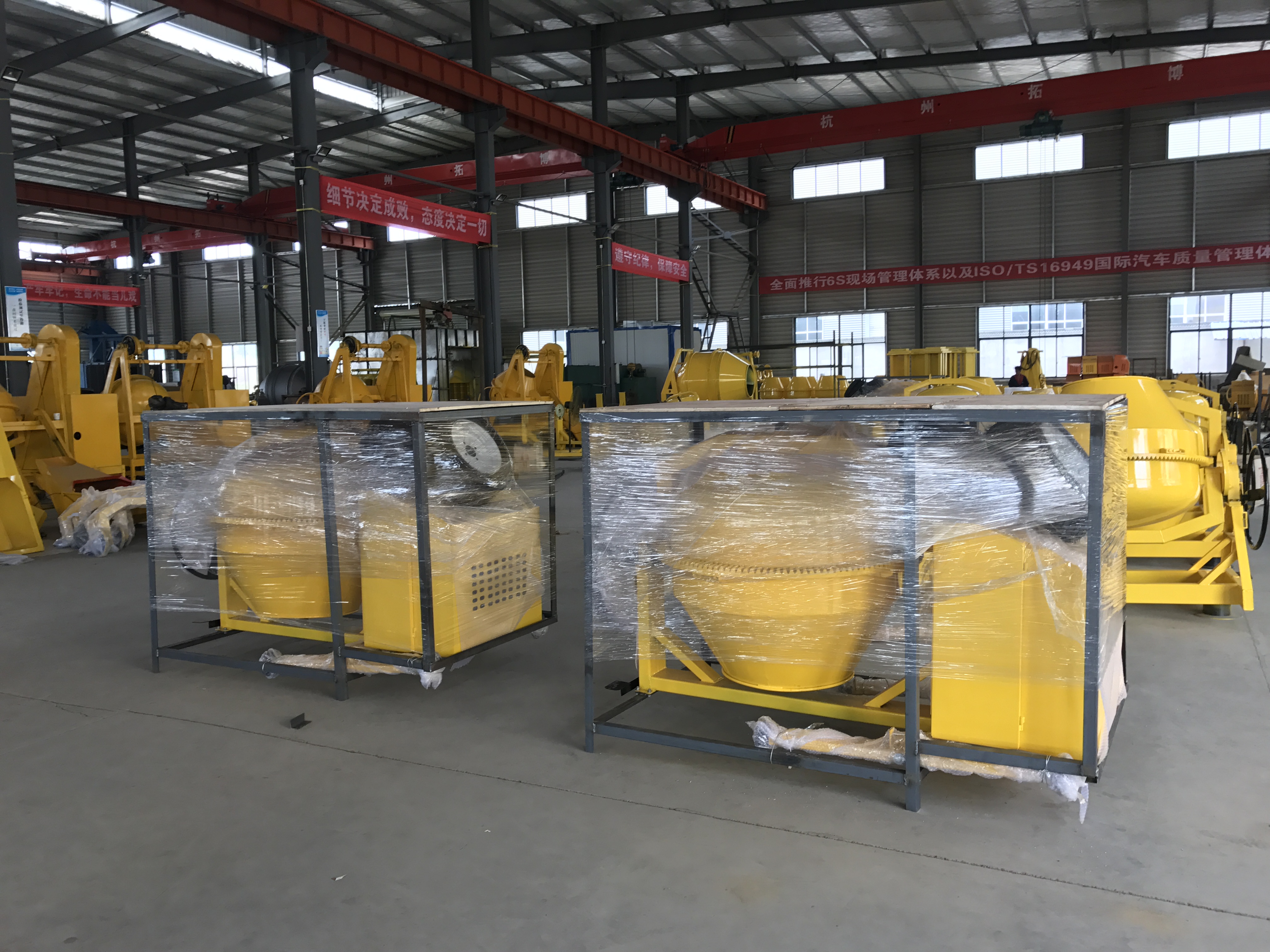
Concrete mixers significantly improve efficiency through automated mixing processes, which are often labor-intensive and prone to inconsistent quality. Using portable or electric concrete mixers, contractors can complete mixing in minutes instead of hours. This time saving helps meet tight project schedules, especially in high-demand environments such as road construction, residential development, and municipal projects.
Quality is equally crucial. The rotating drums and carefully designed blades ensure that each batch of concrete has consistent moisture content, aggregate distribution, and workability—factors essential for structural integrity. The mixer eliminates human error common in manual mixing, producing durable, homogeneous concrete that meets engineering specifications.
Purchasing a concrete mixer can bring significant long-term economic benefits to contractors, construction companies, and project owners. While initial costs vary by type—for example, electric concrete mixers are used on small sites, while heavy-duty skid-steer mixers are used for heavier tasks—the cost savings over time typically exceed the initial investment. Labor efficiency is one key factor. Automated mixing reduces the number of workers needed on site and avoids delays caused by uneven manual mixing.
Another cost benefit is reduced material waste. Improperly mixed concrete often results in unusable batches or reduced structural strength requiring repairs. Using a reliable concrete mixer ensures that each batch of concrete maintains a uniform density and slump, guaranteeing optimal use of raw materials. Companies relying on conventional construction operations can also benefit from increased project throughput, enabling them to complete more work in the same amount of time.
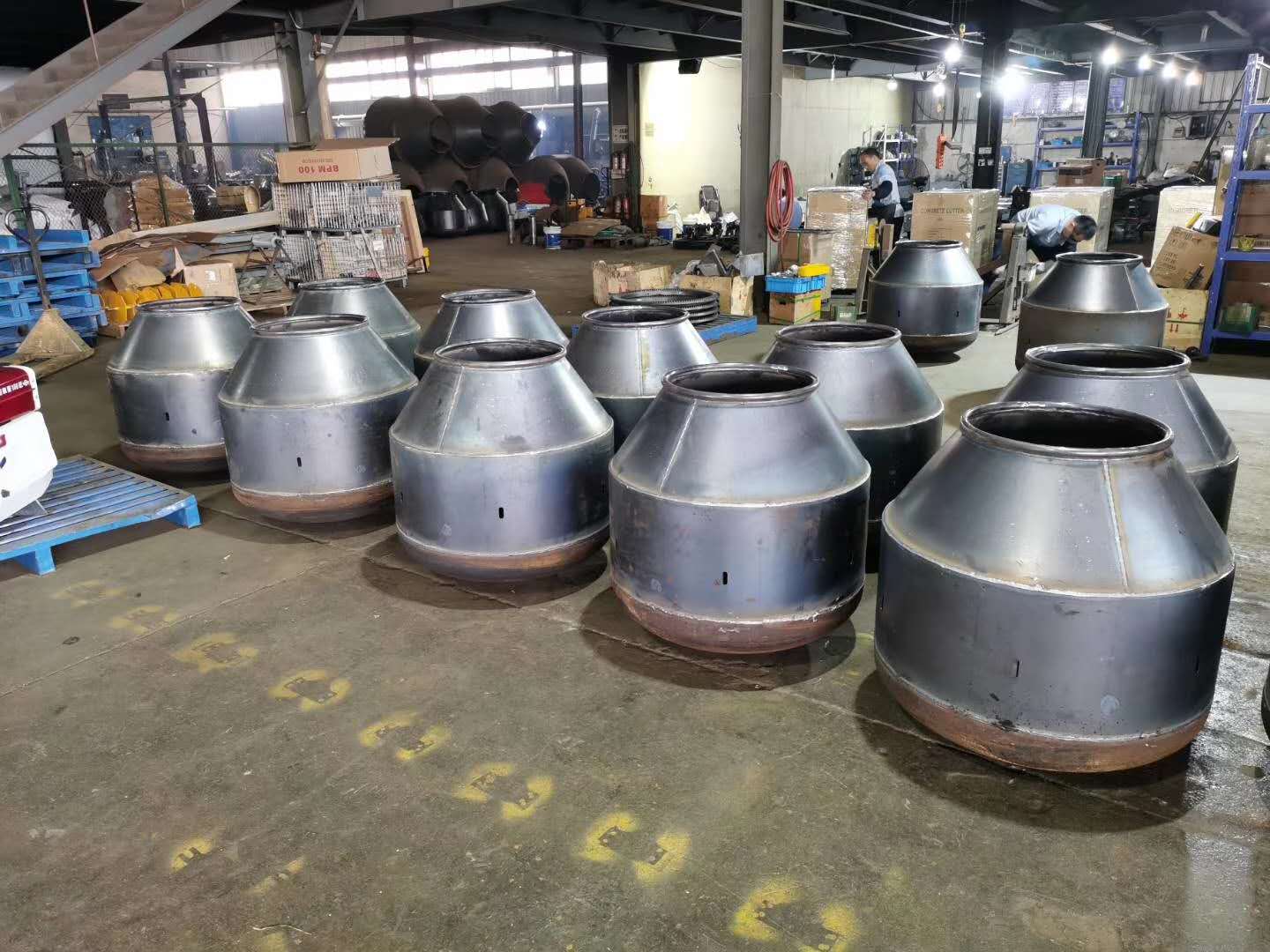
Cleaning a concrete mixer is critical for maintaining performance, preventing buildup, and extending equipment lifespan. The process should begin immediately after each use, when leftover concrete is still soft and easier to remove. First, the operator should add water and a small amount of aggregate into the drum, then run the mixer for several minutes to loosen residue. This abrasive slurry helps clean internal blades and surfaces automatically.
After draining, tougher deposits should be removed manually using a scraper or brush, ensuring safety measures are followed. For electric concrete mixers and portable concrete mixers, operators must disconnect power before cleaning. Skid steer concrete mixer attachments require hydraulic system shutdown prior to maintenance. Avoid using harsh chemicals, as they can damage seals and components. Consistent cleaning prevents drum imbalance, motor strain, and premature wear, ensuring long-lasting performance. Well-maintained mixers not only produce higher-quality concrete but also reduce repair costs and unplanned downtime.
Reliable concrete quality begins with the right mixer choice and consistent maintenance.
A well-chosen and properly maintained concrete mixer ensures consistent quality, boosts efficiency, and supports long-term construction performance across all project types.

