A construction equipment supplier of construction machinery solutions for 30 years. WhatsApp:+86-18968212829
Language
A construction equipment supplier of construction machinery solutions for 30 years. WhatsApp:+86-18968212829
Mini excavators are engineered for accuracy. Their compact structure, combined with hydraulic power and modern technology, allows for operations that demand meticulous precision. This becomes especially important in landscaped spaces where existing structures, plants, or delicate pathways must be preserved.
For example, when digging trenches for an irrigation system near garden beds or sidewalks, the margin for error is minimal. A mini excavator allows for fine grading and targeted trenching that would be challenging to accomplish with hand tools or larger equipment. The operator can carefully manipulate the boom, dipper, and bucket to move small amounts of soil without disturbing surrounding areas.
Additionally, zero-tail-swing models are designed to rotate within their own footprint. This feature is essential for navigating tight urban yards or enclosed spaces without causing damage to nearby fences, buildings, or trees. For contractors working in residential areas, this minimizes the risk of costly property damage and increases customer satisfaction.
Equipped with hydraulic couplers, mini excavators can quickly switch between attachments like augers for drilling, grapples for grabbing debris, or hydraulic breakers for demolishing small concrete slabs. This quick adaptability enhances job site control and allows the operator to handle diverse tasks using a single machine.
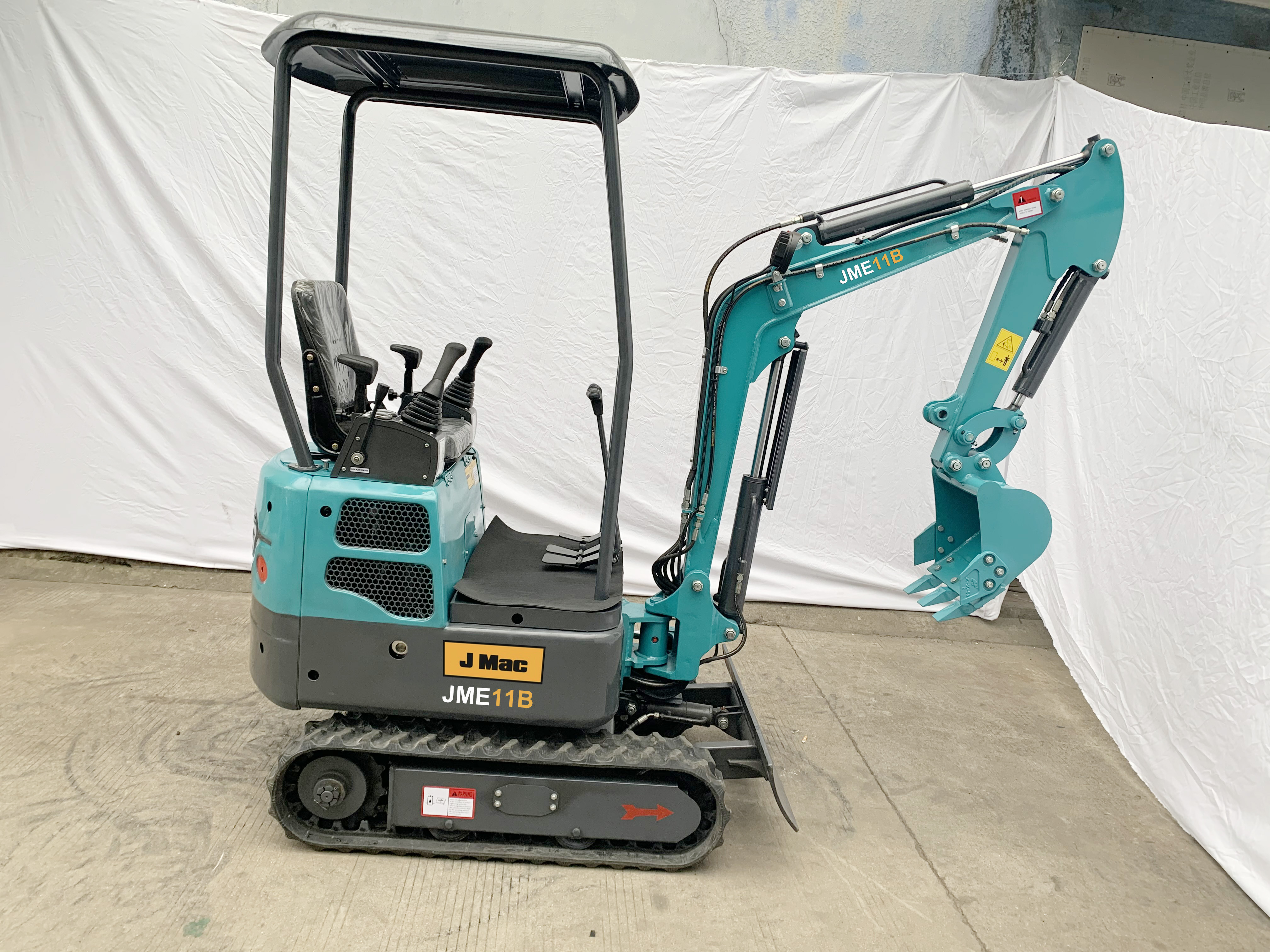
One of the most noticeable advantages of a mini excavator is how much time it saves during project execution. Tasks that might take days with manual labor can often be completed within hours. For example, excavating a trench by hand can involve several workers over multiple days, depending on soil conditions and project size. With a mini excavator, a single operator can accomplish the same task in a fraction of the time.
Beyond excavation, mini excavators are efficient at moving heavy objects such as rocks, stumps, and piles of soil or mulch. For landscaping projects involving materials transport, this means fewer trips with a wheelbarrow and less physical strain on laborers. As a result, teams can focus on more skilled aspects of the job—like planting or building—rather than spending energy on logistics.
Mini excavators are ideally suited for small to medium-sized landscaping projects, including:
Building koi ponds or artificial waterfalls.
Constructing retaining walls or terraces on sloped land.
Preparing the ground for patios, garden sheds, or decks.
Planting large trees with root balls that are too heavy to lift manually.
By speeding up repetitive and labor-intensive tasks, these machines contribute directly to higher productivity and faster project completion.
For many landscaping businesses or DIY homeowners, budget is a major consideration. Mini excavators offer a strong return on investment by reducing both fuel and labor costs. Their fuel-efficient engines consume far less than those of full-sized excavators, resulting in lower operating expenses.
In terms of labor, one mini excavator can replace several manual workers, especially when it comes to digging and hauling. Instead of hiring multiple people for a week-long project, one skilled operator can finish the same job in just a few days. This directly reduces payroll expenses while increasing output.
Furthermore, rental rates for mini excavators are generally affordable, making them accessible to individuals and small contractors alike. Some projects may require the use of the machine for just one or two days—perfect for homeowners undertaking weekend upgrades or seasonal maintenance. For businesses, long-term rentals or ownership can significantly cut equipment costs over time, especially when the machine is used across multiple projects.
The ability to use interchangeable attachments also reduces the need to purchase or rent separate machines for different tasks. Whether the goal is demolition, lifting, or grading, a single mini excavator can handle it all with the right attachments—maximizing value while minimizing cost.
Landscaping often involves working in areas that are already established or have delicate surfaces such as turf, flowerbeds, or paving stones. One of the greatest benefits of mini excavators is their low ground pressure, which reduces the risk of soil compaction and surface damage. This is critical when preserving the health of plant roots or maintaining the appearance of a lawn.
The lightweight frame of a mini excavator ensures that it can navigate soft ground without creating ruts or depressions. Many models come equipped with rubber tracks or tires, which are far gentler on finished surfaces compared to steel tracks or heavy treads. This feature is especially useful for interior landscaping within enclosed courtyards or public parks where surface preservation is vital.
For homeowners or landscapers who prioritize sustainability and environmental care, this reduced ground disturbance is a major advantage. Projects can be completed without needing to replace sod, replant flower beds, or reseed grass after machinery has passed through—saving both time and cost.
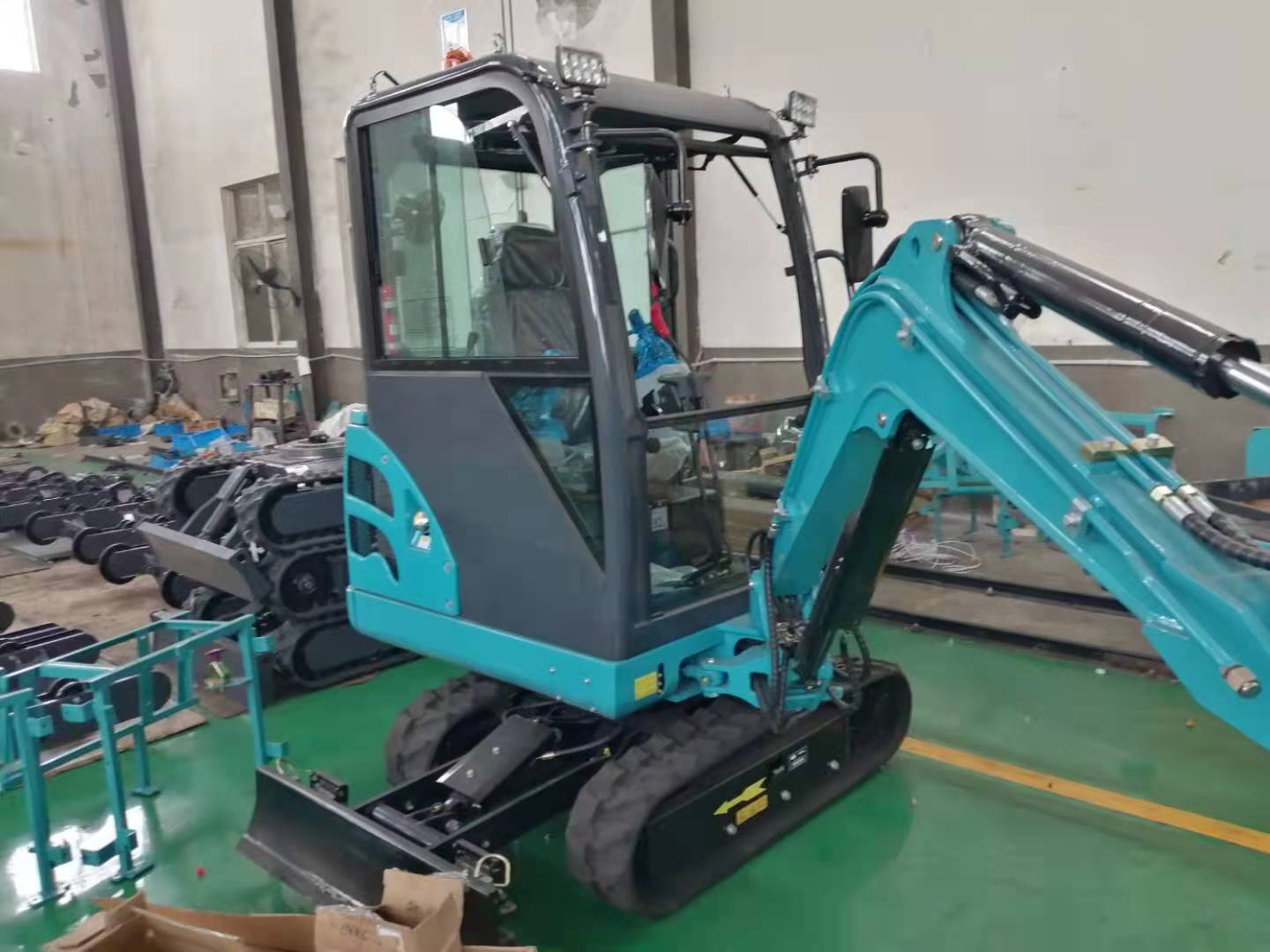
While digging is one of their core functions, mini excavators excel in a wide range of landscaping applications. Their adaptability makes them an ideal all-in-one solution for nearly every phase of a project.
Foundation Work
Mini excavators are commonly used to dig foundations for outdoor structures like garden sheds, greenhouses, or fire pits. With precision grading capabilities, they help ensure that the base is level and secure.
Drainage Installation
Managing water flow is a key part of landscaping. Mini excavators can dig trenches for drainage systems, French drains, or underground utilities quickly and efficiently—minimizing the time pipes or conduits are exposed to the elements.
Debris and Obstacle Removal
Old concrete slabs, boulders, or tree stumps can all be removed with a mini excavator using grapples or hydraulic breakers. This saves tremendous manual labor and speeds up site preparation.
Land Leveling & Grading
Before laying sod or planting beds, land must be leveled. Mini excavators are ideal for fine grading, allowing operators to create smooth, even surfaces with gentle slopes for proper drainage and aesthetics.
Seasonal Landscaping Projects
In fall or spring, mini excavators are often used to prepare gardens, dig out compost pits, or help with large-scale planting efforts. Their quick mobility and multi-functionality make them a year-round asset.
Mini excavators have earned their place as essential tools in modern landscaping thanks to their efficiency, versatility, and precision. They empower operators to work smarter—not harder—while protecting existing landscaping features and reducing overall project costs. For both professionals and DIY enthusiasts, the value they provide is undeniable.
From urban backyards to rural properties, mini excavators allow for high-quality results without the need for bulky machinery or extensive manual labor. Whether renting for a short-term project or investing in one for regular use, choosing a mini excavator is a decision that pays off in both the short and long term.
For those planning an upcoming landscaping project, it may be worth evaluating the specific needs of the job and identifying which mini excavator models and attachments are best suited to the task. With the right machine, even the most challenging terrain or complex design can be tackled efficiently and professionally.

