A construction equipment supplier of construction machinery solutions for 30 years. WhatsApp:+86-18968212829
Language
A construction equipment supplier of construction machinery solutions for 30 years. WhatsApp:+86-18968212829
What a plate compactor is
A plate compactor is a specialized piece of construction equipment designed to compress soil, gravel, sand, and asphalt into a more stable and level base. By using high-frequency vibrations transmitted through a heavy steel plate, the machine eliminates voids, increases density, and strengthens the subbase before paving, concreting, or landscaping. In civil engineering, plate compactors are indispensable for preparing roadbeds, foundations, and utility trenches.
Landscapers rely on them for pathways, patios, and driveways, while contractors use them to ensure the longevity of paved surfaces. Municipal projects involving asphalt patches and small road repairs also depend on vibratory plate compactors for reliable performance.
In the construction industry, the quality of a ground compactor has a big impact on project results. A low-quality machine can leave gaps in the soil, which may cause uneven settling, cracks, or early damage to concrete and asphalt surfaces. For rental companies, strong and easy-to-maintain machines are important since they are used by many different operators. For contractors, the key factors are efficiency, safety, and reliable compaction depth.
Ningbo ACE Machinery Co., Ltd. has almost 30 years of experience in building construction equipment and offers a wide range of plate compactors designed for durability and strong performance. The company has its own R&D team, design experts, and a strict quality control system managed by seven inspectors to ensure every vibratory plate compactor meets international standards. ACE also provides training and after-sales service, making its plate compactors a trusted choice for wholesalers, rental companies, and contractors worldwide.
Key points to consider when choosing a plate compactor
When selecting a plate compactor, consider plate size, weight, and centrifugal force for soil type; engine power and fuel efficiency for work duration; and overall durability, warranty, and ease of service. Prioritize reputable manufacturers with proven quality control and reliable after-sales support.
What to pay attention to when using a plate compactor
Inspect the machine before use, confirm fuel and oil levels, wear proper PPE, operate with overlapping passes, avoid steep slopes, and keep bystanders clear.
Detailed guidance
How to operate a plate compactor
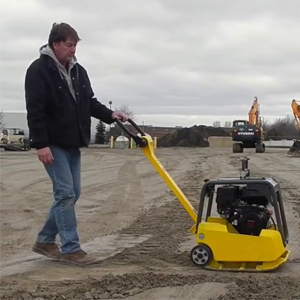
Proper operation of a plate compactor ensures both effective soil compaction and operator safety. Begin with a thorough inspection before starting the engine: check the fuel and oil levels, air filter condition, base plate wear, and fasteners. Tighten any loose bolts, and clear away dirt or debris that could hinder vibration. For rented machines, request the service log to confirm maintenance history.
Once started, allow the engine to idle briefly before engaging vibration mode. Stand behind the machine, gripping both handles firmly. Slowly move forward, guiding the machine in straight passes.
Never attempt to lift or push down on the handles to force deeper compaction — the machine’s centrifugal force and plate weight do the work. On larger surfaces, overlap each pass by at least one-third to avoid weak spots. Always compact from one side to the other, working systematically until the entire area is covered.
Soil type affects operation. For granular soils such as sand or gravel, the compactor’s vibration quickly settles particles. For cohesive soils like clay, more passes at slower forward speeds are required to achieve desired density. Asphalt applications require steady speed and consistent plate contact to prevent surface imperfections.
When the job is complete, disengage vibration before shutting off the engine. Let the machine cool, then clean the underside of the plate and inspect for oil leaks or loose parts. Regular maintenance — oil changes, filter replacements, spark plug inspections, and belt checks — prolongs machine life. A vibratory plate compactor that is properly operated and serviced not only produces superior compaction but also minimizes downtime on site.
What size plate compactor do I need
The size of a plate compactor should match both the type of soil and the size of the job. Plate compactors are usually divided into light, medium, and heavy-duty models, each made for different tasks.
Light compactors, weighing about 100–200 lbs, are good for small jobs like landscaping, narrow trenches, or minor repairs. They have plates 12–18 inches wide and are easy to move in tight spaces. Medium compactors, between 200–400 lbs with plates 18–24 inches wide, are the most flexible.
They balance power and portability, making them useful for driveways, sidewalks, and patio bases. Heavy-duty compactors, weighing 400 lbs or more, are built for big jobs like roads, building foundations, and commercial projects where deeper compaction and faster work are required.
When looking at specifications, the centrifugal force rating is very important. A higher rating means deeper compaction and stronger soil bonding. Heavy machines work better on clay and other sticky soils, while lighter machines are enough for sand, gravel, and other loose materials.
The size of the work site also matters. In cities or small spaces, contractors may choose smaller compactors for easier movement, even if compaction is shallower. On large open areas, a wide plate and strong engine save time by covering more ground in fewer passes.
Ningbo ACE Machinery provides many plate compactors for sale, from light models for landscaping to heavy-duty ground compactors for major construction. With support from ACE’s sales team and engineers, customers can choose the right size for their projects and get the best value.
Can you use a plate compactor in the rain?
Operating a plate compactor in wet conditions requires caution and good judgment. Light rain or damp soil can sometimes improve compaction efficiency, particularly with granular materials, as moisture helps particles bind more tightly. However, excessive water changes soil properties and often compromises compaction quality. Saturated soils can become plastic, pumping under pressure instead of compacting, which risks structural instability and later settlement.
From a safety standpoint, rain increases slip hazards for the operator. Always wear non-slip footwear and gloves to maintain control.
Avoid slopes or uneven ground, where wet conditions may reduce stability and machine control. Operators should also keep an eye on the compactor’s base plate, as mud can stick to the underside, preventing proper vibration transfer. Frequent cleaning during wet use helps maintain compaction effectiveness.
Equipment care is equally important. While most vibratory plate compactors are designed with durable finishes, prolonged exposure to water accelerates wear and corrosion. Ensure the air intake and muffler are shielded from water to avoid mechanical failure. After operation in the rain, clean and dry the machine thoroughly, checking electrical connections and lubricating moving parts.
For contractors working in areas with a lot of rain, choosing a high-quality plate compactor for sale with rust-resistant parts and simple maintenance features helps reduce breakdowns and makes the machine last longer. Still, it is best to do compaction work during dry weather whenever possible to get better results and avoid extra work later.
Summary
Choose a plate compactor matched to soil and job needs — ACE delivers tested, reliable vibratory ground compactors worldwide.
Our can be applied to different fields.

