New Product Development
A construction equipment supplier of construction machinery solutions for 30 years. WhatsApp:+86-18968212829
Language
A construction equipment supplier of construction machinery solutions for 30 years. WhatsApp:+86-18968212829
Technical Details and Advantages of Mini Cement Mixers
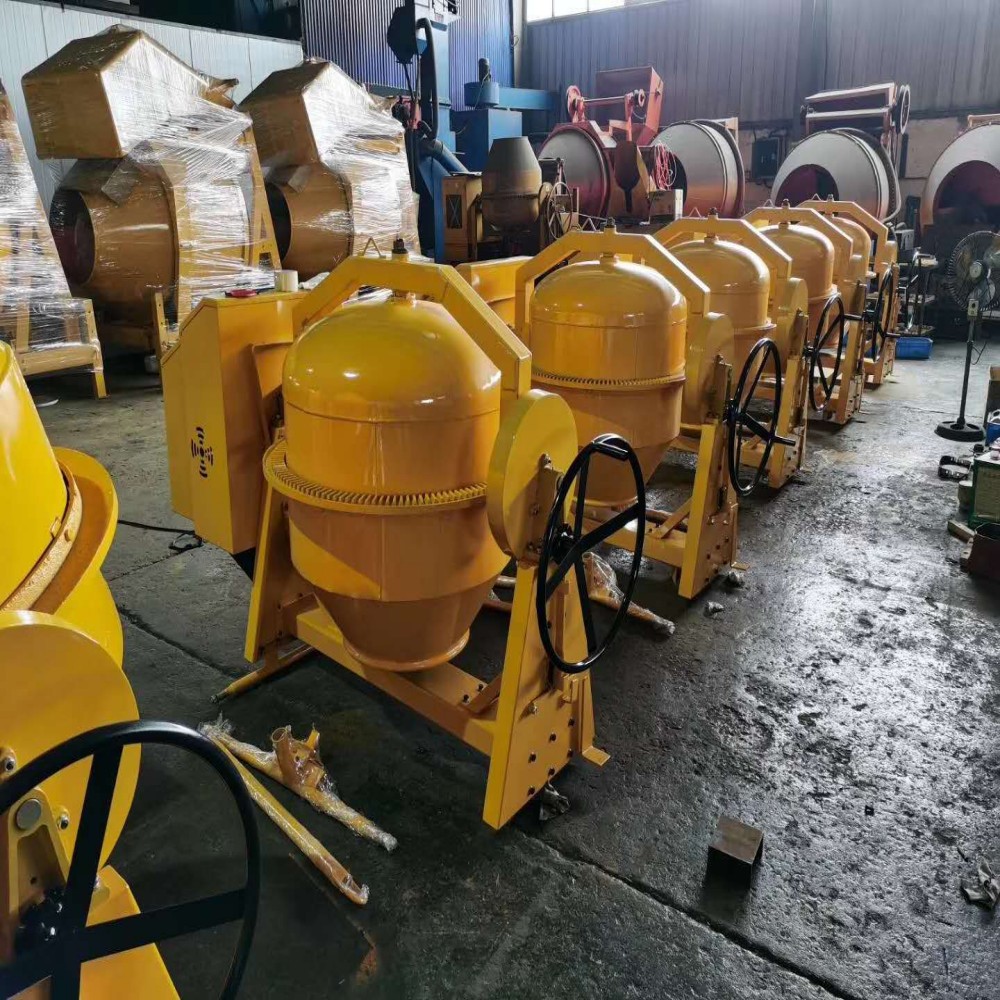
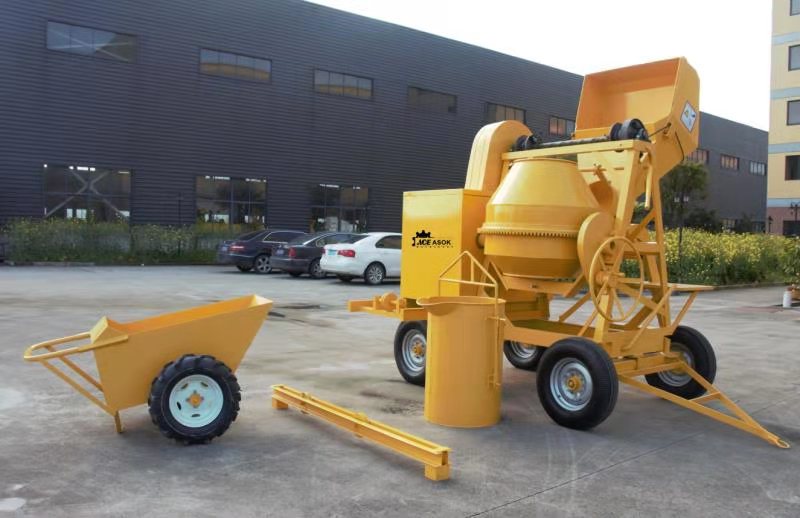
Mini cement mixers are compact, efficient, and essential for both small and large-scale construction projects. These machines provide consistent mixing results and help reduce manual labor, ensuring high-quality concrete every time. Our company’s mini cement mixers feature durable drums, powerful motors, and easy mobility, making them ideal for on-site operations. Designed for reliability and performance, they support various concrete mix ratios and enhance productivity across residential, commercial, and industrial applications.
How to Mix Concrete in a Mixer?
To mix concrete in a mixer, first add half the required water to the drum, followed by gravel, sand, and cement in that order. Start the mixer and slowly add the remaining water until the desired concrete mix consistency is achieved. Allow the concrete mixer to run for 3–5 minutes for a uniform mix. Always check the concrete mix ratio before pouring to ensure quality and strength.
Safety Measures When Using a Cement Mixer
Always wear gloves, goggles, and a dust mask. Keep hands clear of moving parts, ensure stable ground placement, and disconnect power before cleaning.
How to Choose the Ideal Cement Mixer for Your Project?
When selecting a concrete mixer, consider the project’s size, location, and duration. For small-scale jobs or limited spaces, a mini cement mixer or small concrete mixer is ideal due to its portability and low maintenance. Larger projects may require a high-capacity drum and continuous operation. Pay attention to drum volume, motor power, and mixing speed. A reliable supplier or manufacturer should also provide after-sales service, spare parts, and quality guarantees. Whether mixing ready-mix concrete or site-prepared batches, ensure the concrete mix ratio matches your structural requirements. Investing in a quality mixer helps reduce waste, improve efficiency, and produce consistent results every time.
Why Choose a Mini Cement Mixer?
Mini cement mixers are the best choice for contractors and DIY enthusiasts seeking flexibility and affordability. They are easy to transport, operate, and maintain, making them perfect for small projects, such as driveways, patios, or fence posts. Compared with large stationary mixers, mini models consume less fuel and electricity while delivering high-quality concrete mixes. They also allow users to adjust the concrete mix ratio easily, ensuring strength and durability. Manufacturers design mini mixers to handle various materials, including mortar, sand, and gravel, without clogging. Their compact design saves storage space while offering professional-level performance. For those who frequently mix concrete on-site, a mini cement mixer delivers excellent value and convenience.
How Long Will a Mini Concrete Mixer Last?
The lifespan of a mini concrete mixer depends on its build quality, maintenance, and usage frequency. A well-maintained small concrete mixer can last over ten years, even under heavy-duty conditions. Regularly cleaning the drum, checking belts, lubricating bearings, and protecting electrical components from moisture extend its service life. Choose mixers from reputable manufacturers and suppliers that use corrosion-resistant materials and heavy-duty motors. Avoid overloading the drum or exceeding the recommended concrete mix ratio, as this can cause premature wear. Investing in a durable, well-serviced mixer not only saves repair costs but also guarantees reliable performance throughout multiple projects, whether for ready-mix concrete or custom blends.
What Are the Advantages of a Concrete Mixer?
A concrete mixer offers multiple benefits over manual mixing. It provides a faster, more uniform blend, improving the strength and workability of the concrete. Automatic rotation ensures consistent mixing, eliminating lumps or dry spots that can weaken the structure. Concrete mixers save labor costs and minimize material waste by producing batches precisely according to the concrete mix ratio. Additionally, portable and mini models enable on-site preparation, ensuring fresh, ready-mix concrete without delays. Modern mixers also feature noise reduction, low fuel consumption, and easy maintenance, making them suitable for both small and large-scale projects. For contractors, owning a concrete mixer increases job efficiency and ensures long-term cost savings.
How Long Can Concrete Sit in a Mixer?
Concrete should not sit in a mixer for more than 60–90 minutes after mixing begins. The exact time depends on temperature, humidity, and the concrete mix ratio. Prolonged sitting causes the mixture to harden and reduces workability. For ready-mix concrete, always plan batches according to pouring schedules to prevent waste. If mixing on-site with a mini or small concrete mixer, only prepare as much as you can use immediately. Keep the drum rotating slowly to delay setting if slight delays occur. Following these guidelines ensures strong, durable results and prevents premature setting that could damage the mixer or lead to poor-quality concrete surfaces.
What Is the Mix Ratio of Concrete?
The most common concrete mix ratio is 1:2:4—one part cement, two parts sand, and four parts gravel—with water added until the desired consistency is reached. Adjusting this ratio affects the concrete’s strength and workability. For general construction, this standard mix works well, while structural foundations may require richer mixes like 1:1.5:3. Always verify the required strength before mixing. Using a mechanical concrete mixer ensures even distribution of materials and prevents segregation. For ready-mix concrete, manufacturers maintain strict control of the mix ratio, ensuring uniformity and compliance with industry standards. Always mix concrete carefully to achieve optimal durability and surface finish.
Can You Mix Mortar and Concrete Together?
While mortar and concrete share similar ingredients, they serve different purposes. Mixing them together can weaken the final product because mortar lacks the coarse aggregate that gives concrete its strength. Mortar is ideal for bonding bricks and blocks, while concrete is used for structural elements like slabs or foundations. If combined, the mixture may not cure evenly, reducing strength and durability. Instead, use each according to its specific function and ensure the correct concrete mix ratio for your project. Using a small concrete mixer or mini cement mixer allows for separate preparation of mortar and concrete, ensuring consistency and optimal performance for every task.
What Is the Concrete Mix?
The concrete mix refers to the combination of cement, sand, gravel, and water in specific proportions to create a durable building material. The correct mix ensures strength, workability, and durability suitable for the intended application. Depending on requirements, the mix ratio can vary—for example, lean mixes for non-structural work or rich mixes for load-bearing structures. Using a mechanical concrete mixer or ready-mix concrete supplier helps achieve uniform composition and reduces human error. Always follow industry guidelines for mixing times and ratios to maintain consistent quality. A properly mixed batch ensures smooth application, longer lifespan, and excellent resistance to environmental factors.
In summary, the right concrete mixer ensures quality, efficiency, and long-term performance for every construction project.

