A construction equipment supplier of construction machinery solutions for 30 years. WhatsApp:+86-18968212829
Language
A construction equipment supplier of construction machinery solutions for 30 years. WhatsApp:+86-18968212829
Excavator Bucket Teeth Types Explained
Excavator bucket teeth are key parts that decide how well a machine can dig and break through different materials. There are several types, such as standard, rock, chisel, and tiger teeth, each made for special working conditions. In construction, mining, and landscaping, choosing the right bucket teeth improves digging speed, reduces fuel use, and increases tool life.
Ningbo ACE Machinery Co., Ltd. has 29 years of experience making mini excavator bucket teeth that last longer and fit better. The company uses advanced heat treatment and casting to produce wear-resistant parts for Kubota mini excavator buckets and many other brands. With a professional R&D team and strict quality control, ACE Machinery provides strong, reliable bucket systems for global contractors.
Choosing the Right Mini Excavator Bucket for Your Projects
Pick a mini excavator bucket based on soil type, depth, and work size. Small buckets are better for detail work, while larger ones move more material. Always check your excavator’s model and match it with the right bucket and teeth to save fuel, improve power, and get clean digging results.
Usage and Maintenance Guide
Clean your mini excavator bucket teeth often, replace worn parts, and tighten all bolts. Lubricate joints and store the bucket in a dry place to prevent rust. These small steps help extend service life.
Good habits keep your machine working longer and safer.
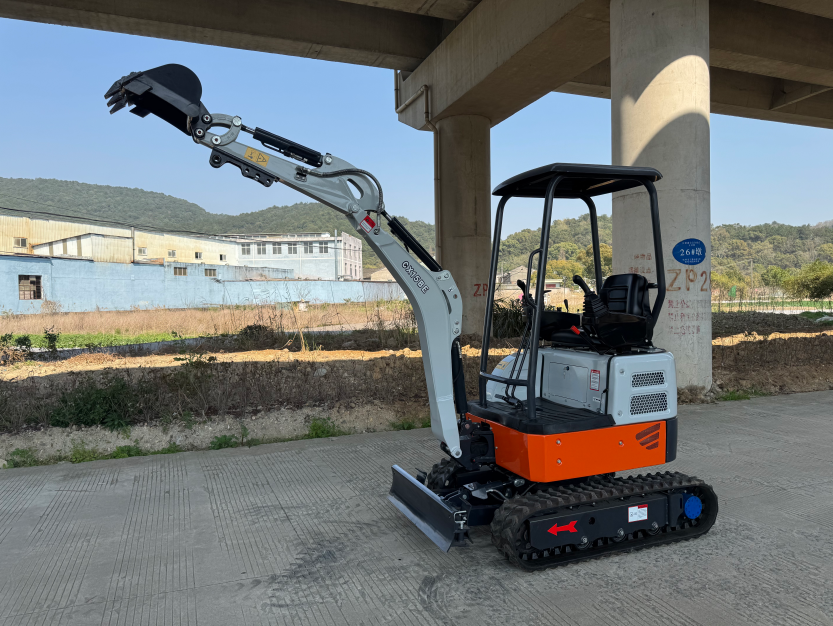
What size bucket for a mini excavator?
The right size bucket depends on your mini excavator model and the job you do. Most mini excavator bucket sizes range from 8 inches to 36 inches wide. Small buckets, like 8–12 inches, are great for narrow trenches. Medium buckets, around 18–24 inches, handle general digging, while large ones move light materials like sand.
Always follow the weight and power limits of your excavator. A bucket that is too big can cause stress on the arm and reduce control. At Ningbo ACE Machinery, experts help you match bucket sizes for Kubota mini excavator buckets and other models, ensuring better fuel efficiency and performance on every site.
Are all mini excavator buckets the same?
No, not all mini excavator buckets are the same. They vary in shape, steel thickness, and tooth design. A standard bucket is used for soft soil, while heavy-duty and rock buckets are built for hard, rough ground. Fittings and pin sizes also differ by brand—especially with Kubota mini excavator buckets.
Ningbo ACE Machinery makes a full range of buckets and mini excavator bucket teeth to fit different machines. Each product is made from high-strength steel and tested for quality. With precise design and consistent materials, ACE ensures every bucket performs reliably no matter the terrain.
How to pick up excavator buckets for beginners?
For new operators, picking up a bucket safely is important. Align the quick coupler or pins with the bucket’s holes, lock them in place, and lift slowly to test the connection. Check that hydraulic lines and locks are secure before working. Avoid sharp movements that can cause imbalance.
For mini excavator buckets like those on Kubota machines, always follow the manufacturer’s guide. Ningbo ACE Machinery also provides support and training to help beginners use attachments safely and with confidence. A proper setup improves efficiency and reduces the risk of damage.
How to identify excavator bucket teeth?
You can identify excavator bucket teeth by their shape, number, and how they fit the adapter. Common types include standard, chisel, twin tiger, and flare teeth. Each design serves a specific use—standard for soft ground, chisel for compact soil, and tiger for hard rock.
Look for part numbers or brand markings on the tooth or adapter to match replacements correctly. Kubota mini excavator buckets often have model codes printed on the teeth. Ningbo ACE Machinery supplies a wide range of replacement mini excavator bucket teeth and adapters that are easy to identify and replace. High-quality materials help reduce wear and extend working time.
How to transport a mini excavator
To transport a mini excavator safely, lower the boom and blade, secure all parts, and place the bucket flat on the trailer bed. Use chains or heavy straps to tie down the machine tightly at several points. Check that the load is balanced and the trailer can handle the weight.
If transporting extra mini excavator buckets, secure them separately. Always follow local transport rules and check tie-downs before moving. At Ningbo ACE Machinery, we recommend inspecting your mini excavator bucket teeth and joints before every trip to prevent damage and ensure safe delivery.
Smart choices and care make your excavator last longer.

