A construction equipment supplier of construction machinery solutions for 30 years. WhatsApp:+86-18968212829
Language
A construction equipment supplier of construction machinery solutions for 30 years. WhatsApp:+86-18968212829
What is an excavator?
An excavator is a strong, hydraulic-powered machine used mainly for digging, lifting, and moving large amounts of material. It has a rotating base (called the house), a long arm with two parts (the boom and the stick), and different attachments like buckets, augers, and breakers. These machines are common on job sites where fast and efficient earthmoving is needed.
Excavators are important in many industries. In the construction industry they are used for digging foundations, clearing sites, trenching, tearing down buildings, and loading materials. In mining, large excavators remove rock and soil and help gather raw materials. Agriculture uses smaller excavators to dig irrigation channels, build fences, and manage soil.
In landscaping and city maintenance, mini excavators are perfect for tight spaces where bigger machines can't go. Utility companiesuse excavators to lay water pipes, sewer systems, and electric lines.
Ningbo ACE Machinery Co., Ltd. has been building excavators for over 29 years. It is a leading Chinese manufacturer known for making reliable, high-performance machines, especially mini excavators. The company has a skilled R&D team, strict quality control, and fast delivery (7 to 30 days).
ACE serves wholesale B2B customers worldwide with certified products, technical help, and support in different languages. Their machines are used in over 15 countries, including Germany, Peru, Saudi Arabia, the USA, and Thailand.
ACE mini excavators are durable, easy to operate, and fuel-efficient. Their compact size makes them ideal for smaller jobs and tight areas. Contractors and distributors choose ACE for its trusted service, fast shipping, and personalized training support—making it a reliable partner for long-term success.
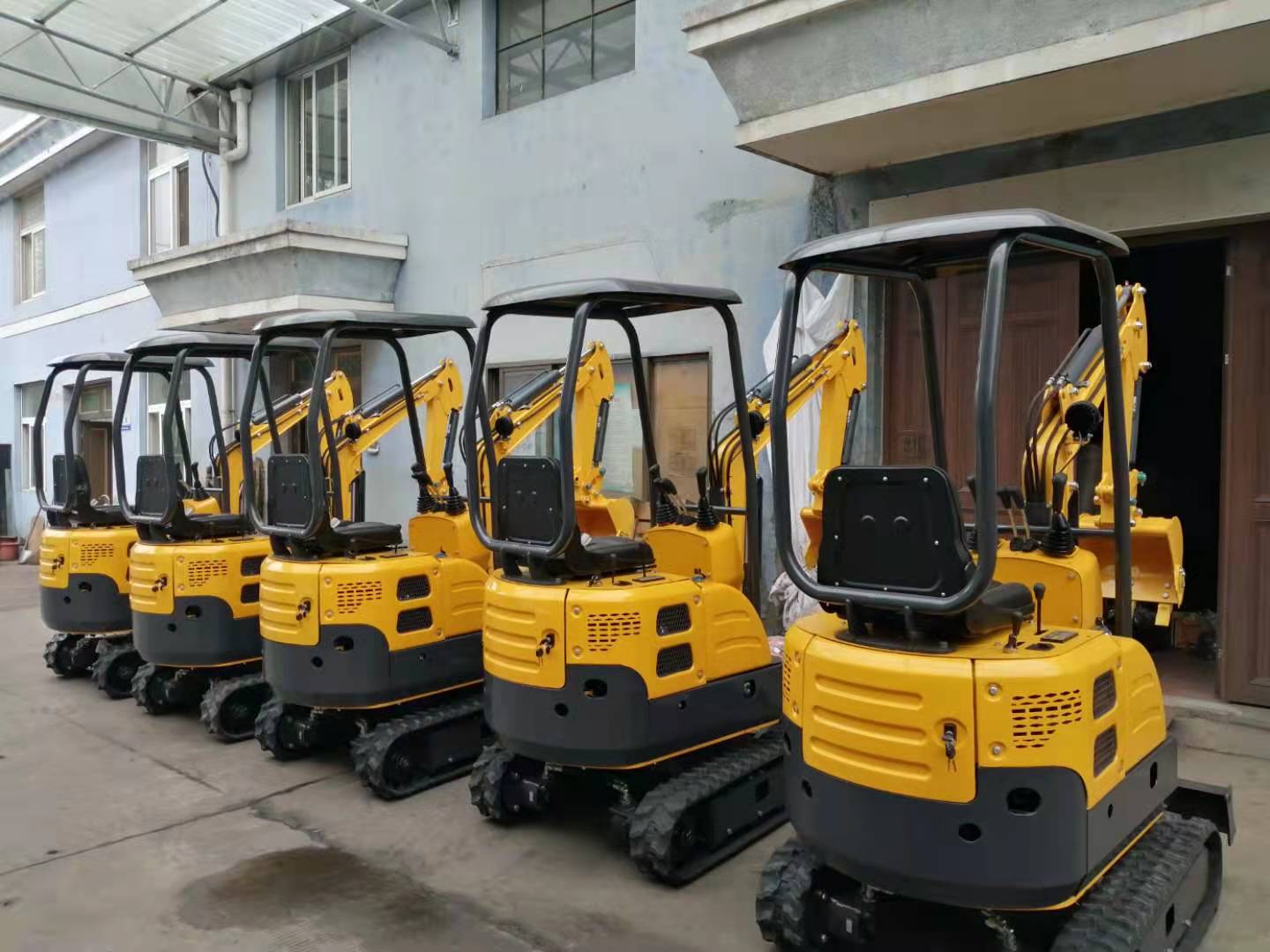
How to operate an excavator?
To operate a mini excavator, sit in the cab and fasten the seatbelt. Start the engine, use joysticks to move the boom, stick, and bucket, and use foot pedals or levers to control the tracks for movement. Operate slowly and smoothly, always checking surroundings before digging or rotating.
Excavator application sites
Excavators are used across diverse application sites, including construction zones, roadwork projects, agricultural lands, urban infrastructure developments, and landscaping projects. They are ideal for foundation digging, trenching, grading, lifting materials, demolition, land clearing, and installing utility lines. Mini excavators specifically excel in residential areas, tight construction sites, and areas where space and ground impact must be minimized.
Understanding different types of excavators
Choosing the right type of excavator is essential to ensure efficiency, productivity, and cost control. Each type of excavator is engineered for specific tasks, and understanding their functions will help buyers make informed decisions.
Mini Excavators (Compact Excavators)
Mini excavators are typically under 6 tons and are ideal for residential construction, landscaping, and small-scale infrastructure projects. Their compact size allows them to operate in confined spaces, such as backyard renovation sites or tight urban alleys. These machines are lightweight, easy to transport, and require less fuel, making them an economical choice for smaller jobs.
ACE Machinery’s mini excavators are optimized for low maintenance and equipped with high-efficiency engines and advanced hydraulics for precise control. Popular SEMrush-style keywords include “best mini excavators for tight spaces,” “compact mini excavator with fast shipping,” and “mini excavator for sale China.”
Crawler Excavators
These traditional track-mounted excavators are used in large-scale construction, mining, and demolition projects. They offer superior traction and stability on rough, uneven, or muddy terrains. Their larger size allows for more power and reach but limits maneuverability in smaller spaces.
Wheeled Excavators
Mounted on rubber wheels instead of tracks, these are best suited for flat, hard surfaces like paved roads or urban settings. They offer better speed and mobility but lack the terrain capability of crawlers.
Long Reach Excavators
With extended arms and booms, these excavators are perfect for dredging operations, deep trench digging, or demolition projects where distance from the structure is required for safety.
Zero Tail Swing Excavators
Designed with a compact counterweight, these models allow full rotation without the rear extending beyond the tracks—ideal for work in congested or restricted areas.
Key factors to consider when choosing a mini excavator
Mini excavators vary in specifications and features. Buyers should evaluate key criteria before purchase to ensure the machine aligns with their project goals and site limitations:
Operating weight:Affects transportability, depth of dig, and stability. Choose according to the site’s surface and task type.
Digging depth and reach: Make sure the boom and stick provide enough depth and horizontal range for your excavation requirements.
Hydraulic system:Machines with advanced hydraulics offer smoother, more precise control and can support multiple attachments.
Attachment compatibility:Look for quick-coupler systems that support buckets, augers, breakers, and grapples.
Cab comfort: Features like ergonomic seats, air conditioning, and intuitive controls enhance operator efficiency.
Maintenance access: Easy access to filters, engine parts, and hydraulic lines reduces downtime and simplifies servicing.
ACE mini excavators are designed with these features in mind, offering high performance, low fuel consumption, and durability. They are available in different configurations to suit contractors, landscapers, and urban builders looking for compact yet powerful solutions.
Benefits of using mini excavators
Mini excavators offer a wide range of benefits, making them one of the fastest-growing categories in the construction equipment industry:
Versatility:With the right attachment, mini excavators can dig, lift, trench, and demolish, reducing the need for multiple machines.
Fuel efficiency:Smaller engines and hydraulic systems consume less fuel without sacrificing functionality.
Low ground impact:Their lightweight design minimizes damage to lawns, sidewalks, and finished landscapes.
Easy transportation:They can be towed using a light-duty trailer, lowering logistics costs.
Regulatory compliance:Mini excavators often meet emissions standards more easily than larger equipment.
Tips for maintaining your excavator
Proper maintenance is key to extending the life of any excavator. ACE Machinery recommends the following practices:
Inspect your machine daily—check hydraulic lines, oil levels, and filters before operation.
Clean the undercarriage after use, especially in muddy or sandy conditions to prevent track wear.
Replace filters and lubricants according to the manufacturer’s schedule.
Use genuine spare parts for optimal compatibility and performance.
Train operators on safe handling and preventive maintenance procedures.
Why choose Ningbo ACE Machinery?
For buyers looking for a dependable mini excavator supplier, Ningbo ACE Machinery offers a combination of experience, technical excellence, and service reliability. All excavators undergo multi-point inspection by a QA-certified team. The company also offers technical training, spare parts availability, and flexible shipping options, including DDP and FOB terms.
Clients such as Faruk from Portugal, Thorsten from Germany, and Moosa from the Maldives rely on ACE not only for quality equipment but also for consistent communication, on-time quotations, and customized solutions tailored to their regional needs. Whether it’s a trial order or a full container, ACE ensures a professional, worry-free experience from start to finish.

