A construction equipment supplier of construction machinery solutions for 30 years. WhatsApp:+86-18968212829
Language
A construction equipment supplier of construction machinery solutions for 30 years. WhatsApp:+86-18968212829
What are the types of concrete vibrators?
Concrete vibrators are essential tools across industries such as construction, road building, and infrastructure development. They ensure that air pockets are removed from freshly poured concrete, improving density, durability, and overall structural integrity.
The main types include internal (needle or poker) vibrators, external form vibrators, surface vibrators, and vibration tables. Internal vibrators are the most common, suitable for foundations, walls, beams, and structural columns. External vibrators are applied to formwork, often used in precast plants to create consistent blocks and panels.
Surface vibrators are efficient for slabs, pavements, and flooring. Vibration tables are typically used in laboratory environments and production facilities to test concrete strength or produce high-quality precast products.
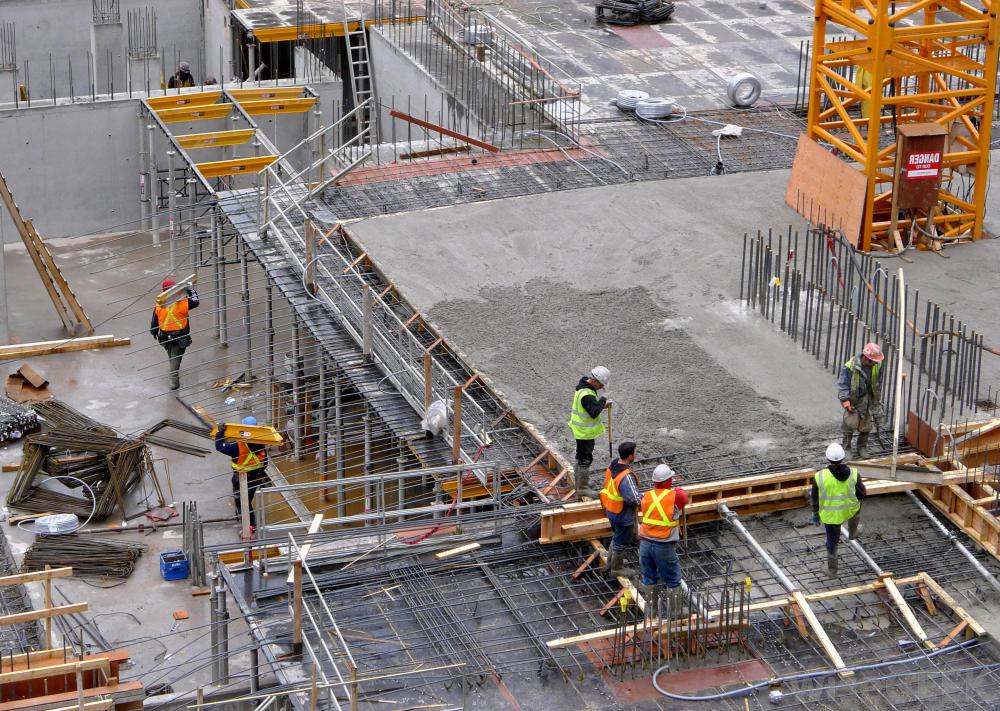
How to Choose the Right Concrete Vibrator
To choose the right concrete vibrator, consider the project scale, concrete pour depth, and the required finish quality. Internal vibrators suit deep foundations, surface vibrators are ideal for slabs, and external vibrators work best for precast forms. Balance power, durability, and ease of use to ensure efficient compaction.
How does a concrete vibrator work?
A concrete vibrator works by producing rapid vibration that removes trapped air and excess water, consolidating the concrete into a denser mass.
Key Applications of Concrete Vibrators
Concrete vibrators play a vital role in achieving uniform compaction across diverse construction tasks. From residential housing foundations to large-scale infrastructure like bridges, dams, and tunnels, proper vibration ensures structural stability. In road construction, vibrators ensure long-lasting pavements and highways with fewer cracks.
For decorative and architectural projects, proper vibration helps create smooth, flawless finishes. Concrete vibrator rental services are popular for short-term projects, offering flexibility without the need for long-term investment. In industrial contexts, concrete vibration motors are used in automated systems for continuous production, such as precast factories where consistency is essential. With versatile models available, contractors can select equipment tailored to their specific needs and budgets.
Factors to Consider Before Buying
Power Source
Concrete vibrators come in electric, pneumatic, and gasoline-powered versions. Electric vibrators are widely used for consistency and convenience on construction sites with reliable power. Gasoline-powered models are best suited for remote locations without access to electricity, making them indispensable for outdoor or rural projects.
Pneumatic systems are preferred in heavy-duty industrial environments where compressed air is readily available, offering safe operation with reduced risk of overheating. Buyers should assess site conditions, availability of power, and mobility requirements before making a choice.
Frequency and Amplitude
The vibration frequency and amplitude directly determine the effectiveness of concrete compaction. High-frequency vibrators are ideal for thin pours and detailed sections, ensuring fine air bubbles are eliminated. Lower frequencies, on the other hand, are better suited for thicker slabs and mass pours, where slower but deeper vibration is necessary. Selecting the correct frequency and amplitude prevents issues such as honeycombing, weak spots, or surface cracking, which could compromise the project’s durability.
Durability and Maintenance
Durability is crucial, especially for frequent professional use. Concrete vibrators are exposed to dust, moisture, and heavy workloads, which can shorten the lifespan of lower-quality equipment. Models built with heat-resistant motors, sealed bearings, and reinforced housings provide longer service life and reduced downtime.
Maintenance should also be straightforward, with easy access to replaceable parts. The availability of spare parts and technical support is an important factor when selecting a supplier. Ningbo ACE Machinery emphasizes robust construction, international certification, and global after-sales support, ensuring contractors can maintain efficiency even in challenging environments.
Ergonomics and Safety
Operator comfort and safety are often overlooked but remain essential. Lightweight designs with ergonomic handles reduce fatigue during prolonged use. Safety features such as thermal overload protection, insulated wiring, and secure vibration shafts help prevent accidents and equipment damage. Considering safety not only protects workers but also ensures project timelines are met without unnecessary delays.
Concrete Vibrator Rental vs. Purchase
Contractors often face the decision of renting or purchasing equipment. Concrete vibrator rental is suitable for occasional projects, reducing upfront costs while still allowing access to reliable machines. Rentals are also beneficial when testing different models before deciding on a purchase.
However, purchasing ensures long-term availability and can be more cost-effective for frequent users. Ownership also eliminates the risk of rental availability shortages during peak construction seasons. Evaluating project duration, budget constraints, and storage capacity helps determine the best option for a contractor’s specific business model.
Advantages of Using a Concrete Vibrator
Enhanced Strength
By removing trapped air and ensuring a dense concrete mix, vibrators significantly increase compressive strength. Stronger concrete directly translates to safer, longer-lasting structures, reducing the risk of failure under load.
Smoother Finish
Vibration results in a more uniform and visually appealing surface. Smooth finishes reduce the need for excessive manual finishing work, saving both labor and time on site. This is especially beneficial in architectural projects where aesthetics matter.
Reduced Risk of Cracks
Proper compaction minimizes shrinkage cracks and improves resistance to weathering and heavy loads. Structures built with well-compacted concrete are more durable, reducing maintenance costs and extending service life.
Time Efficiency
Using vibrators speeds up the construction process by ensuring faster consolidation compared to manual methods. This leads to shorter project timelines, reduced labor costs, and improved overall productivity.
Industry Insights and Market Trends
The global demand for concrete vibrators continues to rise, particularly in developing regions where infrastructure growth is rapid. Urbanization, road expansion, and housing development projects all fuel the need for efficient compaction tools. Compact and portable models are gaining popularity due to ease of handling, while heavy-duty models remain critical for large-scale infrastructure projects. The adoption of concrete vibration motors in automated precast systems has also expanded significantly, improving efficiency and consistency in mass production.
Additionally, environmental considerations are influencing equipment design, with energy-efficient and low-emission models becoming more common. Ningbo ACE Machinery leverages nearly three decades of expertise to align with these trends, offering a wide product range with proven reliability, modern technology, and strong global distribution networks.
Tips for First-Time Buyers
For individuals or companies purchasing a concrete vibrator for the first time, it is important to start with a clear understanding of the project requirements. Assessing the type of structures being built, the depth of pours, and the available power sources will help narrow down the choices.
Buyers should also request product demonstrations, training materials, or videos to better understand how the equipment works. Checking certifications and compliance with international standards provides assurance of quality and safety. Finally, partnering with a trusted supplier like Ningbo ACE Machinery ensures access to reliable equipment, technical training, and ongoing support, reducing the risk of costly mistakes.
Concrete Vibrators in Specialized Applications
Beyond standard building projects, concrete vibrators are also used in specialized applications such as marine construction, where water-resistant and durable concrete is essential. In earthquake-prone regions, proper vibration helps achieve reinforced concrete structures that can withstand seismic activity.
Precast concrete elements such as pipes, panels, and blocks also rely heavily on vibrators for consistency and structural strength. Even in small-scale DIY projects, portable vibrators ensure professional-quality results. This versatility makes concrete vibrators indispensable across a wide range of industries.
Future of Concrete Vibration Technology
Looking ahead, concrete vibration technology is expected to evolve with advancements in automation, digital monitoring, and sustainability. Smart vibrators with built-in sensors may soon provide real-time feedback on compaction quality, allowing contractors to monitor results directly from mobile devices. Energy-efficient motors and battery-powered models are also becoming more common, aligning with global sustainability goals. Manufacturers like Ningbo ACE Machinery are investing in R&D to lead these innovations, ensuring that their products remain at the forefront of construction technology.
Conclusion
Concrete vibrators are indispensable for durable, high-quality, and efficient construction projects worldwide.

